
Sampling & Quality guide
How Do We Review a Cosmetic Carton Glue Seam?
A carton may look square while its side seam starts to lift. If we approve only the front panel, the permanent joint can escape the review.
We review a cosmetic carton glue seam by identifying its bonding surfaces, checking representative finished cartons and agreeing how the joint will be assessed. We keep visible glue, carton shape and bond evidence separate, then record the approved construction and any unresolved concern.
At Finer Pack, we use this approach for the permanent side seam of a folding beauty carton. The tuck flap is a different closure. We would ask the converter to explain the actual adhesive process before choosing a sample or a test.
Which Surfaces Form the Permanent Side Seam?
A drawn glue tab does not explain the finished bonding surface. Print or finish changes can leave the buyer and converter discussing different joints.
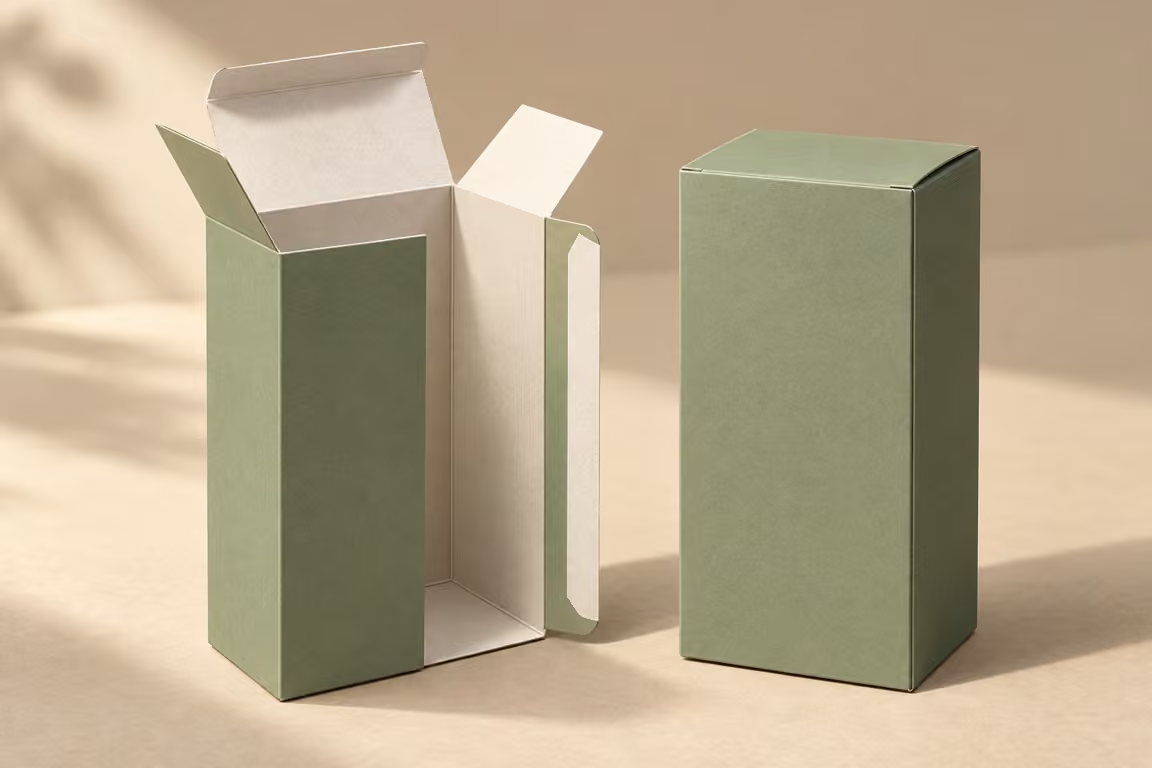
We mark the glue tab and its receiving panel on the approved dieline. We ask which surfaces meet after printing and finishing, which adhesive process is proposed and what the sample represents. We resolve those details before treating a neat-looking overlap as an accepted bond.
We map the joint before discussing glue quantity
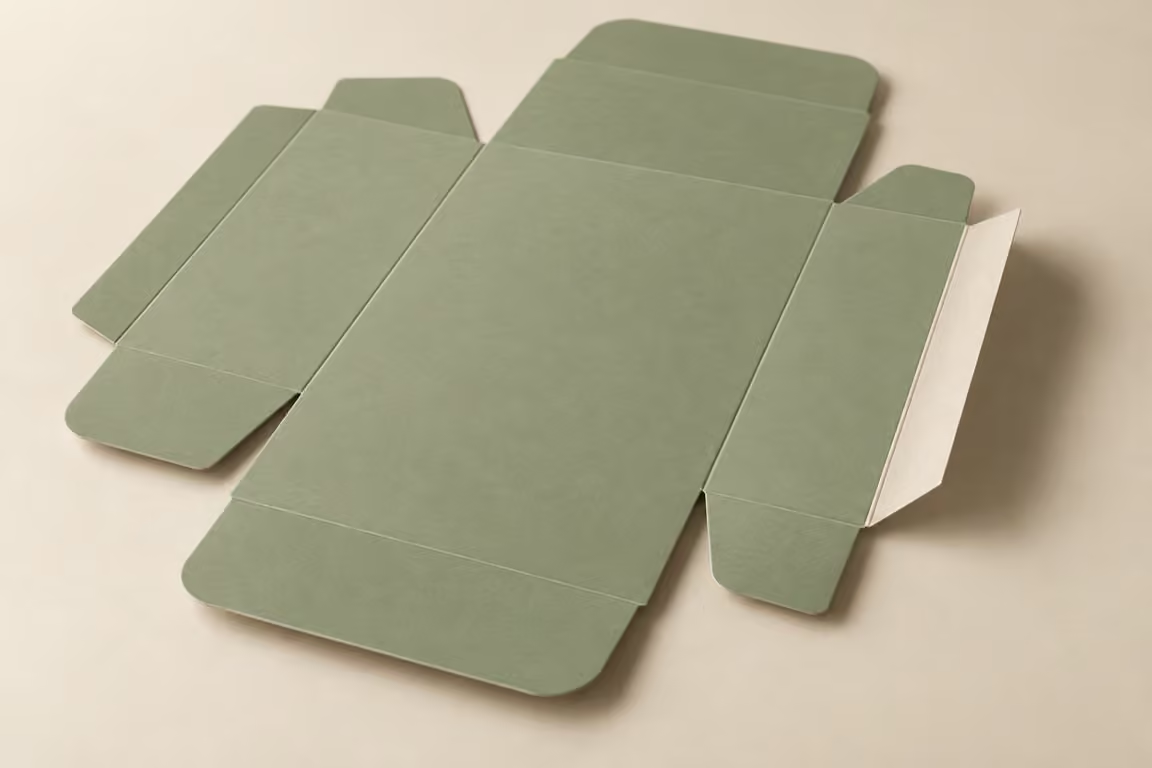
We begin with the structural drawing and a finished carton. We identify the narrow tab that joins the blank into a tube. We then trace where that tab lands on the receiving panel. We photograph the seam from inside and outside, using an unfilled sample if needed. This avoids confusing the permanent joint with a tuck flap that is meant to open. Both may sit near the same edge, but they have different jobs in the finished pack.
We list the board and the surfaces that actually meet at the overlap. We ask whether ink, varnish, film or a paper coating is present in that area. We do not assume a surface is bare because it looks white in a drawing. The converter should confirm the intended bonding area and any finish exclusion. If artwork changes this area, we treat that as a construction question as well as a visual change and request a suitable review.
Baumer hhs describes glue-flap application and monitoring in folding-carton production. That primary reference helps us ask about the proposed process. It does not show that our carton has been made on a particular machine. We ask the supplier to identify what is actually used for this order and what records are available. We do not put an equipment claim in the approval file unless the supplier has confirmed it for the relevant production route.
We make a short joint map that a second person can understand. It names the board, the two contact surfaces, the drawing revision and the proposed adhesive route. We attach a picture of the assembled seam and identify any unanswered point. If a sample is handmade, we say so. Its shape may help us discuss the overlap, while its bond may not represent the production joint. We approve only the decisions that the available sample can reasonably support.
Sources for this section: Baumer hhs: folding-carton gluing1, Finer Pack: sampling decisions4
Related decision: Choose a sample that represents the decision
| Review point | What we compare | Approval record |
|---|---|---|
| Joint location | Tab and receiving panel | Marked drawing revision |
| Contact surface | Board, print and finish | Confirmed material stack |
| Sample route | Handmade or production route | Scope and remaining gap |
What Can We Learn From the Finished Carton?
Extra glue can look reassuring while hiding a messy edge. A clean edge can also conceal a weak joint, so appearance alone gives an incomplete answer.
We examine the finished seam for its position, visible residue, panel alignment and behavior during the intended assembly. We record each observation separately. Any bond assessment follows a method agreed with the responsible supplier or evaluator, rather than an improvised pull with an invented pass limit.
We separate the observations that need different evidence
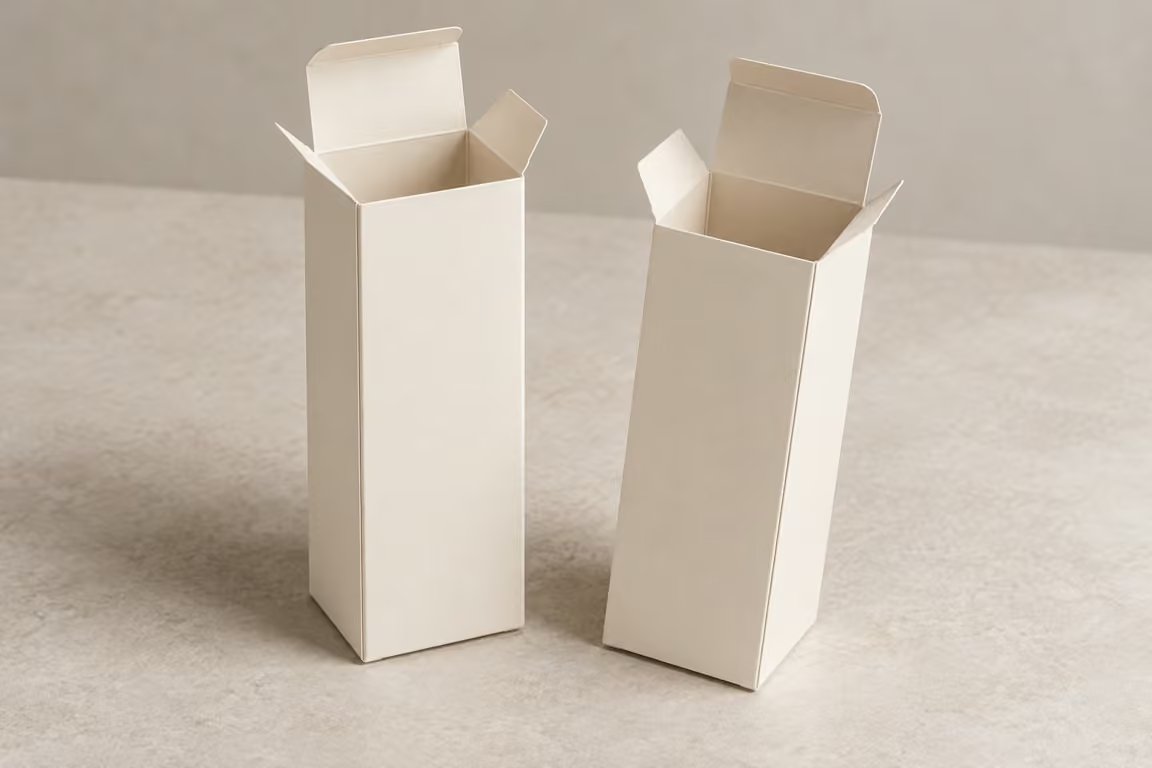
We look along the full height of the joint on the finished carton. We note lifted edges, visible gaps, residue and any area where the overlap changes. We keep the viewing conditions and sample identity in the record. We then compare the carton with the approved reference, rather than judging each delivery from memory. A photograph should show the relevant edge and enough of the carton to make its position clear to someone reviewing it later.
We erect the carton using the intended packing sequence. We observe whether it forms the expected shape and whether the side seam interferes with the container or insert. We record the actual contents and any unusual handling. We do not force a larger container into the box to create a dramatic demonstration. If the pack must be squeezed into shape, we ask the converter to investigate dimensions and assembly before concluding that adhesive quantity alone caused the problem.
In a September 2023 r/sherwinwilliams discussion, people described excess glue and problems with the joining area of paint boxes. We use that as an adjacent-sector reminder to distinguish residue from useful bonding. It is not evidence of a cosmetic-carton defect rate. We do not copy the suggested tape repairs into a beauty approval plan. The useful question is whether our record describes the actual symptom clearly enough for a supplier to investigate.
We agree any destructive examination in advance, including which samples it uses and how results will be described. A torn board surface, a lifted coating and a cleanly separated surface may need different investigation. We record what we see without diagnosing the cause from a photo. If the supplier requests additional conditioning or a specific method, we preserve those details. An informal hand pull is an observation, and we do not rename it a validated bond-strength test.
Sources for this section: Reddit: glue on paint boxes3
Related decision: Keep inspection scope and defect criteria explicit
| Review point | What we compare | Approval record |
|---|---|---|
| Appearance | Residue, gap and lifted edge | Photo with sample identity |
| Assembly | Shape with intended contents | Sequence and interference |
| Bond concern | Agreed examination method | Observation without guessed cause |
What Evidence Should Support Our Seam Approval?
A replacement sample can look better without explaining what changed. If its materials or process are unclear, the original concern may return on the next order.
We link seam approval to the drawing, materials, production route and agreed acceptance record. We identify the sample and the limits of the review. If a relevant surface or process changes, we ask whether the seam needs fresh evidence before carrying the old approval forward.
We keep a traceable reference and a focused change record
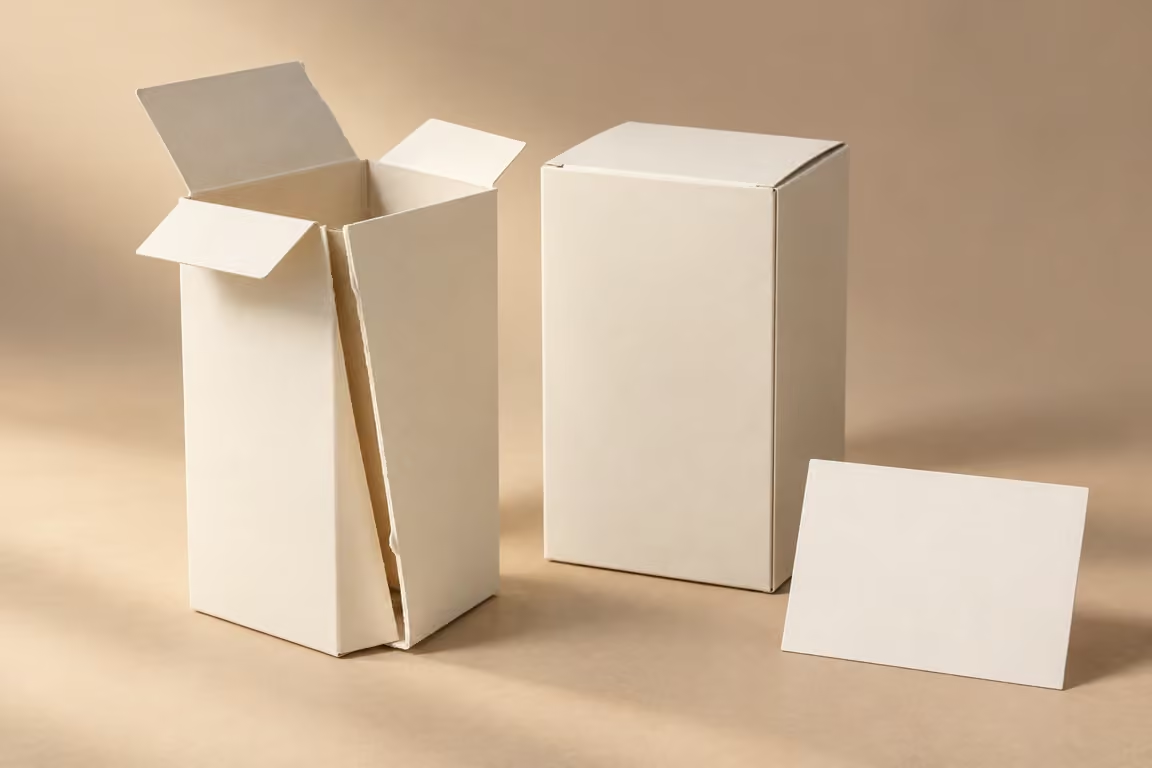
We collect the final drawing, material description and relevant finished samples in one approval record. We name the reviewer and the decision date. We include the specific seam observations that were accepted and any concern still open. We avoid a vague message saying that the whole box is fine. A clear record lets the converter see whether we accepted appearance, assembly, a particular bond assessment or a limited combination of those decisions for this construction.
Henkel discusses preset and other causes in hot-melt case and carton sealing. That source shows why process context matters when investigating a joint. We keep its hot-melt scope explicit. We do not use its advice to set temperatures or drying times for a cold-glued beauty carton. Instead, we ask the adhesive supplier and converter to identify an appropriate investigation for the actual system. The buyer should not turn a general troubleshooting page into an unverified production recipe.
We keep the accepted reference in a condition that supports later comparison, with its identity and approval scope attached. We also retain a record of the issue sample when that is useful and practical. The two should not be confused. If a reviewer opens a permanent seam during examination, we label that sample accordingly. We do not later present a deliberately opened joint as a delivery failure or use a damaged reference to judge a fresh batch.
We ask what changed when the converter offers a correction. A different board finish, overlap, adhesive or assembly route may affect which previous observations still apply. We review the named change with representative samples and record the outcome. We leave shipping protection and cosmetic-container compatibility to their own suitable assessments. A side seam that passes a focused approval does not, by itself, prove that a parcel will arrive undamaged or that the package meets every product requirement.
Sources for this section: Henkel: hot-melt pop-open troubleshooting2, Finer Pack: retained references5
Related decision: Retain an approved packaging reference
| Review point | What we compare | Approval record |
|---|---|---|
| Reference | Accepted sample and issue sample | Separate identity and purpose |
| Change | Surface, overlap or process | Named revision and review |
| Release scope | Appearance, assembly and bond | Accepted points and limits |
Sources and Related Reading
- 1 Baumer hhs: folding-carton gluing. Primary equipment-maker context for glue-flap application and quality assurance; no Finer Pack equipment claim.
- 2 Henkel: hot-melt pop-open troubleshooting. Primary adhesive supplier; hot-melt sealing scope, not a prescription for a cold-glued side seam.
- 3 Reddit: glue on paint boxes. September2023 adjacent-sector anecdotes, read October28 2026; no measured beauty-carton failure rate.
- 4 Finer Pack: sampling decisions. Match the sample route to the decision being approved.
- 5 Finer Pack: retained references. Keep sample identity, scope and later comparisons clear.
Conclusion
We approve the defined joint with representative evidence. We keep appearance, assembly and bond observations separate, and review relevant changes before reusing the approval.