
Sampling & Quality guide
How Do We Keep an Approved Packaging Sample Useful?
An approved carton can become a desk display, lose its label or gather wear. Later, the team may compare production with a reference nobody can identify.
We retain an approved packaging sample with a written scope, version and owner. We protect the reference, use a separate handling copy and record any replacement. We keep physical appearance separate from written dimensions, artwork and functional checks, so one sample does not imply approval of everything.
At Finer Pack, we would agree this record before a beauty carton or gift set moves to production. The questions below concern keeping an approved reference useful, rather than choosing which sample to order.
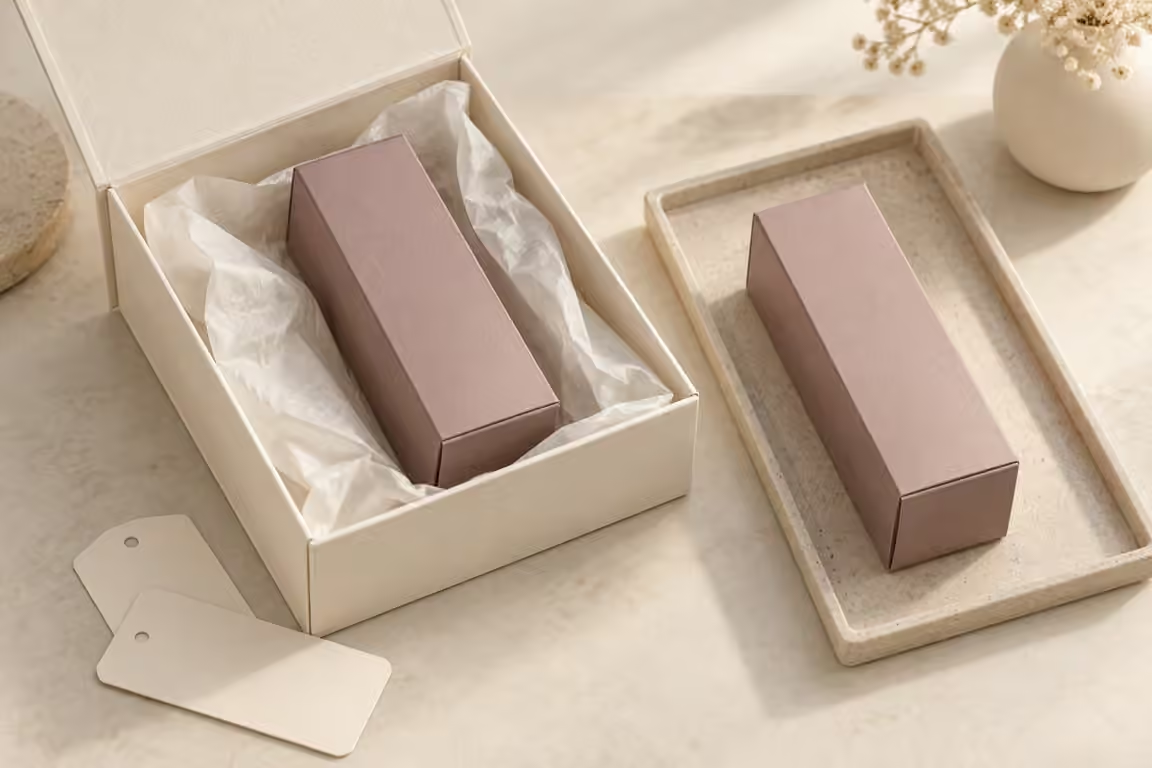
What Did We Actually Approve on This Sample?
A sample can look finished while representing only one decision. Calling it approved without a scope can turn a useful reference into a misleading promise.
We record the sample identity, its construction and the decisions it supports. We name any limits, such as a temporary print method or substitute board. We link the approved artwork and specifications separately, and ask the brand to resolve conflicting references before production.

We describe the reference before we rely on it
We begin with a short identity card that stays with the physical sample. We record the project, product, carton version, sample date and person responsible for the approval. We also name the sample method if it differs from the intended production method. We avoid a bare signature on a loose box as the only record. A colleague who joins later should be able to connect the carton in front of them to the right drawing and the right approval decision without reconstructing an email chain.
We list the features that the sample represents. For a folding carton, those may include the assembled shape, product fit, printed appearance and selected finish. We then mark which features were actually reviewed. A digitally printed structural sample may support an opening or fit discussion while leaving production colour unresolved. We would not let its complete appearance imply that every finish, material and performance feature has been approved. The record should explain what the sample can answer and where another reference or check is needed.
We read a recent r/PackagingDesign discussion about physical proofs. The original poster described differences between screen images and physical packaging, while replies discussed different stages of sampling. We use that as a community prompt to make approval scope explicit. We do not adopt every reply's process or numerical tolerance. The buyer and supplier still need to agree the appropriate reference for their particular carton, printing method and product. A community checklist cannot replace that agreement or prove a sample represents a commercial run.
We put the physical reference beside the written specification during approval. If a dimension on the drawing conflicts with the sample, we identify which one needs revision and obtain a clear decision. We do not leave both active and hope the factory chooses correctly. We keep the approved revision and the unresolved list together. This gives each team a practical starting point: what is fixed, what is provisional and who can close the remaining questions. A sample becomes useful through that shared meaning, not through the approval label alone.
Sources for this section: Reddit: physical packaging proofs3, Finer Pack: sample selection4
Related decision: Choose the sample route for each decision
| Review point | What we record | Next decision |
|---|---|---|
| Sample identity | Version, method and owner | Link to approval |
| Approved scope | Fit, appearance or finish | Name remaining limits |
| Conflicting reference | Drawing versus physical item | Resolve before release |
How Should We Protect the Reference and Its Record?
A reference passed around every desk can become scratched or faded. That can make wear on the sample look like a change in the next delivery.
We keep the master reference protected from unnecessary handling and exposure, with an identified storage place and owner. We use a separate working copy for frequent reviews. We check the reference condition before comparison and record damage instead of silently treating it as the new standard.

We keep the comparison point stable enough to use
We choose a place where the reference can stay identified and protected between reviews. We use suitable clean storage and avoid leaving the carton in a bright display window or a crowded drawer. We keep the sample card with the item and make its location easy to find. The storage method should suit the actual material and finish. We do not invent a universal temperature, humidity limit or storage lifetime for every paper pack. We ask the material or print specialist where a particular reference needs tighter control.
We distinguish the protected master from the copy used for routine handling. The working copy lets colleagues discuss opening, touch or packing without repeatedly wearing the main comparison surfaces. We label both roles and record whether they were produced and approved together. Two similar cartons from different sample rounds are not automatically equivalent references. If only one physical item exists, we agree how to handle it and what evidence to retain before a review that could alter its condition.
We use maker guidance narrowly. X-Rite notes that physical colour samples can lose reliability through light exposure and wear, and that the reference material should suit the comparison. Pantone also explains how handling, fading and storage can change its guide colours. These references support caring for physical colour standards. They do not establish a replacement interval or a validated storage method for our particular carton. We keep any carton-specific requirements tied to the actual materials, approval method and responsible specialist.
We keep a simple condition note with the master. Before a critical comparison, we look for marks, fading, deformation or missing components that could affect the decision. We record an issue and seek a review rather than treating the changed sample as acceptable variation. We also retain photographs for identification and context. We do not use a phone image as a colour standard, since the picture and display introduce their own differences. The digital record helps locate and understand the reference; it does not automatically replace the physical comparison.
Sources for this section: X-Rite: physical sample care1, Pantone: physical guide changes2, Finer Pack: colour consistency5
Related decision: Plan colour comparison across reorders
| Review point | What we record | Next decision |
|---|---|---|
| Master reference | Protected location and owner | Limit handling |
| Working copy | Linked version and purpose | Use for daily review |
| Condition check | Wear or missing components | Review affected scope |
When Should We Replace an Approved Reference?
A new board or artwork revision can leave an old reference on the shelf. Quietly swapping the sample can also erase the reason an earlier batch was accepted.
We review the reference whenever its condition or the approved pack changes. We record what changed, what needs fresh approval and when the new reference takes effect. We retain the earlier version as history, clearly separated from the active production reference.

We make replacement a controlled decision
We start replacement with a specific reason. The reference may have become worn, the artwork may have changed, or a material may no longer match the approved brief. We describe the reason rather than simply labelling a newer-looking carton as current. We ask which decisions the change affects. A revised panel may require a new print reference while leaving some structural records unchanged. A new construction may require a wider review. We match that scope to the actual change instead of repeating every check without purpose.
We compare the proposed replacement with the existing record before retiring anything. We identify the new physical item, drawing revision and artwork version. We describe any allowed difference and seek approval from the person responsible for that feature. We do not let the supplier's latest delivery become the standard merely because it is available. If the master was damaged, we use the retained records and the responsible team's review to agree a replacement. We document any uncertainty that cannot be resolved from the remaining evidence.
We then make the effective version clear at each place where the reference is used. We list the teams or locations holding a copy, including the brand, printer and packing partner when applicable. We tell them which reference is active and what happens to earlier working copies. We keep superseded samples identified as history and away from the active packing area. This matters when a reorder uses an older artwork version by agreement. The correct reference follows the actual job, not simply the newest date in the library.
We finish with a brief replacement entry: reason, scope, approver, effective job and location of the new sample. We retain the earlier approval so a later complaint can be reviewed against the reference that applied at the time. We keep functional evidence separate from appearance approval, and we ask for a suitable review when the changed pack could affect fit or use. A well-kept sample library is not proof of quality by itself. It is a way to make the next comparison specific, repeatable and tied to an accountable decision.
Sources for this section: Finer Pack: colour consistency5
Related decision: Review functional checks after a packaging change
| Review point | What we record | Next decision |
|---|---|---|
| Replacement trigger | Wear or defined pack change | Agree review scope |
| New reference | Version and effective job | Obtain approval |
| Earlier reference | Clearly superseded history | Keep traceable context |
Sources and Related Reading
- 1 X-Rite: physical sample care. Primary maker guidance on wear, exposure and matching reference materials.
- 2 Pantone: physical guide changes. Primary guide-maker guidance; guide intervals are not carton retention limits.
- 3 Reddit: physical packaging proofs. Attributed community discussion about screen and physical proof differences; not a standard.
- 4 Finer Pack: sample selection. Related decision on selecting the appropriate sample route.
- 5 Finer Pack: colour consistency. Related decision on comparison conditions and reorder print control.
Conclusion
We give each sample a defined scope, protect the reference and document replacements. That keeps later reviews tied to an approved decision rather than a familiar-looking box.