
Sampling & Quality guide
How Do We Approve a Window on a Cosmetic Carton?
A clear window can frame the wrong side of a bottle or show a loose insert. A good render may hide the mismatch until the carton is packed.
We approve a cosmetic carton window by defining what it must show, specifying the actual patch and reviewing the assembled pack with its intended contents. We check alignment, attachment, opening and appearance separately. The window does not automatically prove protection or tamper evidence.
At Finer Pack, we would use this review for a secondary folding carton around a sealed cosmetic container. We focus on the relationship between the cut opening, film and product position. Material claims and distribution performance need evidence suited to their own questions.
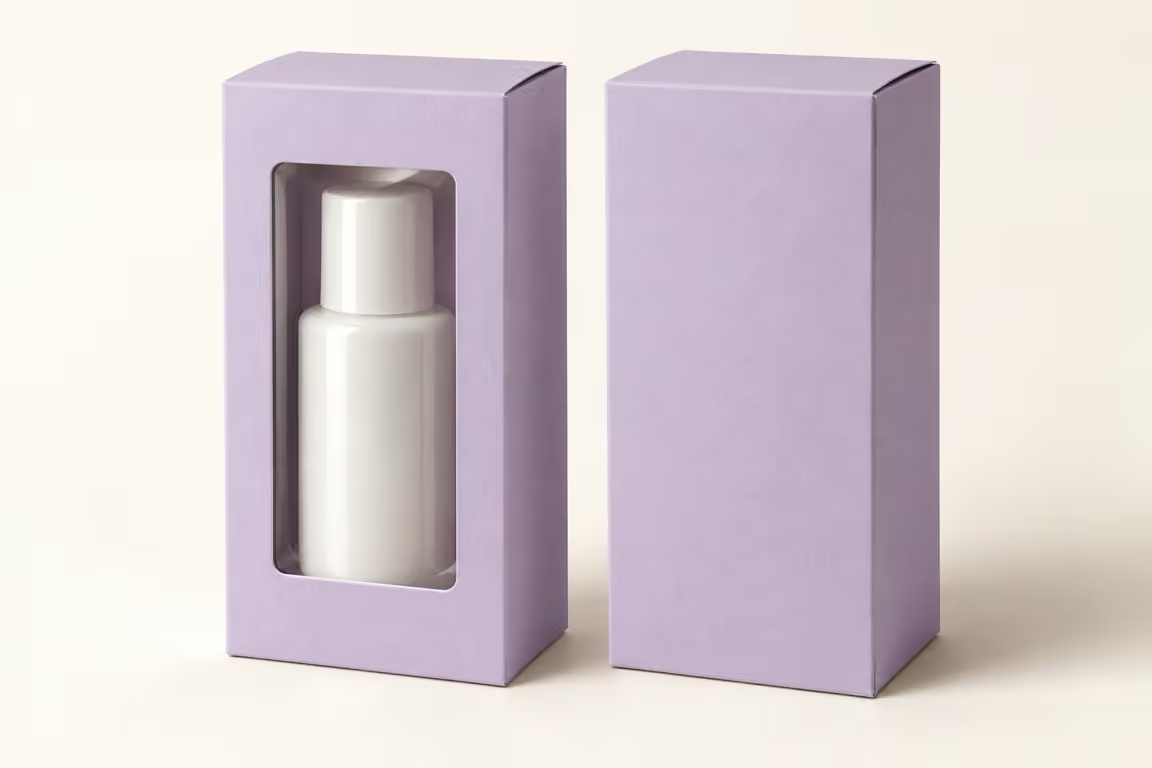
What Must the Window Show on the Packed Product?
A centered window can still reveal a bottle seam or the back label. The cutout position alone does not control how the product sits inside.
We name the product face and information that should be visible. We review the window with the actual container and its support. We check the full arrangement from intended viewing angles before finalizing the cutout and artwork.
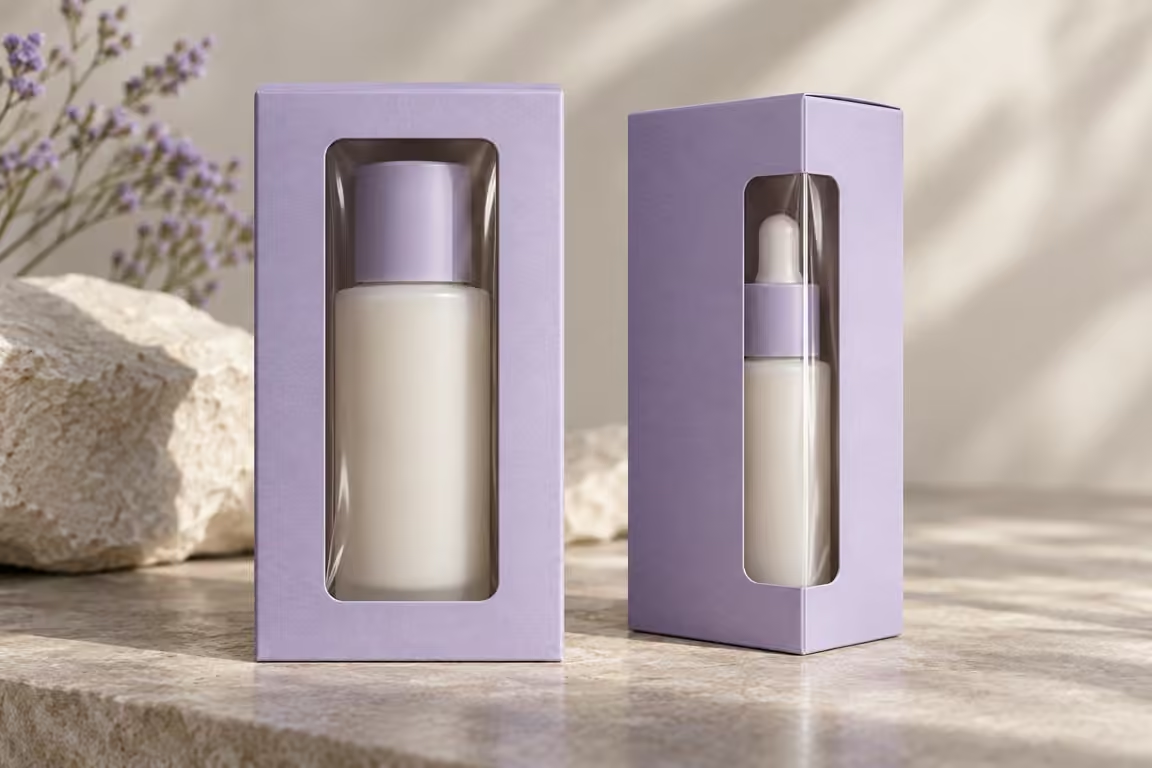
We connect the viewing area to the container position
We begin with the business purpose of the view. The brand may want to reveal a container shape, a shade indicator or the arrangement of a small set. We ask which exact feature helps the buyer understand the product. We mark that feature on a representative container and decide how the carton is presented. A general request for a bigger window does not explain whether the current problem is poor alignment, an unsuitable product position or simply too much decoration around the view.
We place the sealed product in the intended support and assemble the carton. We look at the front and at the angles a shopper may use to inspect it. We record where the product can turn or shift during ordinary handling of the sample. A window can show movement without causing it; the insert or fit may need a separate review. Our paper-insert guide addresses retention and removal. We keep that decision connected to the display goal instead of expecting a film patch to hold the container in place.
We include artwork early enough to see what the cutout removes. We identify information panels and any decoration that needs a stable border. We ask the designer and converter to confirm the drawing rather than placing a cut line on top of a finished graphic at the last moment. We also consider what the window exposes behind the product. A visible insert edge or tissue fold may be acceptable, but the brand should choose that appearance deliberately and record it with the sample.
We compare a modest viewing area with the proposed larger one when the purpose is unclear. Tamarack describes window size and exposure as design considerations. We use that as a reason to review the whole construction, not as proof that a particular shape will perform better. We do not promise more sales because the product is visible. The useful result is a named view that the assembled sample can actually show, with product movement and material questions passed to the people who can evaluate them.
Sources for this section: Tamarack: rigid and flexible window packaging1, Finer Pack: skincare box structure4, Finer Pack: paper insert retention and removal5
Related decision: Choose the complete carton structure
| Decision | What we review | What we record |
|---|---|---|
| Purpose | Feature the buyer should see | Visible zone |
| Position | Container and support together | Alignment and movement |
| Artwork | Cutout and surrounding panels | Approved drawing |
Which Patch Details Must the Supplier Confirm?
Two clear films can look similar in a photograph. Guessing the material can lead to the wrong assumptions about folding, attachment or end-of-use claims.
We ask for the patch material reference, thickness, construction and attachment details. We confirm how it relates to the cut opening and carton folds. We review the proposed assembly without identifying a resin or claiming recyclability from appearance.
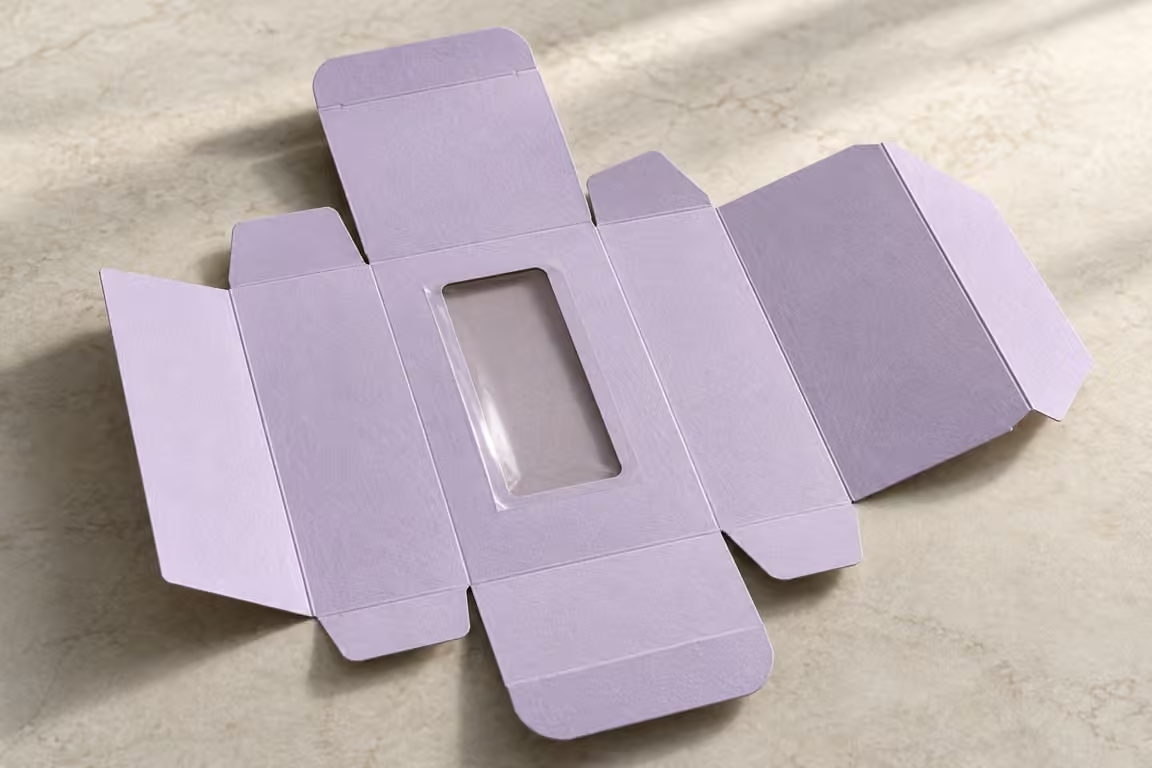
We replace a visual guess with a component record
We ask the converter to identify the actual film proposed for the order. We record its supplier reference, material description and thickness where available, together with the carton drawing revision. We also ask whether the patch is intended to stay flat or cross a fold. A sample photograph cannot answer those questions reliably. If the material is still undecided, we label the proposal as provisional rather than allowing a generic word such as clear plastic to become a purchase specification by accident.
We keep the attachment design visible in the drawing. We ask the converter to show the cut opening, patch outline and intended bonding area on the inside of the carton. We discuss how the patch relates to nearby folds and assembly steps. Holmen explains that creasing changes the folding response of paperboard. We use that narrow principle to ask for a representative assembled sample. We do not prescribe a universal border width, glue setting or crease geometry without the converter's material and equipment context.
We treat flexible and rigid patch descriptions as starting categories. Tamarack explains both and discusses their use in window packaging. The selected material still needs to suit the actual construction and expected exposure. We ask what the supplier has reviewed and what remains untested for this project. We avoid transferring a food-contact statement or a general recycling statement from an equipment article onto a finished cosmetic carton. Those claims need their own applicable evidence and a clearly defined scope.
We also read the r/PackagingDesign thread about identifying clear plastic on model-car packaging. Replies suggest several different materials from the appearance. That disagreement is a useful sourcing clue: a photograph can help explain the feature but does not establish composition. We would request the component specification and trace it to the sample. The discussion is from another product category and cannot establish cosmetic demand or a material preference rate. Its value here is the question it prompts us to ask the supplier before approving the order.
Sources for this section: Tamarack: rigid and flexible window packaging1, Holmen: creasing and folding paperboard2, Reddit r/PackagingDesign: clear plastic identification3
Related decision: Keep material claims within their evidence
| Decision | What we review | What we record |
|---|---|---|
| Identity | Film reference and thickness | Confirmed specification |
| Geometry | Cut, patch and bond outlines | Drawing revision |
| Scope | Proposed use and evidence | Unresolved material claims |
What Must We Check on the Assembled Window Sample?
A flat blank can hide wrinkles, lifting or an awkward removal path. Approving it alone leaves important questions about the finished carton unanswered.
We review a representative assembled carton with its intended sealed product. We inspect the view, patch attachment, opening path and product support under agreed conditions. We identify the sample and keep appearance approval separate from distribution or material-performance claims.
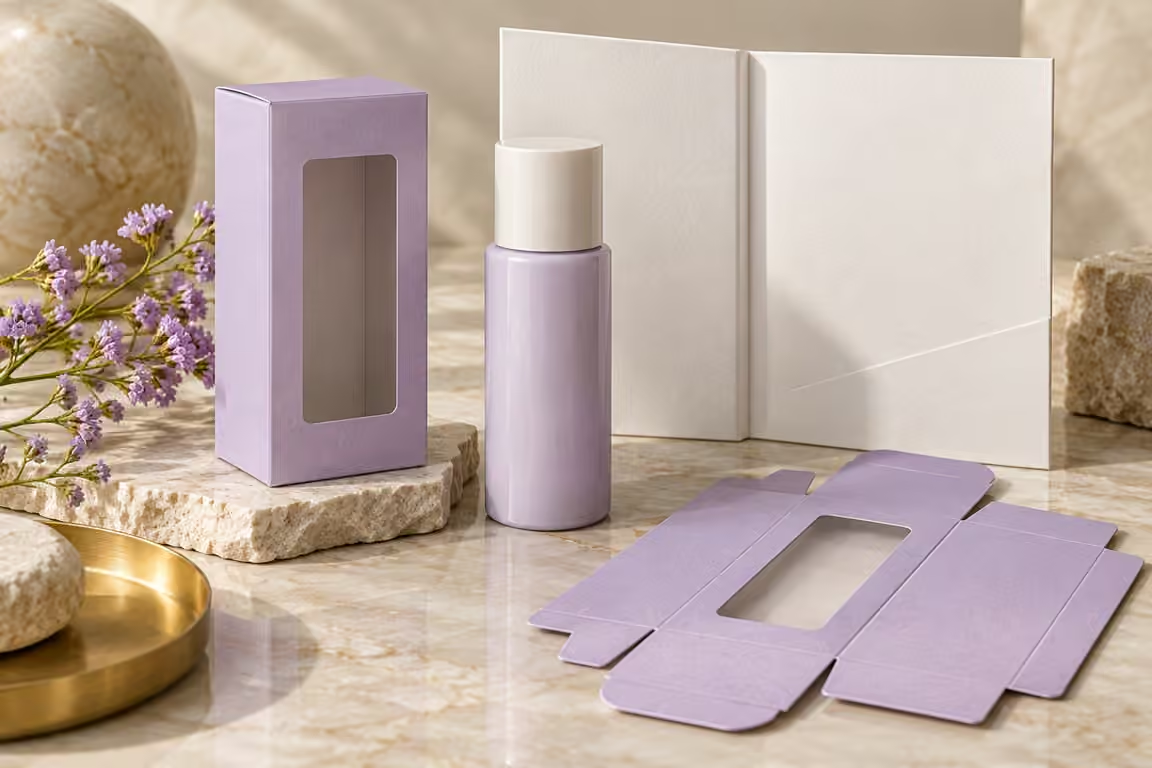
We approve the complete arrangement and record its limits
We identify the sample's material, film, artwork and drawing references before the review. We record any hand assembly or substitute part that differs from the proposed supply. We look at the window from inside and outside where practical. We note a visible wrinkle, loose edge or mark as an observation rather than naming its cause immediately. The supplier can then examine the actual sample and explain whether a proposed correction changes the patch, bonding process or carton construction.
We repeat the intended packing and opening sequence. We check whether the product or insert catches on the patch area and whether retrieval bends the surrounding panel. We also confirm that the chosen support keeps the intended product face visible. A change that improves the view may make loading or removal harder. We record both outcomes so that the brand does not approve a display improvement while quietly accepting a new handling problem. Our insert guide helps keep support and release questions explicit.
We agree how appearance is judged and what additional review the route needs. A sample seen once on a desk cannot establish shipping protection, barrier performance or resistance to every storage condition. If the project relies on a particular performance, the responsible specialist should choose an appropriate evaluation and report its limits. We keep that result separate from the visual sample decision. We also avoid calling a clear patch tamper evident simply because the contents are visible through it.
We retain an identified approved sample and the matching component record. We state who can accept a change to film, board, adhesive arrangement, insert or artwork. When a new version changes the window relationship, we ask which previous checks must be repeated. We would bring the sealed-container dimensions, required visible face, proposed drawing and sample differences into the quotation brief. That gives the converter a clear target and gives the brand a traceable basis for approval, while leaving unproven performance and environmental claims out of the release record.
Sources for this section: Holmen: creasing and folding paperboard2, Finer Pack: paper insert retention and removal5
Related decision: Review support and retrieval with the window
| Decision | What we review | What we record |
|---|---|---|
| Assembly | Patch and carton condition | Observed appearance |
| Use | Packing, opening and removal | Any interference |
| Approval | Sample and component references | Scope and change owner |
Sources and Related Reading
- 1 Tamarack: rigid and flexible window packaging. Equipment-maker guidance on patch types, window size and exposure; promotional sales and environmental claims are not adopted.
- 2 Holmen: creasing and folding paperboard. Primary guidance on board and fold response; no universal window border or converting setting inferred.
- 3 Reddit r/PackagingDesign: clear plastic identification. Model-car packaging question with differing material guesses. Supports requesting a specification, not identifying resin from a photograph.
- 4 Finer Pack: skincare box structure. Choose the complete structure before treating a window as decoration.
- 5 Finer Pack: paper insert retention and removal. Separate product support and retrieval from the window display decision.
Conclusion
We define the view, identify the patch and review the assembled carton. Approval belongs to a named sample with clear limits, not an attractive transparent render.