
Sampling & Quality guide
How Do We Review Cracks on Dark Cosmetic Carton Folds?
A dark carton can look smooth while flat, then show a pale line when folded. Guessing at the cause can send the next sample in the wrong direction.
We review cosmetic carton crease cracking by recording the damaged fold, identifying when it appears and comparing controlled samples. We ask the converter to review the board, grain, print, finish and crease together. We approve the assembled result against agreed appearance and functional checks.
At Finer Pack, we would use this review for a beauty brand comparing dark printed folding cartons. We focus on evidence a buyer can collect and questions a converter can investigate. We do not prescribe a universal tooling setting or call every pale mark a board failure.
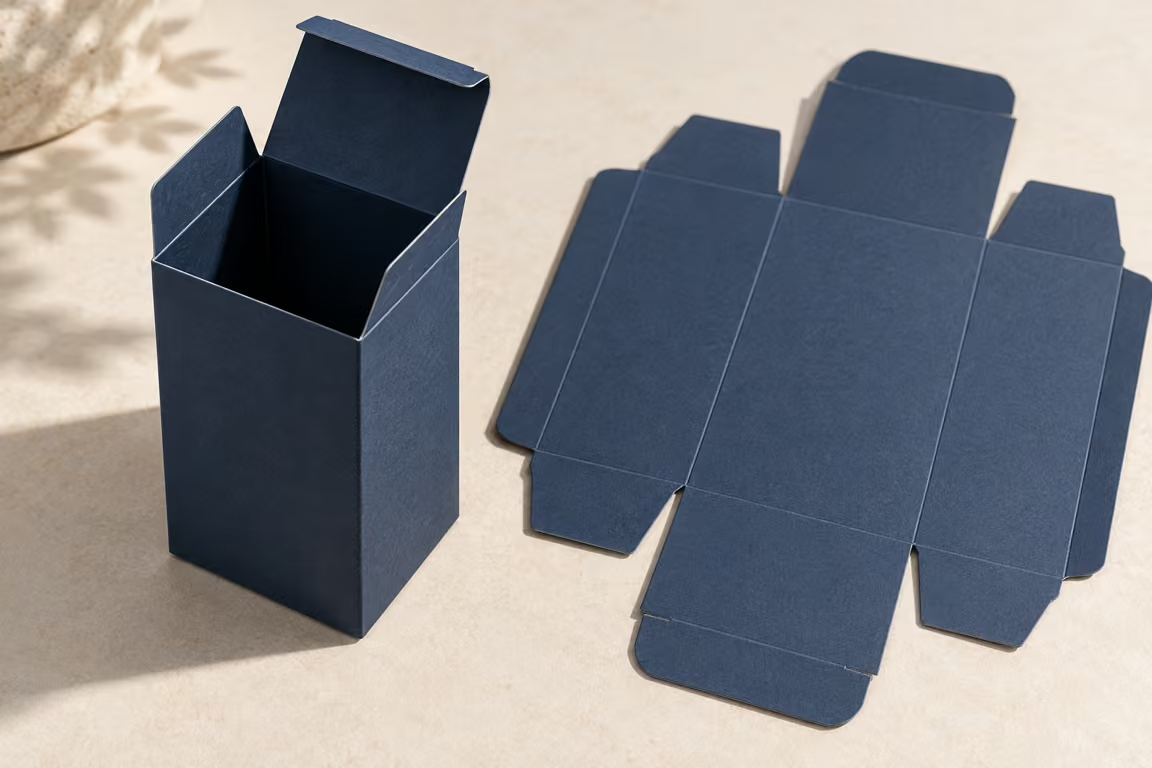
What Does the Mark on the Fold Actually Show?
A white line and a split can look similar in a phone photo. Treating them as the same defect makes a useful investigation harder.
We record the exact fold and inspect the mark before naming its cause. We distinguish a surface rub, a pale line and visible splitting. We keep samples from before and after folding so the converter can compare what changed.
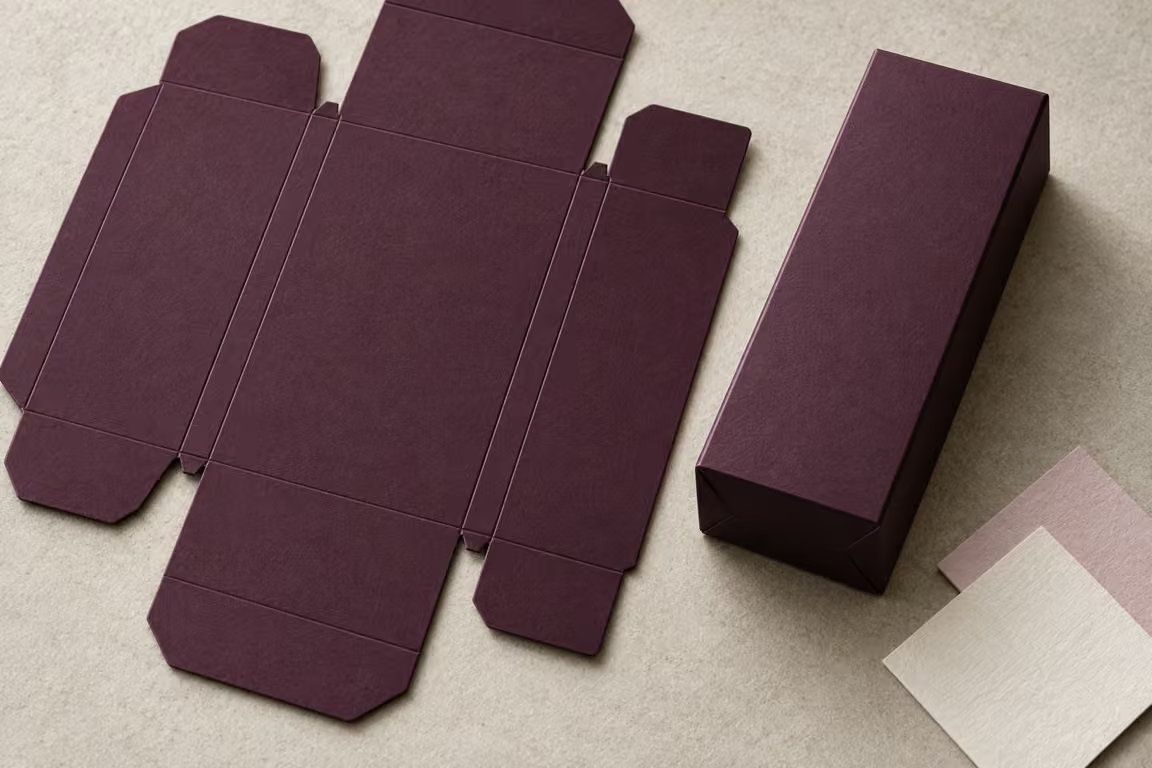
We describe the observation before choosing a repair
We begin with a simple map of the carton. We name the affected panel, score line and side of the fold. We note whether the carton arrived flat or assembled and when the mark was first seen. We keep a flat sample where possible. A photograph should show both the whole carton and the local mark. We use the same lighting and scale for comparison, rather than making one sample look worse with a harsher close-up.
We separate marks along a crease from wear across a panel. A surface scuff may come from rubbing during handling. A fold line may reveal a change in the printed surface or the board beneath it. The location helps frame the question but does not prove which layer failed. We ask the converter to inspect the actual sample if the photo cannot show that distinction. We avoid writing a material rejection based only on a bright line in one image.
We also record whether all folds behave the same way. One damaged corner, several parallel folds and every fold are different observations. We note the folding sequence and whether repeated opening changes the mark. Holmen explains that creasing and folding depend on the paperboard and the converting conditions. That is a reason to review the system together. It is not a reason for a buyer to change pressure or moisture without the responsible production team.
We use community discussions to sharpen questions, not to settle causes. In a r/PackagingDesign thread about kraft bakery boxes, participants discussed a photographed crease and possible manufacturing explanations. That is a different product and material context from a cosmetic carton. We would take away the need for clear photographs and physical samples. We would not repeat a suggested cause as a finding for our own box, or treat the replies as evidence of a common failure rate.
Sources for this section: Holmen: paperboard creasing and folding1, Reddit r/PackagingDesign: kraft paperboard bakery boxes3
Related decision: Separate crease marks from surface scuffing
| Check | What we record | Next decision |
|---|---|---|
| Location | Panel and fold reference | Inspect the same area |
| Timing | Flat, folded or handled | Find first visible stage |
| Appearance | Rub, pale line or split | Ask which layer changed |
Which Samples Help Us Compare the Possible Causes?
Changing the board, finish and folding method at once may hide the reason for improvement. The next order then has no clear basis to repeat.
We compare samples with a known material and process history. We ask the converter to vary one useful factor at a time and record the difference. We keep unprinted, printed and finished comparisons where practical, without treating them as equivalent approval samples.
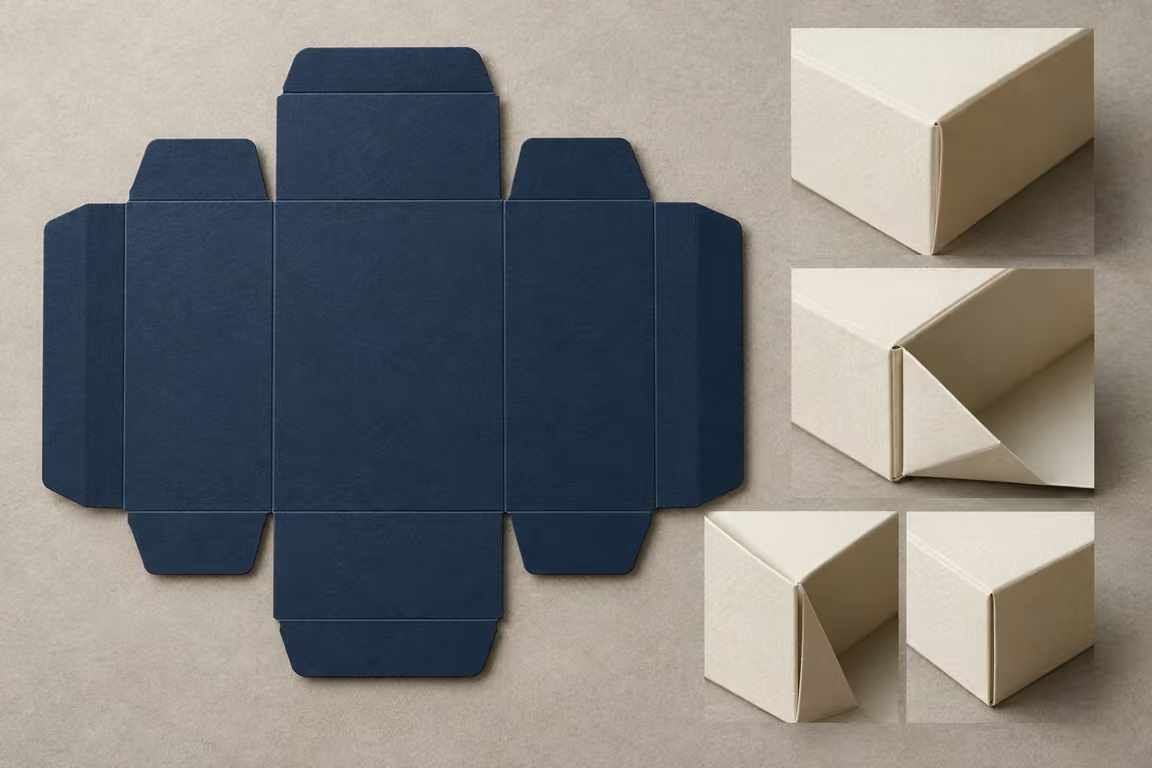
We keep the comparison traceable
We list the board grade, thickness, grain direction, print coverage and finishing layers used on the affected carton. We ask for the converter's drawing and crease references. We also record the material lot where that information is available. Missing information stays marked as missing. A supplier can then propose a focused trial. We do not assume that a heavier board, a deeper crease or an added film will automatically solve the observed problem.
We would ask whether an unprinted comparison can help separate the board and crease response from the surface appearance. Where the process allows, a printed sample before the final finish may add another comparison. These are investigation samples. They are not substitutes for the finished carton that the customer will see. We keep the material and process differences visible in the review record, especially if a comparison uses another board lot or a different sample-making method.
We ask the converter to choose trial settings suitable for its equipment and the specific board. The buyer's job is to define the appearance concern and the intended use, then request a clear account of what changed. Holmen's technical information also addresses handling and storage conditions. We would check those against the actual material instructions. We do not add water, apply heat or invent a conditioning period as an informal repair at the packing table.
We compare the trial after the same relevant folding and packing steps. If a trial improves the fold but makes the carton harder to close, we record both outcomes. If the artwork changes, we check whether the new appearance simply makes the line less visible. That may be an acceptable design choice, but it is different from resolving a physical split. We keep appearance, closure and product-fit decisions separate so approval states exactly what the revised sample demonstrates.
Sources for this section: Holmen: paperboard creasing and folding1, Holmen Iggesund: general technical information2, Finer Pack: paperboard selection4
Related decision: Build the material selection brief
| Check | What we record | Next decision |
|---|---|---|
| Material record | Grade, thickness and grain | Identify comparable samples |
| Surface comparison | Print and finish differences | Select a focused trial |
| Trial outcome | Fold, closure and fit | Review all affected functions |
How Do We Agree a Useful Fold Acceptance Record?
A note saying the fold looks fine leaves room for disagreement. A later delivery may be judged under different light or after different handling.
We agree the viewing conditions, carton state and defect description before release. We retain an identified assembled sample and record any limits. If a change affects closure or protection, we arrange the relevant functional review separately from the appearance decision.
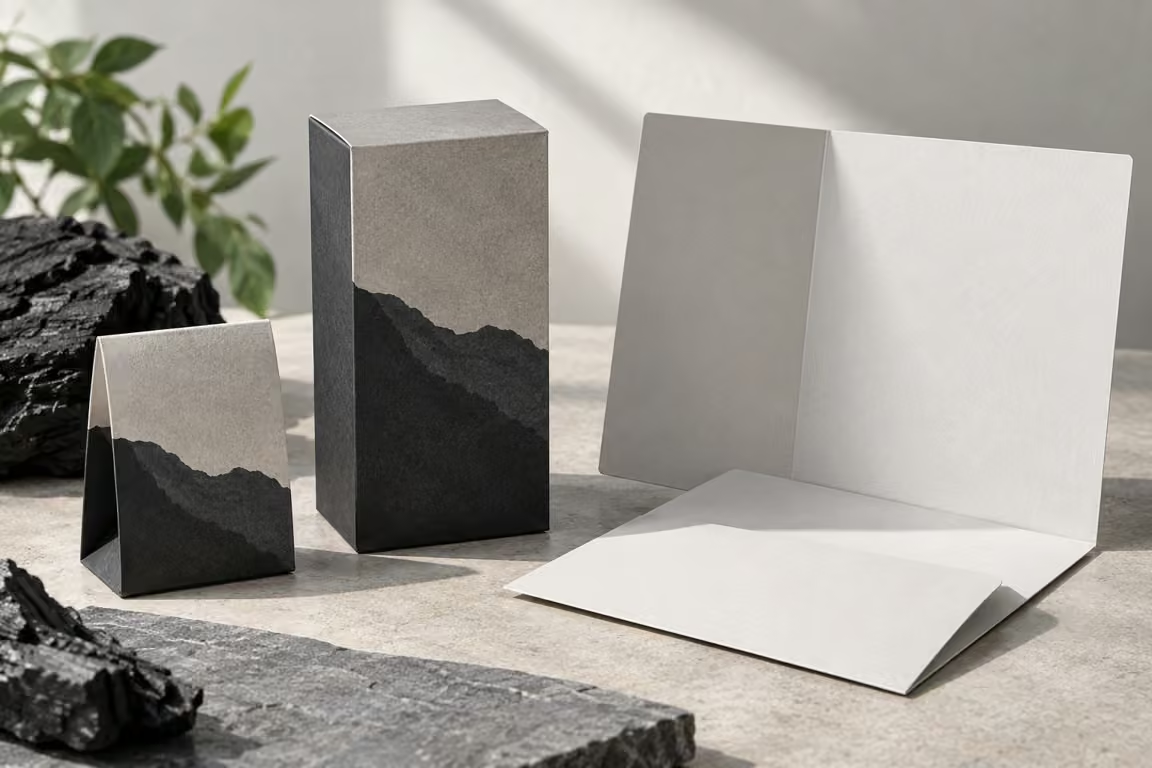
We make approval specific enough to repeat
We name the condition in which the carton is reviewed. That may be a newly assembled retail carton or a carton after the agreed packing steps. We identify the critical folds and explain which marks are unacceptable for that project. We agree the light, viewing distance and comparison method with the supplier. We do not introduce a universal cosmetic defect limit. Different artwork, materials and uses can require different decisions, and the people approving the order need the same reference.
We keep the agreed sample with its drawing, artwork and material references. We label any differences between that sample and the planned production route. A handmade blank can answer an early fit question but may not reproduce production creasing or finishing. We would ask for a representative printed and assembled sample when the decision concerns a finished dark fold. Our sampling guide explains why the sample type must match the question being approved.
We write down what a later change requires. A different board, finish or crease setup may affect the approved result. We ask the converter which previous checks need repeating and document the answer. We also keep the old and new samples identifiable during comparison. We avoid silently updating the approval folder while the purchase order still points to an earlier version. A clear revision record lets the supplier and buyer trace the same physical basis.
We close the review with a specific instruction: accept the named revision, return it for another trial or hold the order pending an unresolved question. We record who made the decision and what remains outside it. An attractive fold does not establish shipping protection, regulatory compliance or a guaranteed rejection rate. We would bring the drawing, product dimensions, intended finish and marked samples to a folding-carton brief so the next conversation starts with evidence rather than a general request for better quality.
Sources for this section: Holmen Iggesund: general technical information2, Finer Pack: pre-production samples5
Related decision: Choose a sample that answers the approval question
| Check | What we record | Next decision |
|---|---|---|
| Review scope | State, folds and viewing conditions | Agree appearance limit |
| Approved basis | Named physical sample and revision | Retain a shared reference |
| Changed design | Affected appearance and functions | Repeat relevant checks |
Sources and Related Reading
- 1 Holmen: paperboard creasing and folding. Primary converting guidance; no universal setting follows from this guide.
- 2 Holmen Iggesund: general technical information. Primary handling guidance for protecting paperboard condition; follow grade-specific instructions.
- 3 Reddit r/PackagingDesign: kraft paperboard bakery boxes. A cross-category discussion about a photographed crease. Community diagnosis is not a confirmed cause.
- 4 Finer Pack: paperboard selection. Related material-selection decision.
- 5 Finer Pack: pre-production samples. Related sample scope and approval boundaries.
Conclusion
We record the fold, compare controlled samples and approve the assembled carton. A clear acceptance record is more useful than guessing from one photograph.