
Sampling & Quality guide
How Do We Review Odor in an Empty Cosmetic Gift Box?
A gift box can look ready while carrying an unexpected smell. Guessing that it will disappear can leave the brand with an unresolved acceptance problem.
We hold a cosmetic gift box with an unexpected odor for review, record the sample history and compare its components under an agreed method. We ask qualified reviewers to choose any needed assessment. Odor observations alone do not identify a chemical source or establish product safety.
At Finer Pack, we would use this workflow to frame a buyer and supplier discussion about empty secondary packaging. We focus on observation, sample identity and release responsibility. We do not turn a consumer complaint into a diagnosis or recommend masking an unresolved smell with fragrance.
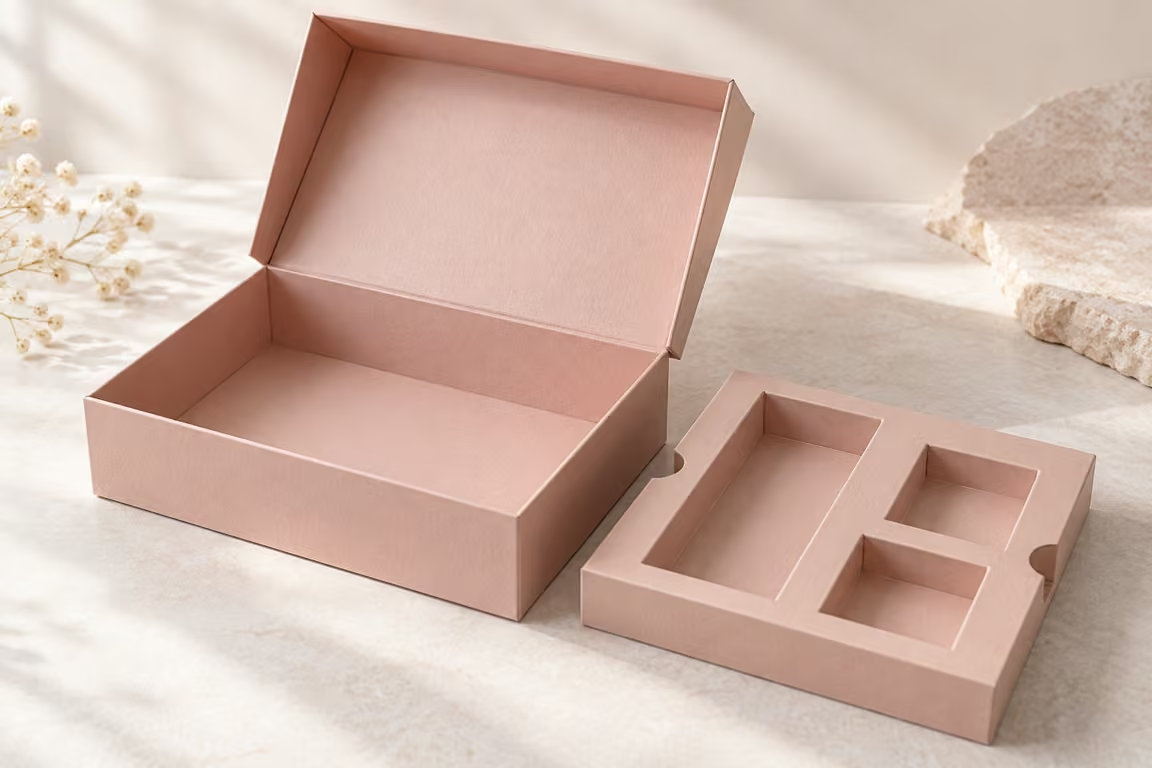
What Should We Record Before Naming the Odor Source?
Calling every unusual smell a glue problem can misdirect the supplier. The box, tissue, stored product and transport history may not have been separated.
We record what was noticed, which sample was involved and how it was stored or opened. We keep suspected causes separate from observations. We isolate the affected stock and ask the responsible team how to handle and assess it safely.
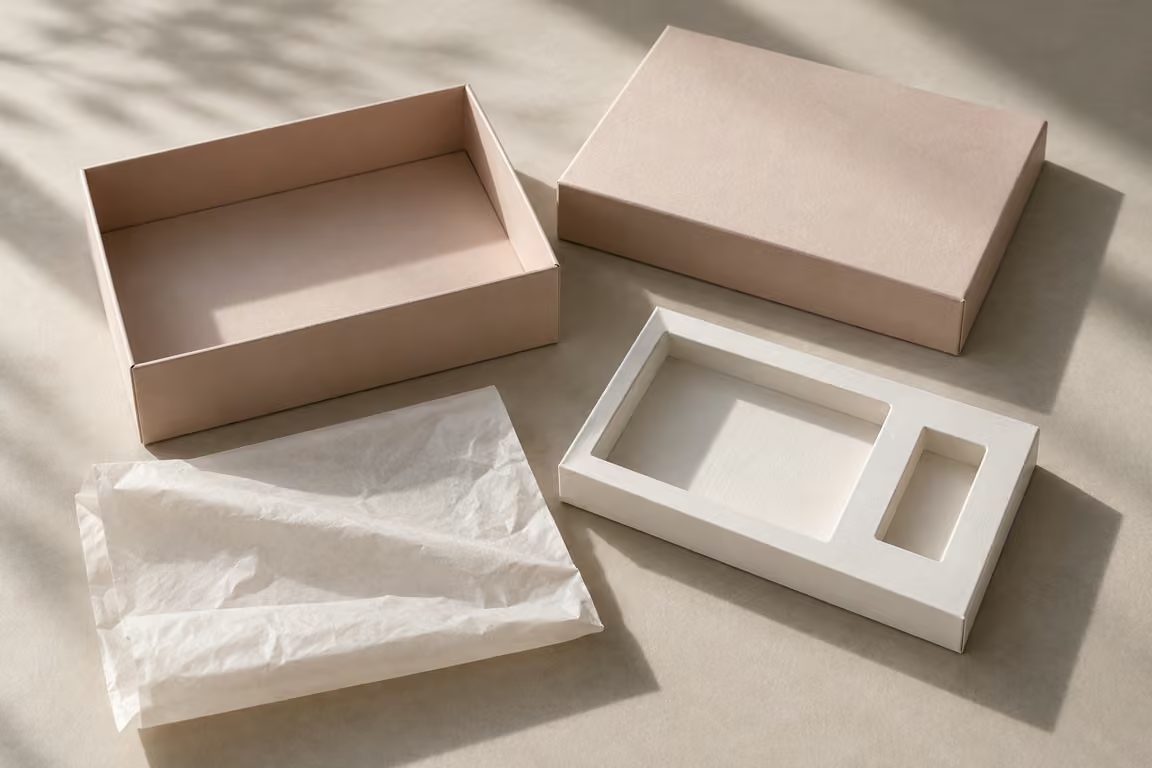
We preserve the sample history and the uncertainty
We start with the pack identity, lot reference, receipt date and the stage at which the concern appeared. We note whether the box was empty, held a product or had been stored inside another outer carton. We record which components were present, including tissue, insert, closure and any separate bag. These details help another person understand what was actually observed. We avoid writing a cause into the complaint title before the sample history has been reviewed.
We describe the observation in ordinary terms without turning the words into chemical identification. We record whether it was noticed on opening the outer carton, opening the gift box or handling a particular component. We do not ask staff to deliberately inhale an unknown substance or keep repeating an uncomfortable exposure. If someone reports irritation or another immediate concern, we stop informal evaluation and refer handling decisions to the responsible safety team. A packaging acceptance check is not a medical or chemical diagnosis.
We retain the affected sample and, where available, a comparable unexposed reference. We keep their storage conditions and opening history identifiable. We ask the supplier which materials and process records correspond to the affected lot. Holmen's discussion of paperboard and migration considers material and converting factors, which supports asking about more than one source. Its food-contact context does not provide a cosmetic safety clearance. We would ask a qualified reviewer to decide which questions apply to the intended pack.
We also keep consumer language in its proper place. In a r/FabFitFun discussion, a subscriber complained about packaging and an unpleasant smell, while replies offered differing explanations. We use that beauty-related thread as a reminder that presentation includes more than the visible print. We do not attribute the reported smell to adhesive, the product or any named material. The discussion cannot tell us how often the issue occurs or what is responsible in a different box.
Sources for this section: Holmen: food contact safety and migration in paperboard2, Reddit r/FabFitFun: packaging and smell concern3
Related decision: Keep a clear receipt and condition record
| Check | What we record | Next decision |
|---|---|---|
| Identity | Lot, components and receipt | Locate affected stock |
| Observation | When and where noticed | Avoid premature diagnosis |
| Handling | Sample history and concern | Choose responsible review |
How Do We Make Component Comparisons Meaningful?
One open sample and one sealed sample may smell different for several reasons. Without a common method, a comparison can create confidence without a clear basis.
We agree the comparison method with the supplier or qualified assessor before drawing conclusions. We keep component identity, storage and opening conditions traceable. We use a suitable assessment for the question instead of treating an informal check as a standard test.
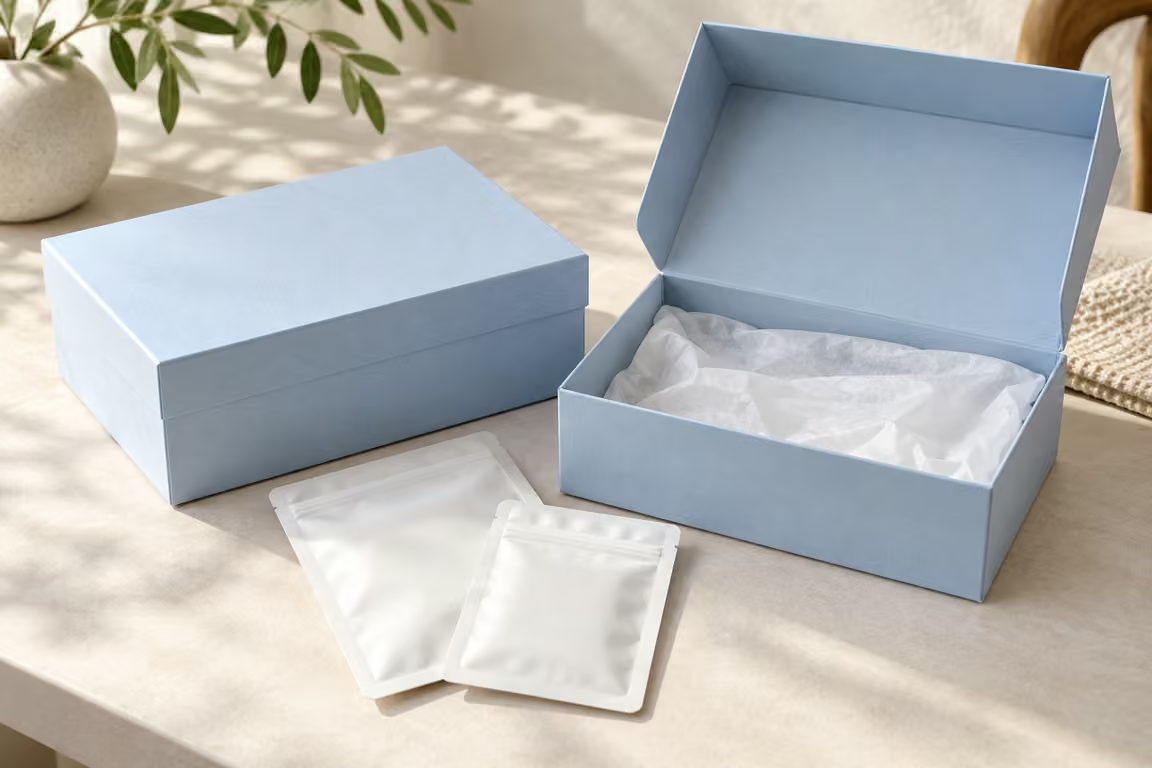
We define what the comparison can answer
We separate the questions before selecting a method. One question is whether the concern appears associated with a box, insert or tissue. Another is whether it affects the intended consumer experience. A further question may concern compatibility with the actual cosmetic product. Those questions can require different samples and expertise. We ask who is qualified to assess each one and what evidence that person needs. We do not expect an attractive empty-box sample to answer all three.
We prepare a component list that links the lid, base, wrap, insert, tissue and any other relevant part to available supplier records. We ask whether unused components from the same lot are available for comparison. We keep them identified rather than placing them in one shared bag that obscures their history. The assessor should choose suitable sample containers and conditions. We do not improvise a heating, sealing or airing procedure and then label the result a laboratory finding.
We can ask whether ASTM E619 is relevant to the planned evaluation. Its published scope concerns evaluating odors from paper packaging. Mentioning that scope does not establish that a casual office comparison follows the standard, and it does not supply a pass limit for every cosmetic gift box. We would ask the assessor to name the method, any departures and the result's limits. We would also confirm what material or product compatibility work remains outside the chosen odor evaluation.
We agree how the result will be recorded before samples are changed or opened. The record should identify the sample, method, comparison basis and conclusion that the assessor is willing to support. We keep an unresolved or inconclusive result visible. If only an informal observation is available, we describe it that way. Our pre-production sampling guide follows the same principle: a sample is useful when its construction and review method answer a named question, with the remaining gaps still stated.
Sources for this section: ASTM E619: evaluating odors from paper packaging1, Holmen: food contact safety and migration in paperboard2, Finer Pack: pre-production sampling4
Related decision: Match the sample and review method to the question
| Check | What we record | Next decision |
|---|---|---|
| Review question | Component, experience or compatibility | Select relevant expertise |
| Sample control | Identity and agreed conditions | Make comparisons traceable |
| Method scope | Named method and limits | Avoid a false pass claim |
What Must Be Resolved Before We Release a Revised Box?
A replacement sample may seem better while using an undocumented material change. Without a clear release decision, the same concern can return in production.
We ask for a documented response, identify the revised materials or process and review representative samples. We agree who accepts the result and what further checks are needed. We release only the named revision within the evidence actually available.

We connect the corrective action to an approved version
We ask the supplier to distinguish a confirmed finding from a working explanation. A useful response names the affected stock, the evidence examined and the proposed action. If the cause remains uncertain, the response should say so. We do not replace that uncertainty with an assurance that every new box will be odorless. We would agree which additional assessment or production information is needed before the buyer can make a release decision for the specific project.
We record every proposed material or process change that could affect the pack. That may include a different wrap, adhesive system, insert or storage arrangement, but the actual change must come from the supplier's investigation. We do not prescribe one of these as the cure before evidence supports it. We ask whether the change affects fit, print appearance, closure or any previous compatibility decision. A new odor observation does not cancel the need to review those other functions.
We review a sample that represents the proposed supply, with its construction and history identified. If an earlier sample was aired, stored differently or made by another process, we keep that difference visible. We ask the qualified reviewer whether further assessment is needed for the intended cosmetic product and distribution conditions. The retesting decision belongs to the relevant project team. We avoid importing a food-packaging result as proof that the cosmetic product, fragrance or finished gift set is unaffected.
We finish with a written disposition that names the revision and the stock it covers. The choices may include approval within a defined scope, another sample review or continued hold pending evidence. We record the responsible approver and any conditions on use. We do not mask an unexplained odor with perfume or ship on an unsupported promise that time will remove it. A useful next brief includes the component list, observation record, sample history and the specific question the supplier and assessor must resolve.
Sources for this section: ASTM E619: evaluating odors from paper packaging1, Finer Pack: packaging change and retesting5
Related decision: Review which checks a packaging change affects
| Check | What we record | Next decision |
|---|---|---|
| Supplier response | Finding versus working explanation | Resolve remaining gaps |
| Revised basis | Materials, process and sample | Review affected functions |
| Release record | Revision, scope and approver | Accept, revise or hold |
Sources and Related Reading
- 1 ASTM E619: evaluating odors from paper packaging. Primary standard scope; naming the standard does not mean this suggested workflow performs or passes it.
- 2 Holmen: food contact safety and migration in paperboard. Primary discussion of material and converting considerations. Food-contact assessment does not establish cosmetic compatibility.
- 3 Reddit r/FabFitFun: packaging and smell concern. An individual beauty-subscription packaging complaint; replies disagree about the source. No cause or frequency is established.
- 4 Finer Pack: pre-production sampling. Related distinction between sample questions and approval scope.
- 5 Finer Pack: packaging change and retesting. Related review when a material or process changes.
Conclusion
We record the concern, preserve comparable samples and agree the next assessment. Release follows a documented decision, not a promise that the smell will fade.