
Shipping & Protection guide
What Should We Record When Beauty Packaging Arrives Damaged?
A crushed beauty box can trigger a quick cleanup. That can remove the very packing details we need to understand what arrived and what changed.
We make a beauty packaging damage record before rearranging the parcel, when it is safe to do so. We capture the outside, original packing layout and affected items, then retain the materials and link the evidence to one shipment. We separate observations from possible causes.
At Finer Pack, we would use these three questions to prepare a useful handoff for a beauty brand, fulfilment team or packaging reviewer. Our focus is evidence after arrival, with protection design reviewed separately.
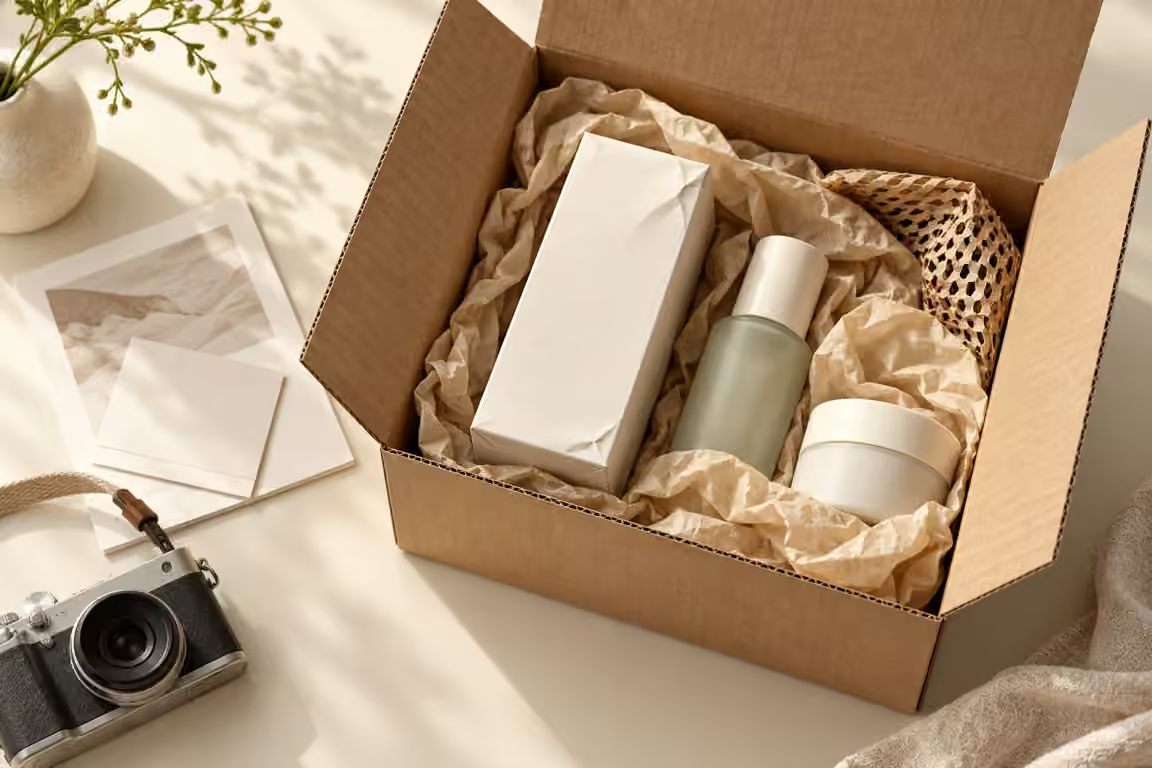
What Should We Capture Before Moving the Contents?
An isolated close-up can show a dent but hide where it sat. Repacking first can make the original arrangement impossible to explain.
We start with the parcel exterior and label, then document each layer as we open it. We connect the pictures with a shipment reference and describe what we can actually see. We avoid handling leaking or broken contents simply to complete a photograph.
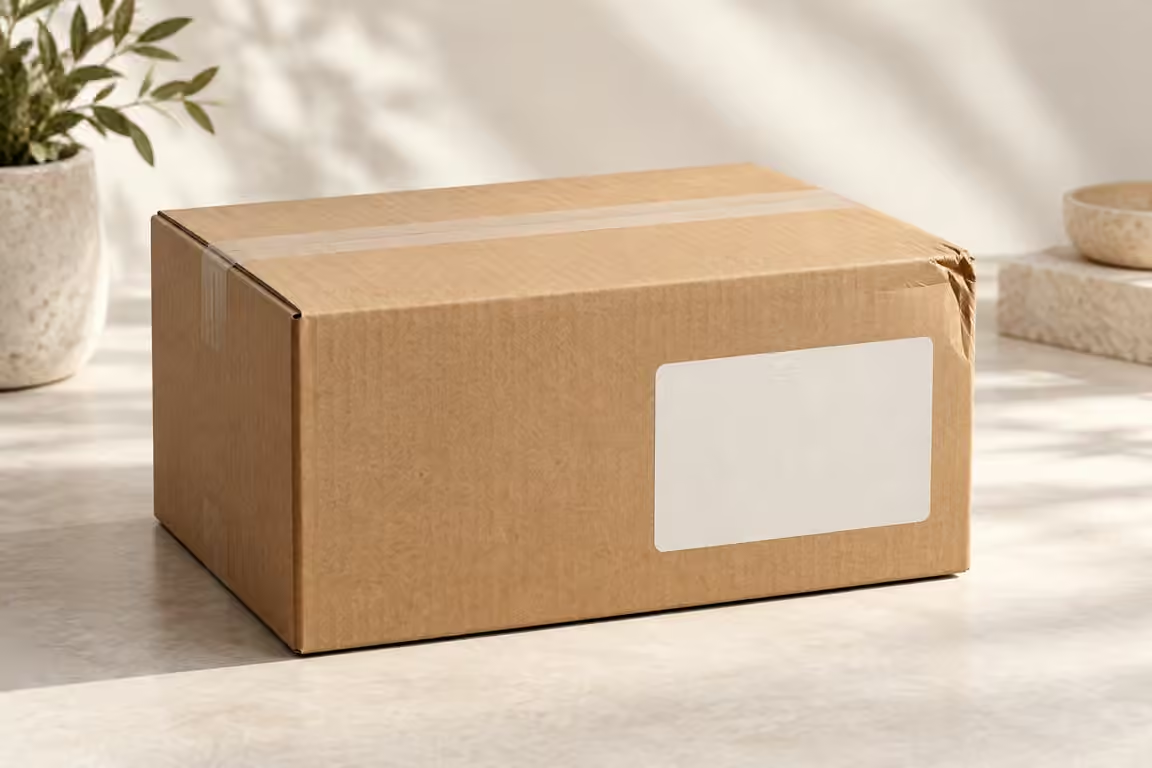
We build a short sequence that another person can follow
We begin with a case reference that links the parcel to the order, delivery date and product version. We use that reference in the image names and the written notes. This helps a reviewer distinguish two similar deliveries without relying on memory. We record who opened the parcel and whether anyone moved the contents before the pictures were taken. If opening has already happened, we say so. We do not recreate a scene and present it as the arrival condition.
We take a wide view of the exterior before looking at small marks. We include the affected side and enough of the adjoining sides to show orientation. We capture the shipping label separately for the private case file. UPS lists exterior, label and packed-item photographs among its requested damage documentation. We use that guidance for the evidence handoff, while checking the current process for the actual service. We do not publish a buyer's address in a general packaging review.
We then open the parcel in a sequence that preserves context. We record the first visible layer, the product's position and the cushioning around it before removing pieces. We note which face of the retail carton was next to the shipping box wall. A picture of the damaged item alone may be clear, but it cannot show that relationship. We keep original files as well as any annotated copies so a later reviewer can inspect the untouched image.
We keep personal safety ahead of documentation. If glass is broken or a product is leaking, we follow the brand's handling instructions and avoid unnecessary contact. We record any limit on inspection rather than claiming we checked an area we could not safely reach. We would ask the responsible team how to secure the parcel for further review. The aim is a faithful record of what is available, not a complete photo sequence at any cost.
Sources for this section: UPS: damage documentation1, Finer Pack: glass parcel protection4
Related decision: Review glass-bottle protection separately
| Review point | What we record | Next decision |
|---|---|---|
| Exterior | Wide view and affected corner | Keep parcel orientation |
| Original layout | Contents before rearranging | Link each layer |
| Inspection limit | Unsafe or inaccessible area | Ask responsible team |
How Do We Separate Appearance Damage from Product Damage?
A dented gift carton and a leaking bottle need different descriptions. A single word such as damaged can hide what the reviewer must decide.
We describe the outer shipping box, retail carton, insert and product separately. We record visible marks, location and inspection limits without declaring the product safe or assigning a cause. We also note whether gift presentation was part of the order requirement.
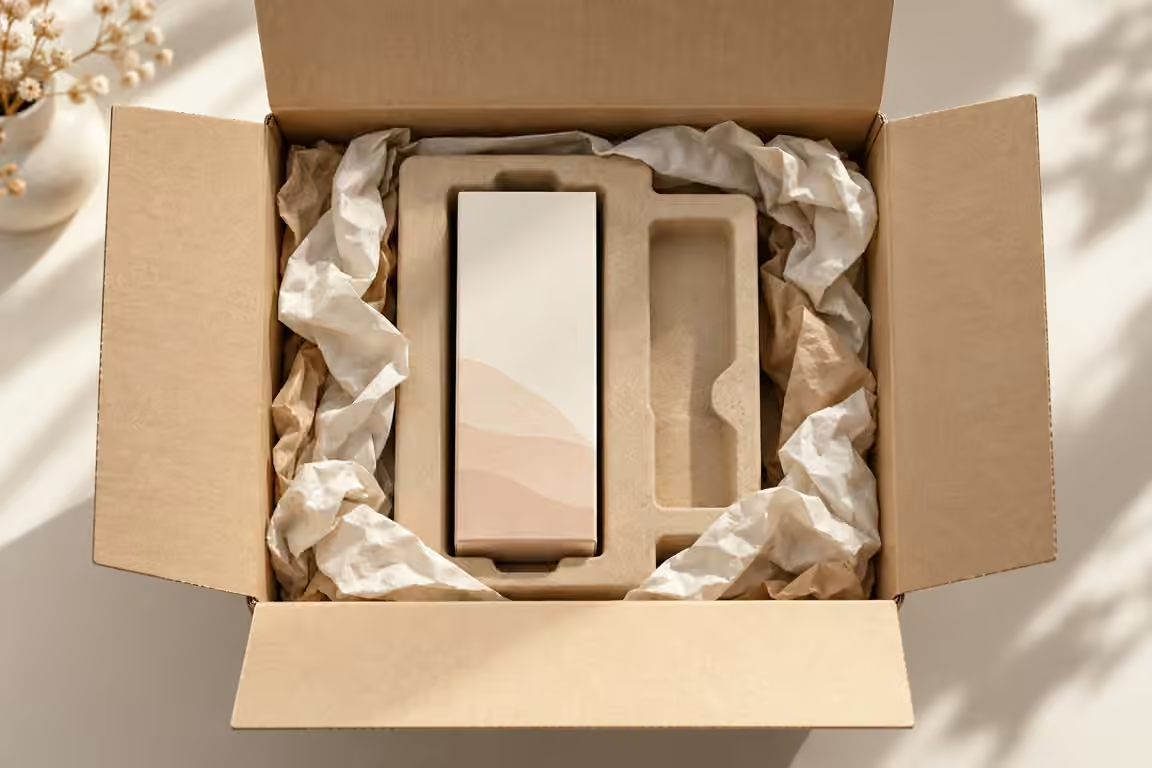
We give each observation its own place in the record
We use plain descriptions that another person can compare with the pictures. We might write that the lower corner is creased, that the printed surface has a rub mark, or that the insert is out of position. We include the panel or cavity location. We avoid turning those observations into a claim about who caused them. A crease shows a changed shape; it does not by itself identify the handling event, packing fault or party responsible for that change.
We keep the retail presentation requirement visible in the file. A consumer may accept a marked carton for personal use yet reject the same condition for a gift. In a recent r/Ipsy discussion, a shopper described damaged outer packaging as unsuitable for a birthday present. Replies showed different views about the box and the contents. We treat that discussion as a community concern, not a measured damage rate or evidence against any carrier. Our practical question is what condition the brand agreed to deliver.
We record the state of the primary container separately from the paper pack. We may be able to see a broken cap or a stain, but we do not certify formula quality from a photo. We flag uncertainty for the brand's product team. We also distinguish an item we inspected from one hidden inside an unopened unit. If the case covers several units, we state how many were examined and which remained untouched. That keeps the record from implying a complete inspection.
We compare observations with the applicable packing and appearance brief. If there is no agreed condition reference, we identify that gap instead of inventing a pass limit after delivery. We keep the support decision and the technical review connected but separate. A brand may decide how to help its customer while it continues investigating the packaging. Neither a replacement decision nor a refund proves a particular packaging failure mode. The written record should preserve that distinction for everyone reading it later.
Sources for this section: Reddit: damaged gift packaging3
Related decision: Plan gift-box appearance protection
| Review point | What we record | Next decision |
|---|---|---|
| Retail carton | Crease or rub location | Compare appearance brief |
| Primary container | Visible condition and limits | Refer product questions |
| Gift requirement | Agreed delivery presentation | Review with brand |
What Should We Keep for the Next Review?
Discarded cushioning can leave a gap that pictures cannot fill. A rushed redesign can also erase the link between the problem and the proposed change.
We retain the original packaging and contents as the carrier or responsible team directs. We keep the order, photos and notes together, then write a separate proposed change. We do not treat a damage report as proof that a new design will pass.
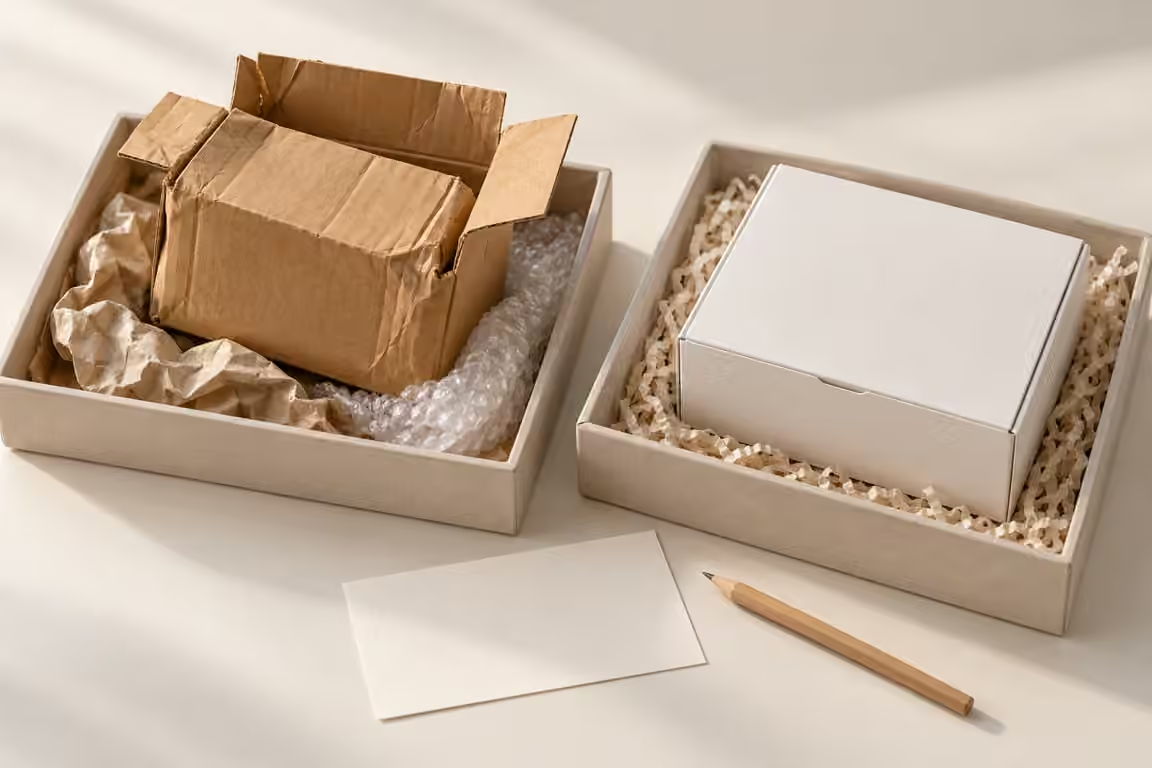
We keep the evidence and proposed remedy distinct
We give one person ownership of the case file and the retained materials. The record includes where the parcel is held and who can arrange inspection. FedEx's US claims guidance asks users to retain original packaging and contents until a claim is resolved. We follow the relevant service instructions for the actual shipment. We do not assume the same process covers every carrier, country or transport mode. The record is a preparation tool, not a promise of claim acceptance or payment.
We keep commercial documents with the private file rather than in a public slide deck. We include the order reference, product description and available proof of value when the responsible team needs them. We also record the version of the packing instruction used for that shipment. If the fulfilment team cannot confirm the version, we leave the field unresolved. A tidy document with a guessed revision is less useful than an honest note that identifies the missing information and its owner.
We next write the question that a packaging review should answer. For example, we may need to understand whether a carton corner touched the shipper wall or whether a loose insert allowed movement. We label these as working possibilities. We do not convert a small set of complaints into a population failure rate. If we compare cases, we use consistent definitions and retain the limits of the sample. This makes it easier to see a repeated observation without claiming more evidence than we have.
We prepare any revised packing proposal as a new version. We describe what changed and which review or test is needed before approval. We keep the original parcel available so a reviewer can compare the proposal with the actual arrangement. A stronger-looking insert or a tighter box is still a proposal until reviewed for the intended product and journey. Our final handoff names the open decision, its owner and the evidence needed next. That is more useful than ending the file with a confident but untested diagnosis.
Sources for this section: FedEx: retaining claim materials2, Finer Pack: reviewing changed packaging5
Related decision: Decide what a changed pack needs to verify
| Review point | What we record | Next decision |
|---|---|---|
| Original materials | Location and case owner | Follow inspection instructions |
| Packing version | Instruction used for shipment | Resolve unknown revision |
| Proposed change | Separate drawing and review scope | Validate before release |
Sources and Related Reading
- 1 UPS: damage documentation. Primary US carrier guidance; check the actual service and case requirements.
- 2 FedEx: retaining claim materials. Primary US parcel guidance on supporting records and retaining original materials.
- 3 Reddit: damaged gift packaging. Attributed shopper discussion, read October 23; not a damage-rate survey.
- 4 Finer Pack: glass parcel protection. Related prevention decision, separate from recording arrival evidence.
- 5 Finer Pack: reviewing changed packaging. Related decision on verification after a change.
Conclusion
We keep the original arrangement, describe each layer and preserve the evidence. Then we give the next reviewer a clear question rather than an assumed cause.