
Gift & Unboxing guide
How Do We Make a Cosmetic Carton Easier to Open?
A neat carton can hide its opening edge. If a buyer must pry at the wrong flap, the first contact becomes frustrating and the box may tear.
We improve cosmetic carton opening by checking where users start, what they can grip and how the flaps release around the product. We compare specific design changes on representative samples, then record the approved sequence and remaining limits.
At Finer Pack, we would use this review for a folding retail carton around a sealed beauty container. We focus on its tuck closure and first opening. The bottle closure, any safety feature and the shipping pack need their own suitable reviews.
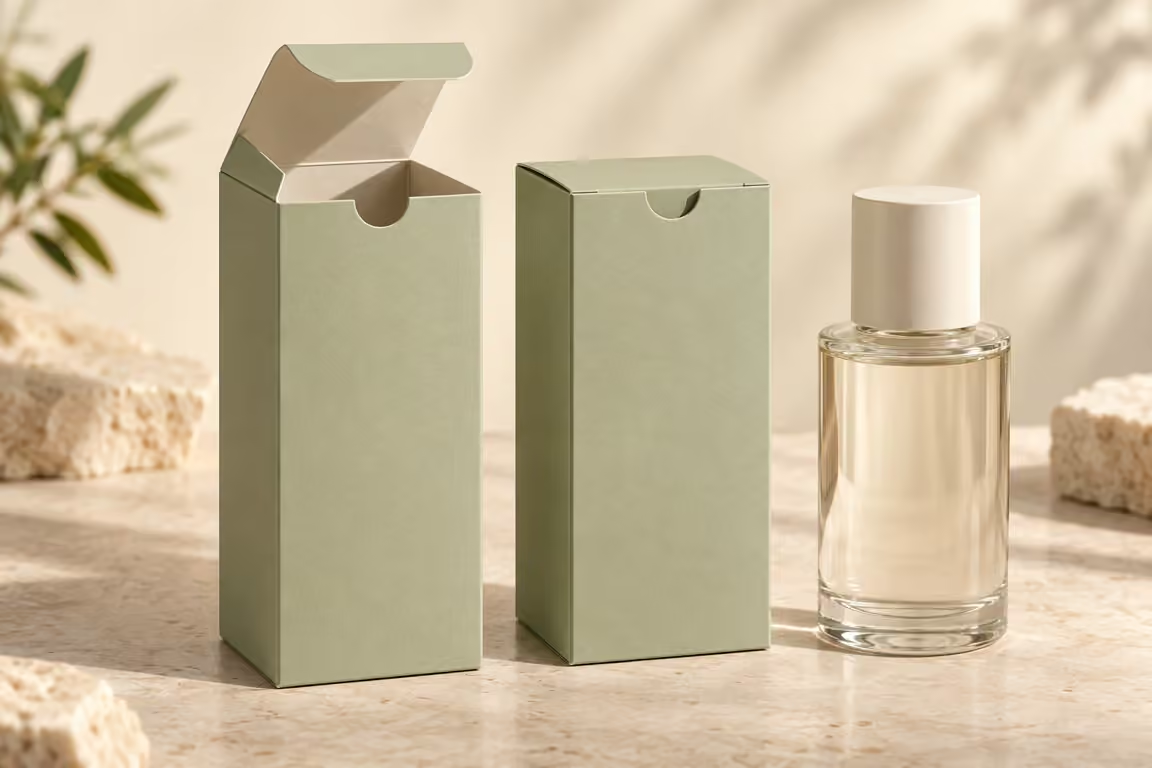
Can We Find and Grip the Intended Opening Edge?
A visible fold is not always the opening. A small edge can disappear under print or a seal, leaving the user guessing where to start.
We show the intended starting edge on the assembled carton and observe whether users find it. We review finger access, contrast and any seal together. We ask for evidence from actual use rather than calling a notch easy to open by appearance alone.
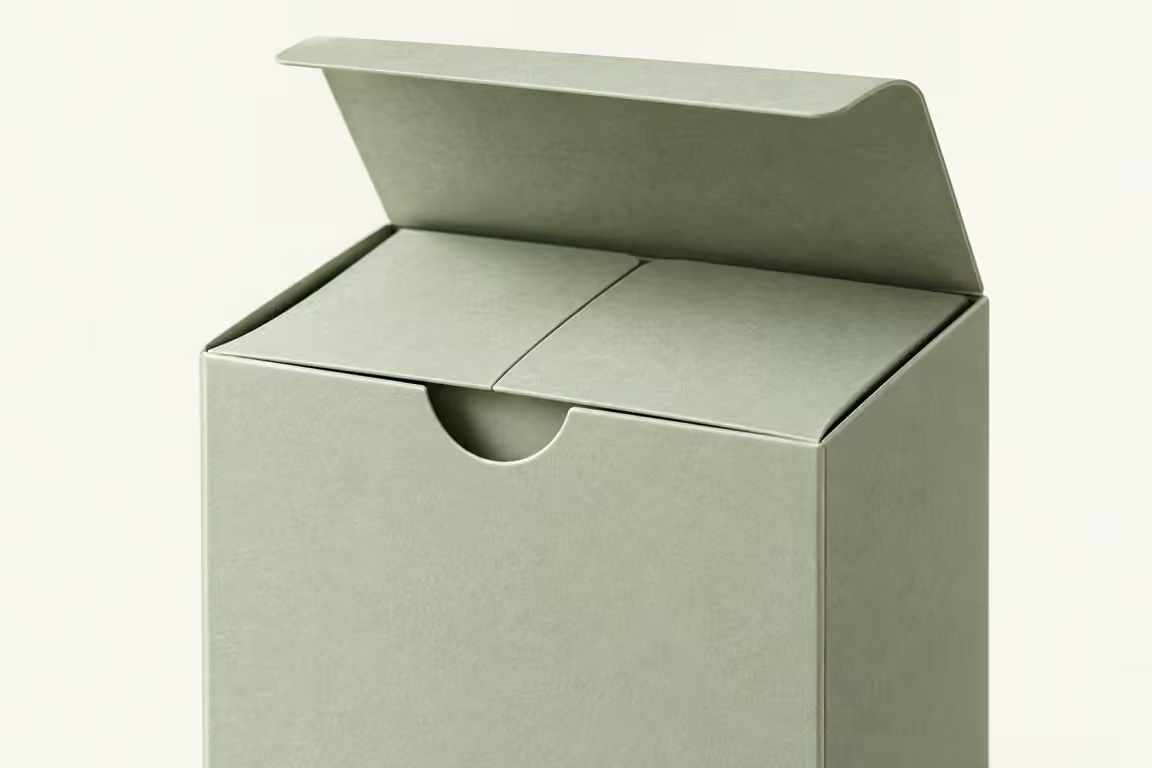
We separate finding the edge from lifting it
We begin with the closed, filled carton in the state the customer will receive. We note the display face and the direction in which the carton is normally held. We ask a reviewer to locate the opening without a demonstration first. If they turn the box several times or start at the bottom, we record that action. We want to learn whether the structure communicates its use before discussing how attractive the top panel looks on screen.
We then look at the contact area. A finger cutout may reveal the tuck edge, but its usefulness depends on the actual construction and the person using it. We examine access with the chosen board, print finish and assembled flap position. We do not copy a notch size from another box and assume the same result. The Arthritis Foundation guide covers finger cutouts and tuck boxes, which makes these useful questions for a design review rather than a decorative afterthought.
We keep opening location and required effort as separate observations. A person may find the right flap but still struggle to lift it. Another may lift the wrong edge easily and tear a panel. ISO 17480 addresses opening location, opening methods and evaluation. We use its scope to frame a brief for the responsible evaluator. We do not claim that a desk review follows the complete standard or that one successful opening establishes access for every user.
We also read the r/PsoriaticArthritis discussion about opening food packaging as a qualitative clue. The poster describes difficulty gripping edges and using several common closures. That is not a study of cosmetic cartons, and the replies are not a representative survey. The useful design question is whether our carton expects a narrow pinch or a strong grip unnecessarily. We would include intended users in a suitable review and keep their observed actions separate from our own assumptions about what should feel easy.
Sources for this section: ISO 17480: ease of opening1, Arthritis Foundation: Boxes and Bags guide2, Reddit r/PsoriaticArthritis: opening food packaging3
Related decision: Review sliding access as a separate structure
| Decision | What we review | What we record |
|---|---|---|
| Find | Starting edge on closed pack | First attempted action |
| Grip | Exposed edge and contact area | Where access fails |
| Seal | Position across opening | Separate release steps |
What Happens After We Lift the Tuck Flap?
A flap may lift cleanly while the next layers block removal. Judging only the first motion can leave the user stuck halfway through opening.
We follow the opening from the tuck flap through the dust flaps to product removal. We check where the carton is supported and where the sealed container moves. We compare one useful design change at a time while preserving the required closure functions.
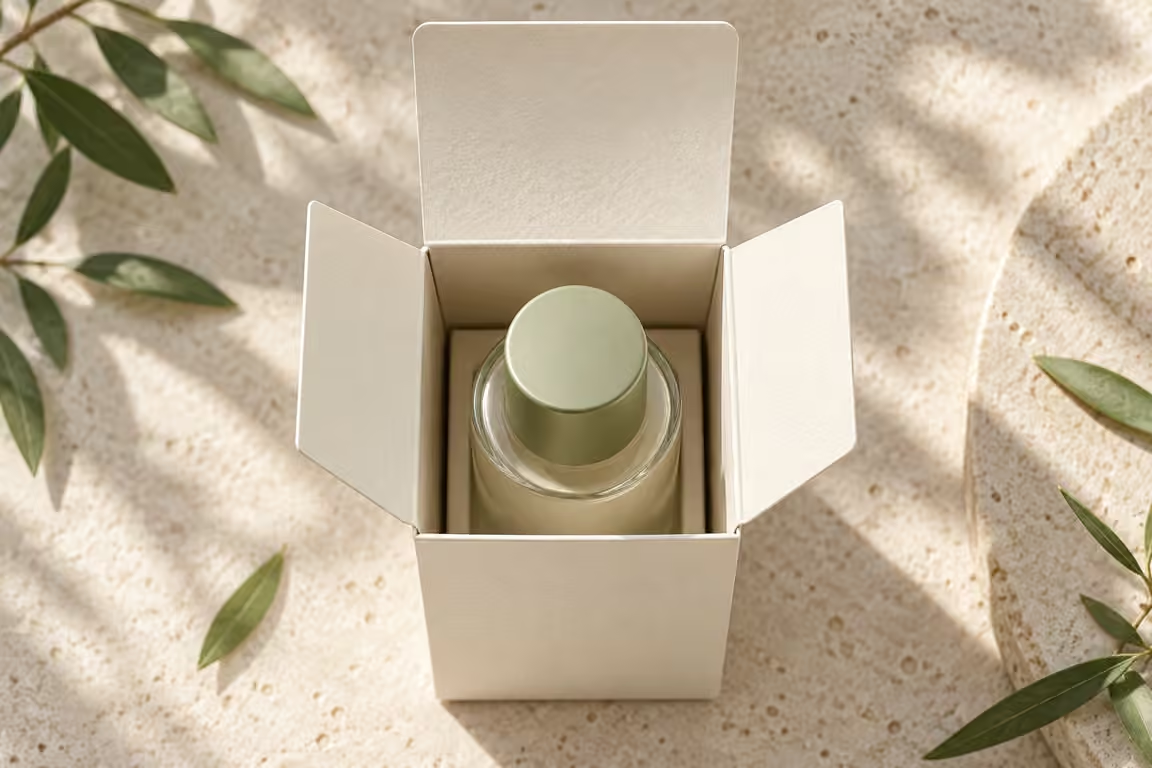
We review the sequence with the actual contents
We map the steps in plain language: support the carton, release any required first-opening feature, lift the tuck flap, move the smaller flaps and remove the container. The exact order must come from the chosen structure. We record where a user needs to change grip or rotate the pack. If the bottle comes loose earlier than expected, we note that separately. A closure improvement should not quietly create a product-handling problem that the first demonstration failed to show.
We check how the smaller flaps sit after assembly. They may cover part of the opening or spring back toward it. We ask whether the user can move them without reaching past a sharp or fragile product feature. We also inspect the inside tuck edge and the insert position. A change to the main flap alone may not solve a restriction deeper inside. We bring these observations to the converter with the assembled sample instead of sending a general request to make the top looser.
We choose a focused comparison. That might involve a changed access feature, a revised fold arrangement or a clearer opening cue proposed by the designer. We label each version and use the same contents during comparison. We record improvements and any new problem in closure or handling. We do not recommend weakening a required safety feature. If a product has regulated opening requirements, the responsible specialist must resolve those requirements before the brand accepts a revised construction for sale.
We keep this decision distinct from drawer-box access. A drawer review considers sliding surfaces and a pull path; a tuck carton has a different opening sequence and support pattern. The related drawer guide helps buyers avoid carrying a successful solution from one structure into another without checking it. We also ask whether the carton must close again after first use. A pack that opens once with visible tearing may suit a particular brief, but it cannot be presented as a proven reclosable design without a relevant review.
Sources for this section: Arthritis Foundation: Boxes and Bags guide2, Finer Pack: drawer box opening4
Related decision: Review product retention and removal
| Decision | What we review | What we record |
|---|---|---|
| Sequence | Tuck, dust flaps and retrieval | Grip changes and blockage |
| Support | Carton and container movement | Risk requiring redesign |
| Comparison | One named revision | Gain and new limitation |
Which Sample Can Support Our Opening Approval?
A smooth handmade blank may open differently from a finished production carton. An approval without sample details gives the supplier a weak reference to repeat.
We use a sample that represents the closure, materials, finish and contents being approved. We document who reviewed it, what they did and which questions remain. We separate an early structural check from a final usability or compliance claim.
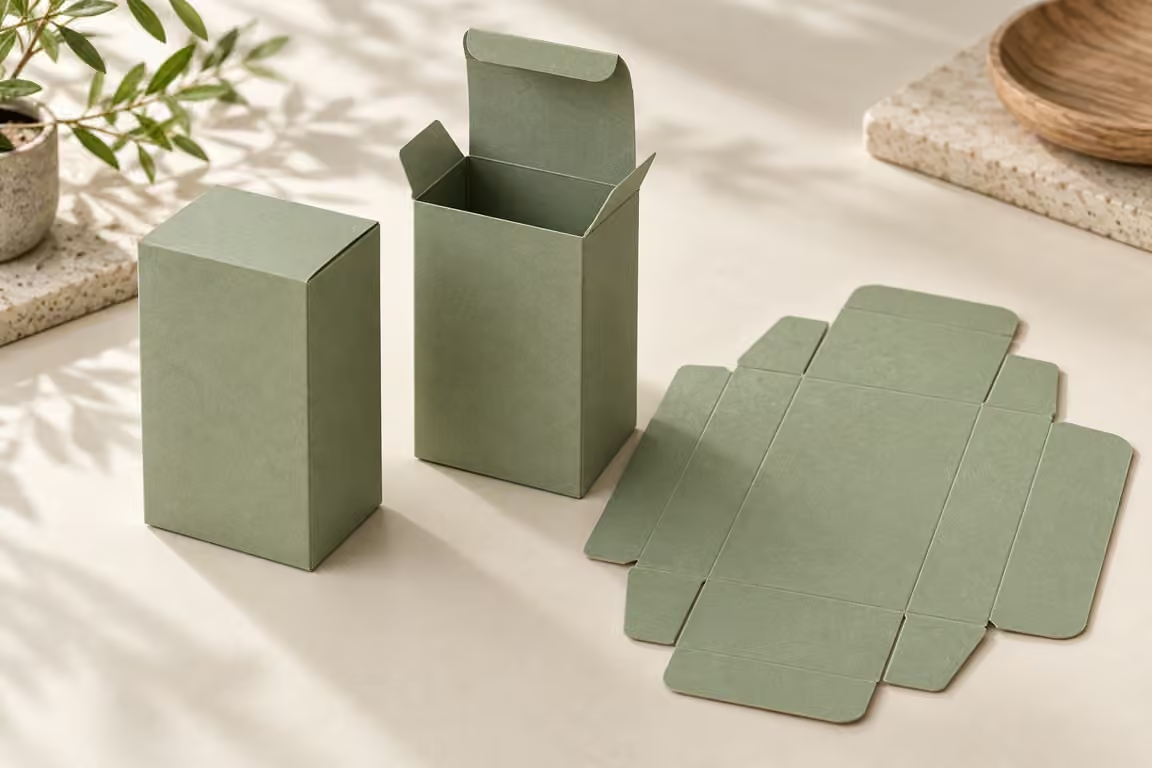
We connect the result to a named revision
We identify the sample before asking anyone to approve it. We record its drawing revision, board, surface finish and construction route. We note any difference from planned production, including hand cutting or an early substitute material. A white blank can help us discuss the opening path. It cannot show whether final print makes the opening cue clear, or whether a later finish changes the grip. We choose the sample type from the decision rather than treating every prototype as equally representative.
We agree the review task and the intended users with the responsible evaluator. We state whether the question concerns finding the opening, releasing the flap, retrieving the bottle or closing the carton again. We record the task outcome and relevant observations. We do not turn a small internal review into a population-wide success percentage. If the project needs a defined accessibility assessment, we ask for the appropriate method and reporting scope rather than inventing a pass threshold in the purchasing brief.
We keep appearance and function connected but separately recorded. A torn top panel, a bottle that drops out and a hard-to-find flap are different outcomes. One attractive photograph cannot explain which of those occurred during use. We retain the reviewed carton where practical, along with the approved file and sample identity. If the final artwork or seal position changes, we ask whether the earlier opening result still applies. The answer should be traceable to the change rather than assumed from an unchanged outer size.
We end with a clear decision: approve the named revision for the stated scope, ask for another sample or hold the unresolved issue. We record who can authorize a later substitution and what needs checking again. We would bring the actual filled-container dimensions, intended market, closure drawing and observed opening sequence to a folding-carton discussion. That brief gives the supplier a practical problem to solve. It also leaves any untested shipping, product-closure or accessibility question visible for the team that owns it.
Sources for this section: ISO 17480: ease of opening1, Finer Pack: pre-production sampling5
Related decision: Choose a representative approval sample
| Decision | What we review | What we record |
|---|---|---|
| Identity | Drawing, material and finish | Sample differences |
| Review | Users, task and method | Observed outcome |
| Release | Revision and review limits | Approve, revise or hold |
Sources and Related Reading
- 1 ISO 17480: ease of opening. Official scope includes opening location, methods and instrumented or user evaluation. This article does not establish conformity.
- 2 Arthritis Foundation: Boxes and Bags guide. Primary design guidance covering finger cutouts and tuck boxes; no certification or universal dimensions inferred.
- 3 Reddit r/PsoriaticArthritis: opening food packaging. Cross-category account of grip difficulties, not a cosmetics survey or medical recommendation.
- 4 Finer Pack: drawer box opening. Separate review for sliding drawer access.
- 5 Finer Pack: pre-production sampling. Match sample construction to the approval question.
Conclusion
We make the starting edge clear, review the full opening sequence and approve a named sample. Easier access needs evidence from the intended pack and users.