
Shipping & Protection guide
How Do We Approve a Beauty Mailer for Returns?
A mailer may survive delivery but tear where it needs to close again. The customer then has to improvise a way to send it back.
We approve a beauty return mailer by sealing it as the warehouse will, opening it like a customer and repacking the eligible items in the same box. We check that the second seal and return label have usable surfaces and record where a separate box is needed.
At Finer Pack, we draw two trips on the packing brief. We start at the dispatch bench, then follow the opened box through a return rehearsal. The brand's return policy determines which products may come back and what instructions apply.
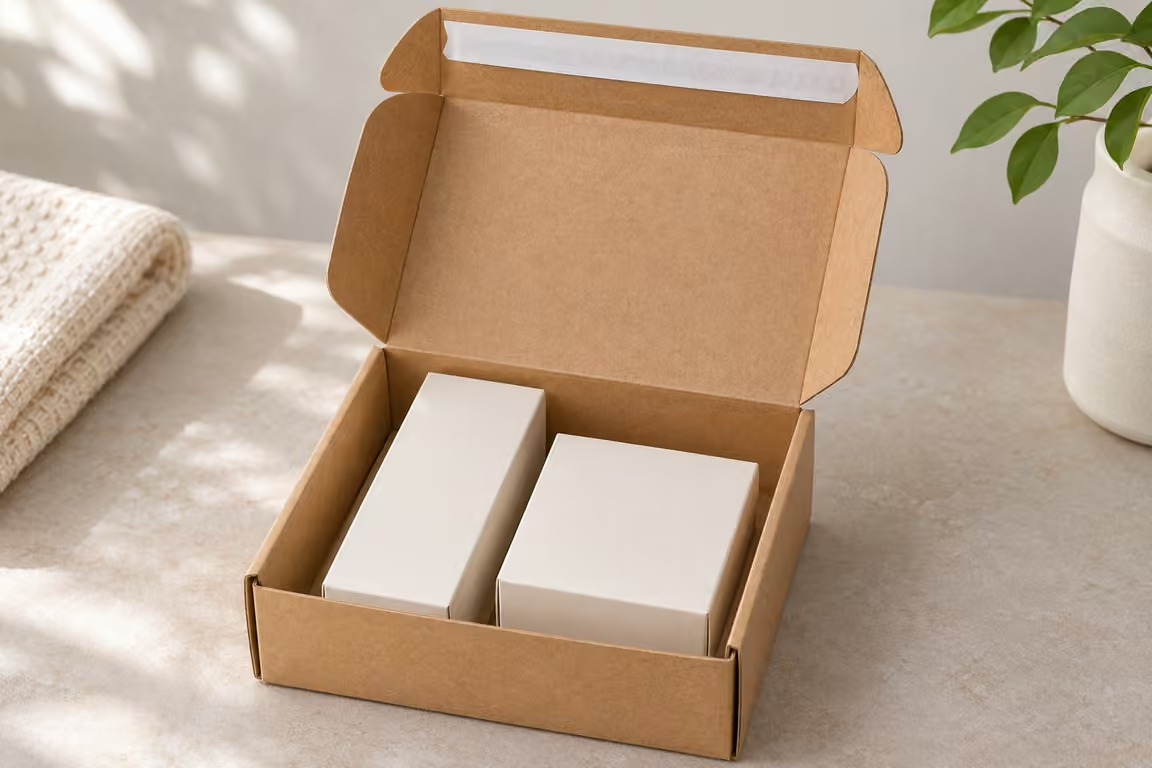
Will the First Opening Preserve the Return Closure?
Extra tape may protect an edge but cover the only pull tab. We inspect the parcel after the warehouse has applied its real outbound materials.
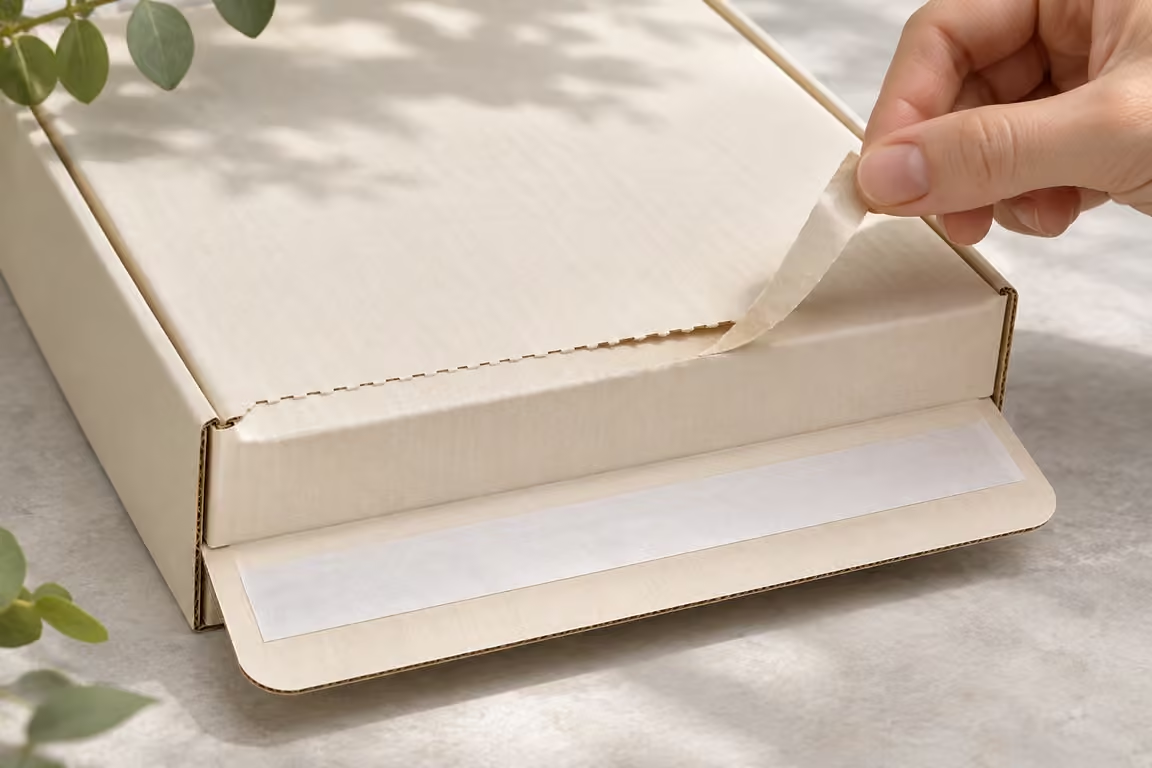
We mark the first seal, opening path and return seal on the sample. We apply the actual outbound label and tape, then ask someone to open it without coaching. We check where the tear ends and whether the next closure still has a clean landing surface.
We watch the opening sequence
We close the mailer using the normal packing steps and the tape, liner and label planned for dispatch. We give the parcel to someone who did not design it. We ask them where they would start and watch what they do first. We note if a pull tab blends into the printed art or sits partly underneath an outbound label. We ask them to stop if they would normally reach for a knife, so we can record the reason.
We then inspect the opened structure. We look at the hinges, locking tabs and the panel where the second seal is meant to land. We mark any layer that lifts or tears away. DS Smith's Tape Back example shows a design approach for returning an order in its original packaging. We ask the converter to demonstrate the actual configuration it proposes. A sketch may locate the two sealing zones while leaving their behavior on a finished sample open.
The Arthritis Foundation's boxes and bags guide addresses how people find and operate package openings. We use it to ask about visibility, grip and motion. A January 2026 post in r/mildlyinfuriating describes an opening strip covered by tape. The same poster later showed a parcel reinforced without covering the opening feature. The examples help us choose a realistic failure to look for during rehearsal.
We add a simple placement photo to the packing instructions. It shows where a worker can put tape and where the opening feature needs clear space. We ask the warehouse to repeat the process at its own bench. A design approved by a buyer and a box sealed during normal dispatch should follow the same opening path.
Sources for this section: DS Smith Tape Back1, Arthritis Foundation guide to boxes and bags2, Reddit discussion about a covered opening strip3
| Feature | Check after dispatch packing | What we record |
|---|---|---|
| Pull tab | Visible and reachable | First hand position |
| Opening path | Tears along intended area | Damage or lifted layers |
| Return seal | Liner and landing area survive | Photo after opening |
Can a Customer Repack the Actual Order?
A full outbound set may fit neatly, while one item on the return trip shifts into an empty cavity. We rehearse that situation before launch.
We try every return configuration that matters to the program. We use the opened mailer, available support pieces and eligible items. We watch the packing order, note movement or closing problems and tell the customer when to use different packaging.
We check the pieces a customer will still have
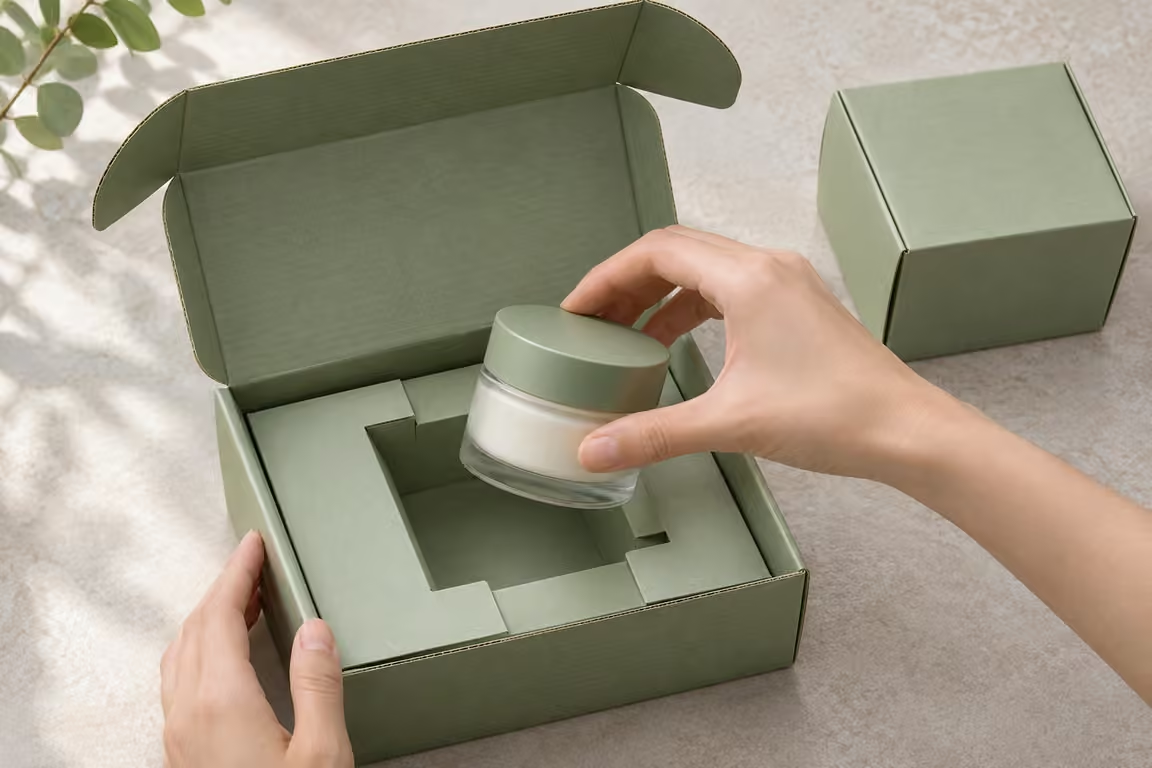
We start with the smallest eligible order or return. It may be one boxed jar from a pair. We put the item back using only pieces a customer is likely to have retained and the instructions we plan to show them. We record whether the item can rotate into empty space, whether an insert stays seated and whether the closure can lie flat. We repeat with the fullest eligible arrangement and note the differences.
We look at the repacking action in order. Does the cradle have a clear top? Does a loose divider need to be pushed down before the jar goes in? A short illustration of the correct position can help if the structure is familiar and the pieces are present. If the instructions require a customer to rebuild a complicated arrangement, we consider simplifying the insert or defining a different approved return option.
We agree on what the sample represents. We ask for the planned board, closure material and insert when they matter to how the box packs or closes. A hand-folded carton can help explain the sequence. A representative construction supports a more useful handling review. Our pre-production sampling guide explains how to match the sample to the question, including which decisions remain open after an early mockup.
We record the actions we observed and the scenarios still open. A desk rehearsal lets us see an obvious fit problem before any distribution evaluation. We send the intended filled return configurations to the responsible team for any further assessment it requires. The brief names the contents, seal method and packing condition so that later work represents the intended trip.
Sources for this section: Finer Pack guide to pre-production samples4
| Return configuration | What we try | What the instructions need |
|---|---|---|
| One item from a set | Fit in the opened mailer | Which cavity or support to use |
| Full eligible order | Flat closing flap | Order of packing steps |
| Damaged box or missing insert | Follow the fallback path | Which alternative to use |
Where Do the Return Seal and Label Go?
A resealed box still needs a useful label surface. Old labels, torn fibers and uneven seams can make the return handoff harder to follow.
We close the packed mailer using its return seal, then place a sample label using the program's instructions. We confirm the intended label face and how the previous label should be handled. We give the receiver the approved packing and exception instructions.
We rehearse the trip back to receiving
We peel the second liner in the same order shown to the customer. We check that the return flap can land on the intended panel without bending around a bulge. We photograph the seal at both ends and in the center. We ask the converter what conditions its adhesive and substrate were selected for, and we plan any required evaluation with those conditions and the actual materials in mind.
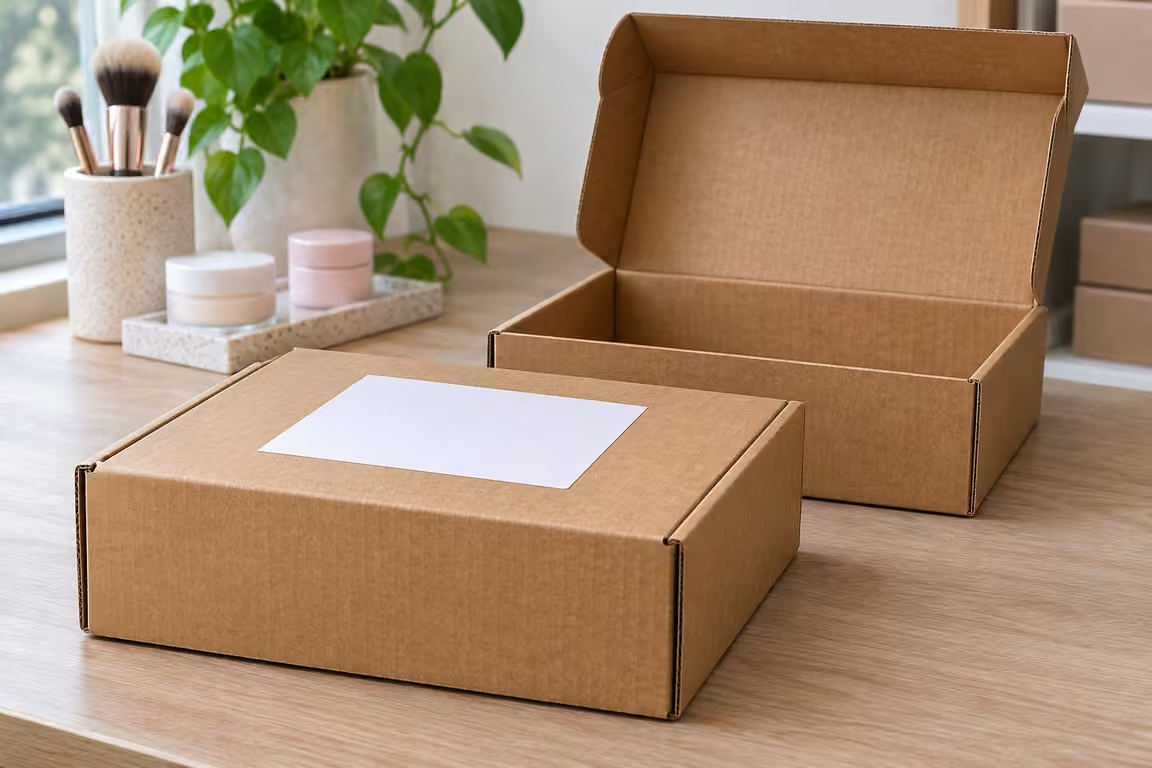
Next we apply a sample return label of the expected size. We follow the return program's directions for covering or removing the old label. We check that the new label lies flat on the chosen face and that it leaves the seal or opening instructions usable. We ask the carrier or program owner to confirm its actual label placement instructions for the service. A mock label helps plan space and handling.
We have another person at the receiving bench open the box and identify the order using the expected workflow. We ask where they would record a loose item, missing insert or partly open flap. Our damage-record guide suggests how to capture packaging observations in a way that helps someone review them later. For returns, we add the known condition of the box before it was sent back if that information is available.
Finally we retain pictures of a dispatched mailer, the opened structure and the resealed parcel. We tie the pictures to the same revision and identify which order combinations were rehearsed. We recheck the affected step if a tape width, label size, insert or closing flap changes. We give customer service a clear fallback for a box that cannot be reused.
Sources for this section: Finer Pack guide to packaging damage records5
| Handoff | What we check | Evidence |
|---|---|---|
| Second seal | Clear and flat landing panel | Closed return sample |
| Return label | Usable face and previous label handled | Label placement photo |
| Receiving | Order and package condition identifiable | Exception instructions |
Sources and Related Reading
- 1 DS Smith Tape Back. A packaging supplier's example of a return closure design.
- 2 Arthritis Foundation guide to boxes and bags. Opening and handling design guidance, pages 19–23.
- 3 Reddit discussion about a covered opening strip. One recipient's opening experience and a later example.
- 4 Finer Pack guide to pre-production samples. Match sample construction to the approval question.
- 5 Finer Pack guide to packaging damage records. Identify which evidence helps review a reported packaging problem.
Conclusion
We approve the mailer through both trips. A useful return design preserves the second closure, gives items a clear packing path and leaves room for the label.