
Print & Label Clarity guide
How Do We Release Multilingual Cosmetic Artwork?
A translated carton can look complete while using an old sentence. If reviewers approve different files, the final print instruction becomes hard to trust.
We release multilingual cosmetic artwork by giving each market version its own identity, checking the actual exported layout against approved text, and naming the exact file cleared for print. We keep language approval, packaging review and production release linked, with an owner for each decision.
At Finer Pack, we would use the following workflow for a beauty brand ordering paper cartons in more than one language. We focus on version control. The brand and its qualified reviewers still decide the wording required for each destination.
How Do We Identify Every Language Version?
Similar filenames can hide different markets or text revisions. A designer may update one carton while a reviewer unknowingly checks another.
We give every physical language version a clear reference. We connect the product, destination, carton drawing, text revision and artwork file in one row. We name who approves the language and who clears the layout, rather than treating a filename as approval.
We make the version record useful outside the design team
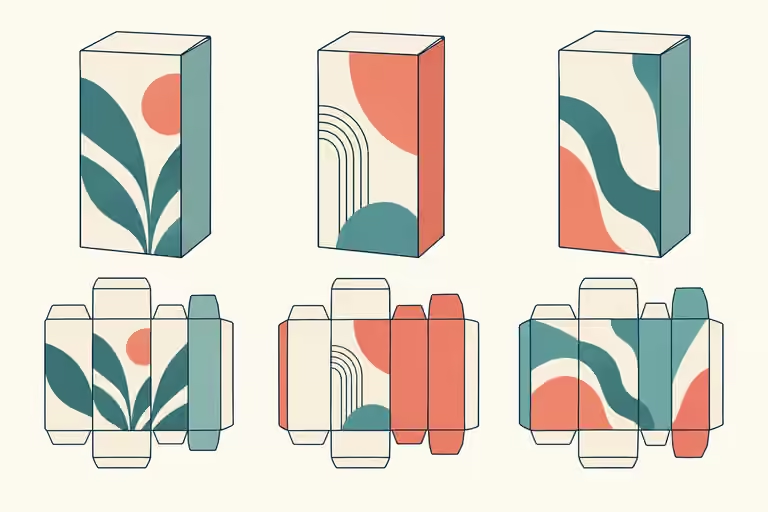
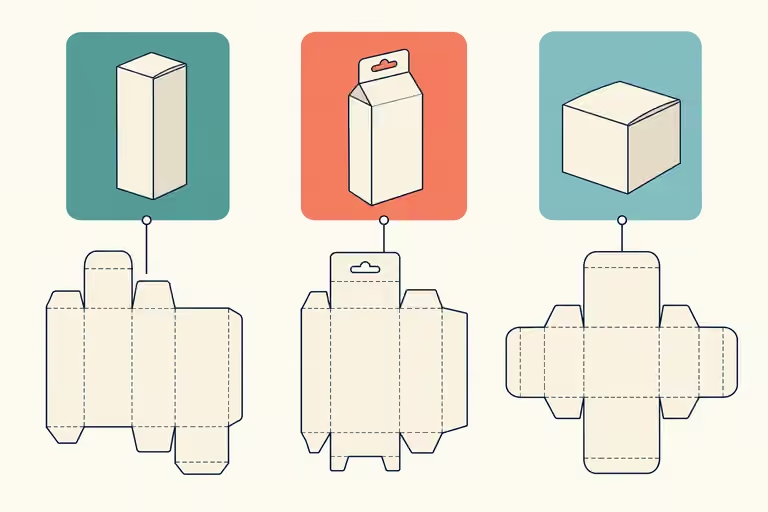
We start with the physical pack that will be ordered. One row describes one combination of product, size, destination and language set. If two markets use the same approved carton, we record that shared scope. If their wording differs, we keep separate rows even when the front panels look identical. The aim is to let a buyer, translator or printer identify the intended pack without guessing from its color. We would also link the row to the quantity being requested.
We separate the approved source text from its placement in the design. A language reviewer needs a stable text revision, not a moving email conversation. We record who owns that wording and which unresolved questions remain. We avoid silently correcting unfamiliar words during artwork cleanup. Even a small punctuation or line-break change may need the language owner to look again. We ask that person to decide whether the change is acceptable and retain the answer beside the relevant revision.
We use the same identifiers in the proof request, comments and release message. Esko describes version history and approval records as part of its artwork-management workflow. That supports the need to connect decisions to a specific file; it does not require a small brand to buy a particular system. A simple controlled record can serve the same basic purpose when the team can maintain it. We choose the tool according to the number of versions and people involved.
We also record what has deliberately stayed shared. The structural drawing may be common while text changes, or one market may need a different panel arrangement. We do not assume either case. In a r/PackagingDesign discussion, a designer asked about translated text size and placement on bed-linen packaging. We use that cross-category question as a reminder to define the review responsibility. We do not adopt the replies as cosmetic labeling rules or as proof of customer preferences.
Sources for this section: Esko: artwork version and approval history1, Reddit: translation size and placement question3, Finer Pack: artwork preparation4
Related decision: Review the general artwork handoff
| Check | What we record | Decision |
|---|---|---|
| Pack identity | Product, size and destination | Shared or separate version |
| Text basis | Approved wording revision | Language owner checks |
| Artwork link | Exact exported filename | Layout owner checks |
What Should We Check in the Exported Carton Proof?
A correct translation in a text file can still be clipped in artwork. A flat view can also hide a sentence wrapped around a corner.
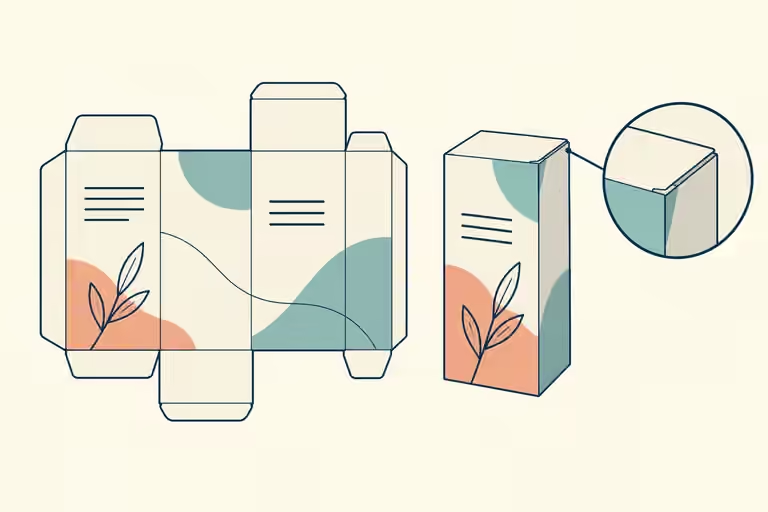
We check each exported carton proof against its approved text, then review it at final size and in a folded layout. We inspect characters, line breaks, panel order and finishing layers. A screen preview supports this review but does not approve the finished print.
We review the file the printer will actually receive
We ask the language reviewer to read the exported proof rather than relying only on the editable text. We compare it with the approved wording and mark omissions, repeated lines or changed characters. We keep symbols and numbers in the comparison because they may carry meaning even when the surrounding sentence appears unchanged. We also ask whether the reading order is clear across panels. We do not shrink text simply to make a translated block fit an inherited space.
We inspect the layout at the intended printed size. A large monitor view can make a narrow panel appear generous. We would make a size reference and a folded mockup to see where information ends up after assembly. We look for lines near a crease, text obscured by a sleeve and panels that become difficult to read when the product is displayed. We record these as layout observations for the responsible reviewer. We do not invent one universal safe distance or font size.
We review print layers separately from language. Adobe describes output preview tools for separations, overprinting and page boxes, along with limits on what a screen can show. We use those tools to ask focused questions about the exported PDF. They do not prove the press result, board appearance or legal adequacy of the wording. We would send any concern about a finishing layer to the print team and ask what physical proof is appropriate for that decision.
We keep comments tied to the exact version under review. A useful note names the panel, the observed problem and the proposed change. If a new export follows, we compare it with the previous one and check the affected areas again. We also check whether an apparently local change has moved nearby lines. Our review record names the file checked and the remaining limits. This gives the next person a clear reason to accept the revision or return it for more work.
Sources for this section: Adobe: output preview and its limits2, Finer Pack: EU label-space planning5
Related decision: Plan destination-specific label space
| Check | What we record | Decision |
|---|---|---|
| Text comparison | Characters and approved revision | Return unresolved wording |
| Folded view | Panel order and hidden areas | Adjust layout for review |
| Output preview | Layers and print questions | Select physical proof |
How Do We Hand the Approved Version to the Printer?
Approval can be lost in a long message thread. If an earlier PDF stays in the print folder, a correct review may never reach production.
We release one named artwork file for each approved version, with its drawing reference, destination and approval record. We clearly separate superseded proofs from released files. We ask the printer to confirm the received version before production starts and control later changes through a new release.
We make the release a specific instruction
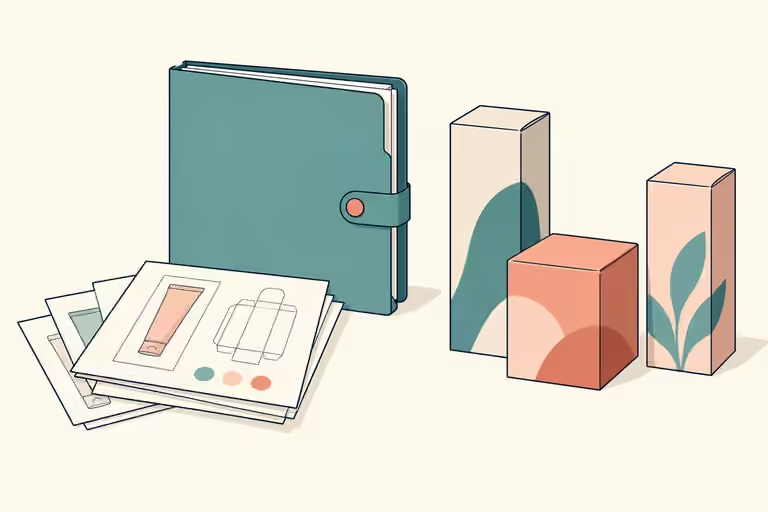
We prepare a short release list containing the pack reference, quantity, language set, drawing revision and exact artwork filename. We attach or link the approved file from a controlled location. We keep the approval record available beside it. The list says which decisions are complete and which are outside its scope. For example, language approval does not automatically approve a foil finish, and an appearance proof does not establish the performance of the filled shipping pack.
We avoid sending a folder of competing finals and expecting the printer to choose. We retain earlier revisions for traceability, but we mark them as superseded and keep them outside the active release set. We ask the receiving team to confirm the identifiers it will use. If the printer creates an output proof, we check that it still represents the released version. We also record any production adjustment that needs renewed brand approval rather than allowing an informal substitution.
We review changes after release through the same record. A new language line, revised destination or different drawing should create a clear revision decision. We identify what changed, who must review it and whether any previously approved work is affected. We do not call a file unchanged just because its front panel is familiar. Where the change affects physical pack behavior, we would ask the relevant team whether a new sample or other verification is needed before authorizing the revised order.
We close the handoff by reconciling the ordered versions with the planned packing and destination labels. That is a planning check, separate from checking physical variants on a packing line. We make it possible to trace a finished language version back to its released artwork. When a question later appears, the team can identify the approved basis without reconstructing a message chain. Our next step would be a product-specific artwork brief with the responsible language, structural and print reviewers named.
Sources for this section: Esko: artwork version and approval history1, Finer Pack: artwork preparation4
Related decision: Check physical variants during packing
| Check | What we record | Decision |
|---|---|---|
| Release set | Exact file and drawing | Confirm received version |
| Old proofs | Superseded status | Keep outside active set |
| Later change | Revision and review owner | Approve a new release |
Sources and Related Reading
- 1 Esko: artwork version and approval history. Primary software-provider explanation of version history and approval records; not a legal labeling source.
- 2 Adobe: output preview and its limits. Primary documentation for PDF separations and preview limitations.
- 3 Reddit: translation size and placement question. Attributed 2023 bed-linen packaging discussion; cross-category concern, not cosmetic law or a survey.
- 4 Finer Pack: artwork preparation. General artwork brief, separate from language-version release.
- 5 Finer Pack: EU label-space planning. Related destination-specific layout planning.
Conclusion
We keep each language version traceable from approved wording to print release. We resolve open decisions before the file becomes a production instruction.