
Artwork guide
How Do I Prepare Cosmetic Packaging Artwork for Print?
A polished screen file can still fail when the wrong dieline, missing finish layer, or late copy change reaches prepress.
We prepare packaging artwork by locking the approved structure first, mapping every panel and production layer, then sending one named print file with its proof and approval record. We check the finished size, information, color intent, finishes, and version before release.
We use these three questions to make the artwork handoff clear for a designer, brand team, and packaging converter.
Which Structure Must I Lock Before Artwork Begins?
Artwork can look finished while the carton still changes, leaving copy on a fold, a glue area, or the wrong panel.
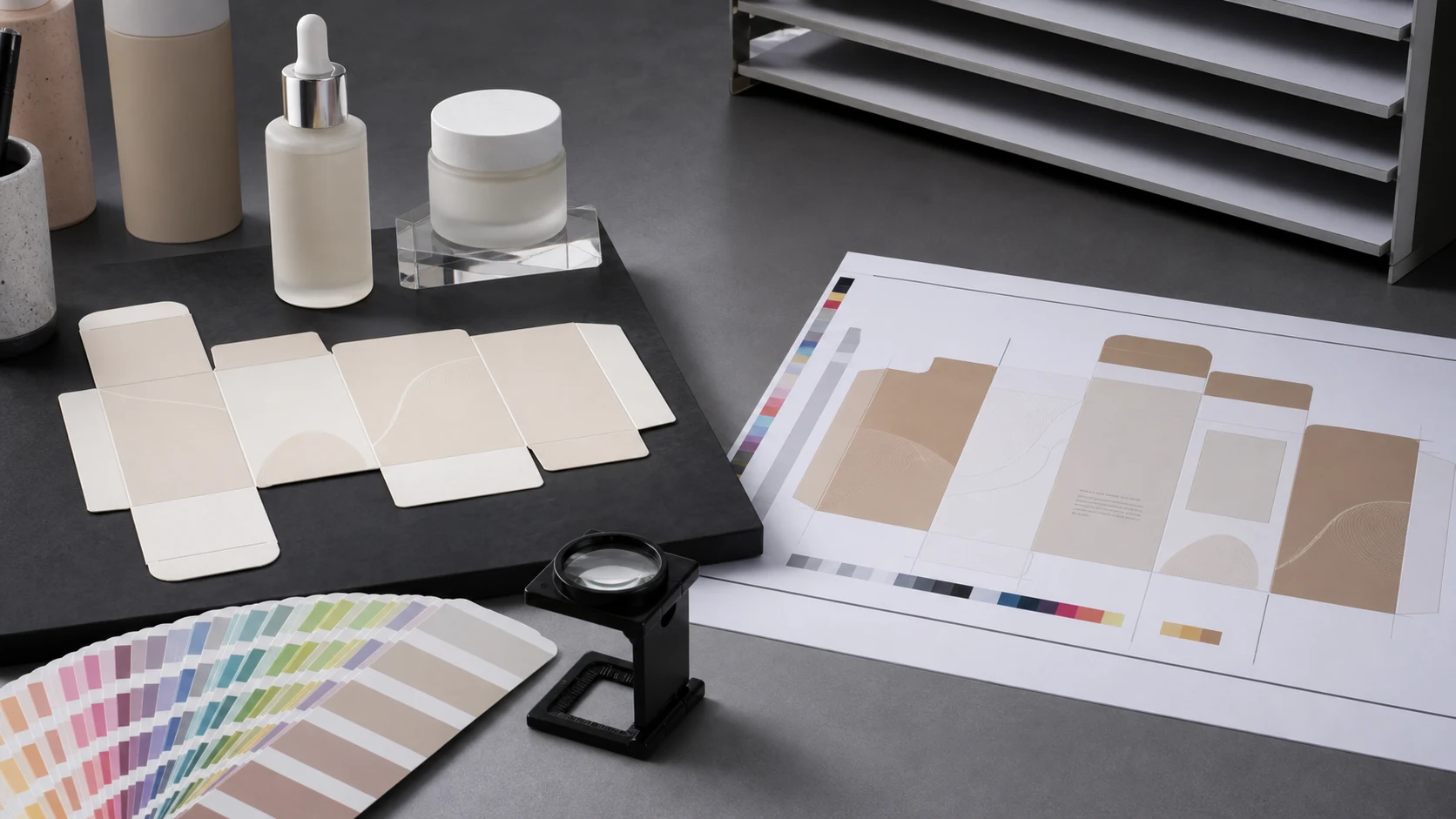
We start from the approved dieline and sample. We name the front, sides, top, base, glue flap, scores, cut lines, safe areas, and finishes. We place copy only after we confirm how the flat layout folds around the real product.
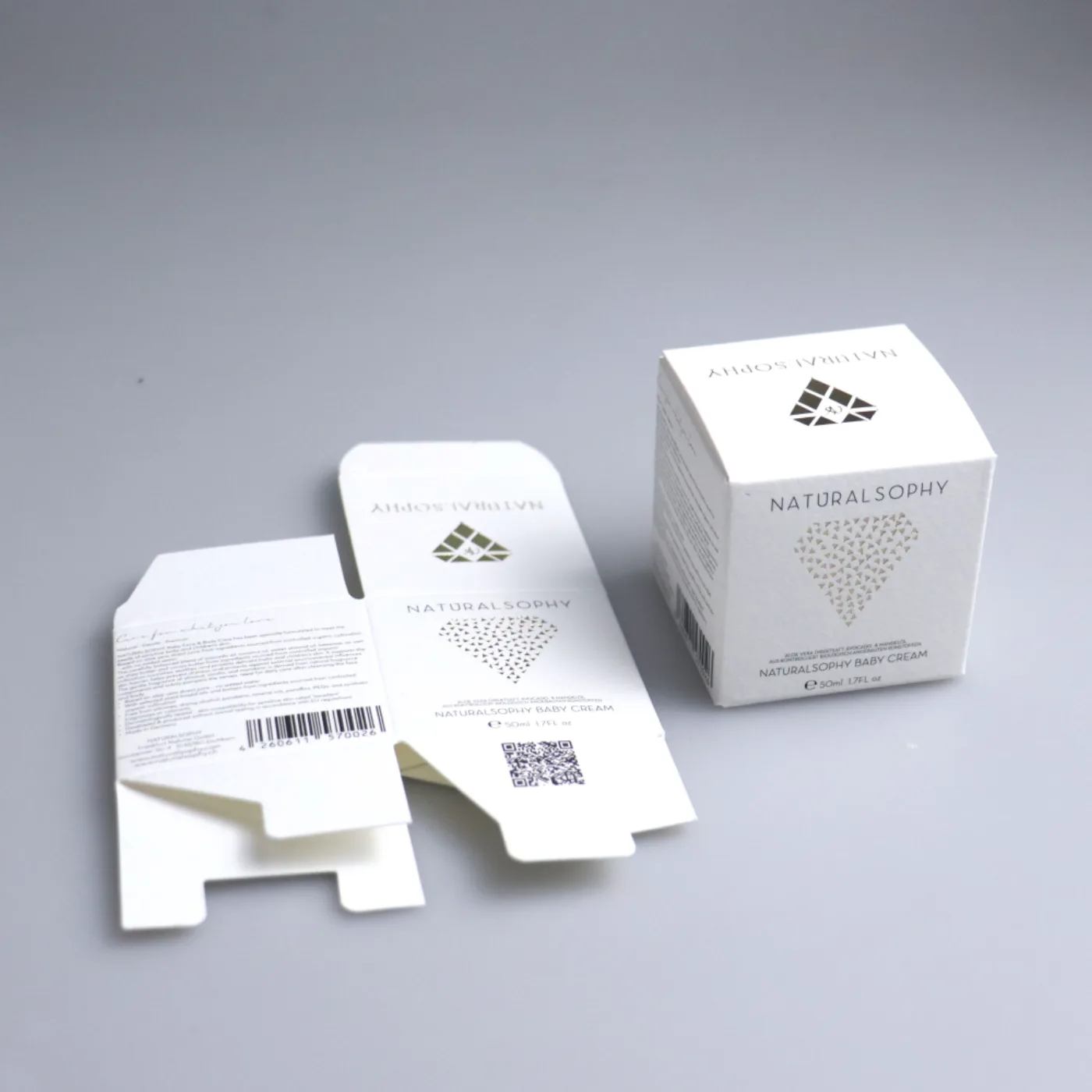
We treat the dieline as the map of the finished pack
We begin with a current structural file from the converter. We do not rebuild it from a product photo or an old carton. We print the dieline at finished size when possible, fold a plain dummy, and mark the shopper-facing panels. We check where the closure meets, where a glue flap lands, and where a score can interrupt small type or a fine line. We also put the primary display panel beside the real product so we can see the proportion a customer will see. This review helps us separate structural facts from graphic preferences. If the product fit, closure, or insert remains open, we keep the artwork status open too. The PDF Association explains that packaging files can carry both print content and instructions for processing steps such as die cutting, creasing, varnishing, and gluing. We therefore ask the converter how those instructions should be represented in the supplied file rather than guessing a universal layer convention.
We then make a panel plan that everyone can read. We list product name, regulatory or market copy, barcode area, batch space, ingredient or usage information, claims, opening cue, and any language versions. We give each item a panel, a source owner, and a status. We reserve space before we decorate the panel. We do not let a large hero image force technical information into a narrow fold later. We also keep a copy of the approved blank structure with the artwork package. It gives the brand team a reference when a later change arrives. A new cap height, a different closure, or a revised label can change the structure and restart the panel review. This disciplined order prevents a creative review from approving a file that cannot survive the physical carton.
| Artwork input | What we confirm | Risk we remove |
|---|---|---|
| Approved dieline | Panels, scores, cuts, glue zones | Copy on a fold or glue flap |
| Physical dummy | Front panel and opening direction | Artwork facing the wrong side |
| Panel plan | Owner and status for each content block | Late technical copy |
| Finish map | Foil, emboss, coating, white ink areas | Missing production instruction |
How Do I Control Color, Copy, and Finishing Layers?
A single PDF can hide a missing spot-color layer, an outdated ingredient line, or a finish that no one marked for production.
We separate design intent from production instructions. We define the approved copy source, color reference, finish areas, and non-printing production layers. We ask the converter for the required file standard and proof path before we export the release file.
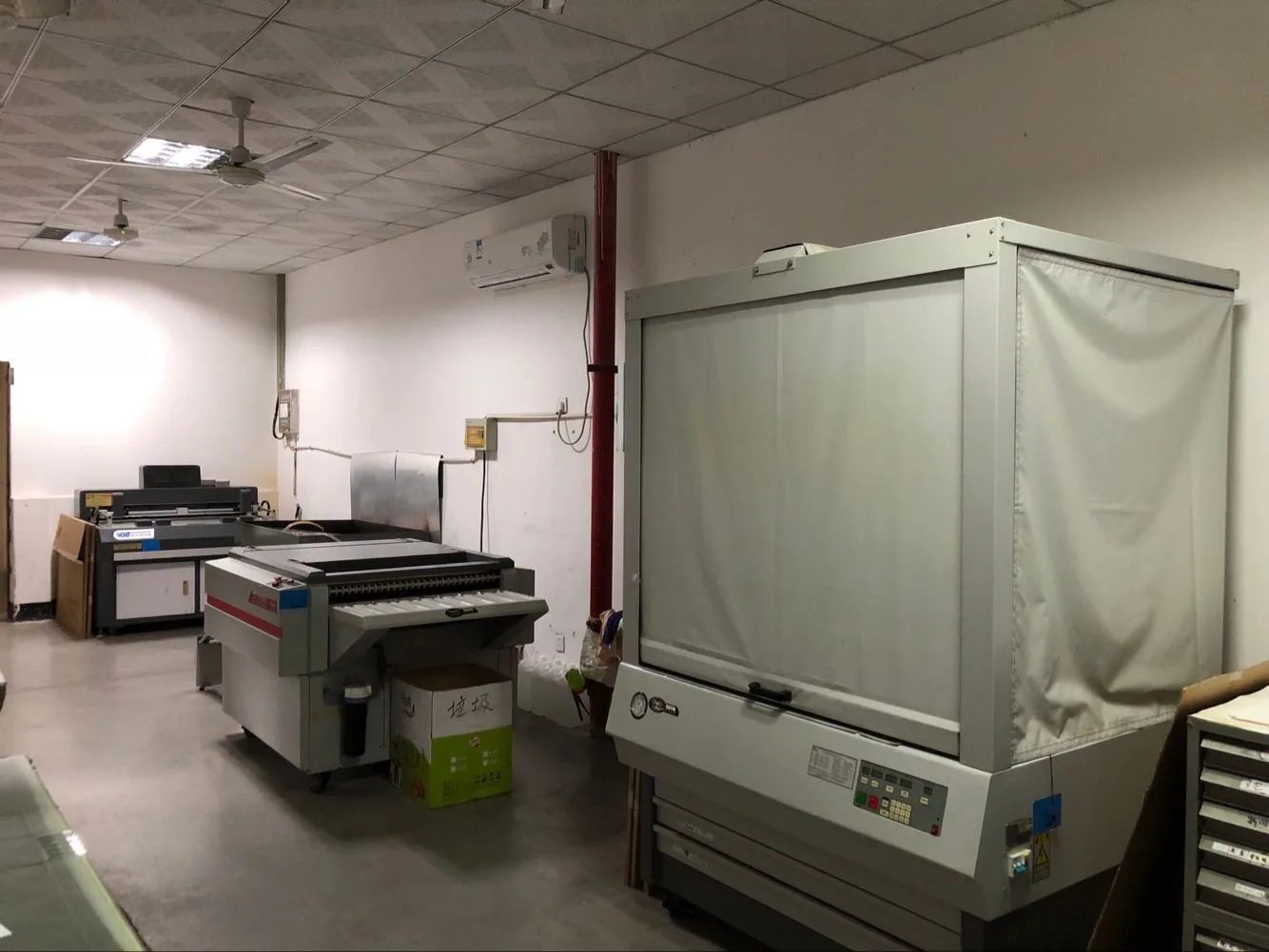
We make every decision traceable in the artwork package
We keep the working file and release file distinct. The working file can hold notes and options. The release file should contain only the agreed content and the required production information. We ask which PDF/X version and color workflow the printer requires. PDF/X is an ISO family for reliable print exchange, but it does not replace a converter's own specifications for board, inks, finishing, trapping, bleed, or imposition. We make the approved copy a controlled source. We record its version and language. We do not copy text from a chat into the final artwork without a review. We also define who owns ingredient, claim, legal, and barcode data. A packaging buyer should not imply that an artwork review is legal approval. We request that the responsible brand or market owner confirms any regulated content before print release.
We show finishes in a clear technical way. A foil area, emboss, spot coating, white underprint, or varnish needs an agreed name and a clear relationship to the print artwork. We ask the converter to confirm its expected layer naming and overprint settings. We do not assume a digital screen proof represents every physical effect. A proof can show layout and approximate placement. A production-equivalent sample is more useful when a finish or exact color controls the purchase decision. We also keep small text and detailed graphics away from areas that bend, glue, or receive a heavy effect. The goal is not to restrict the design. The goal is to turn the intended design into instructions that the prepress team can interpret consistently. When a change arrives, we update the source, the release file, and the approval record together.
| Control | What we provide | What we verify |
|---|---|---|
| Copy source | Approved text and version | No unreviewed wording enters print |
| Color intent | Named reference or approved target | The proof answers the right question |
| Finish layer | Clear area and process instruction | The effect is not hidden in artwork |
| Release PDF | Converter-required format | The file matches the production workflow |
What Should I Approve Before a Cosmetic Carton Prints?
A rushed approval can mix a correct layout with the wrong version, missing barcode area, or untested finish expectation.
We approve a named final file, proof scope, and physical reference. We check panel order, content, barcode space, color direction, finish position, folds, and closure. We record what the proof proves and which production risks still need a sample.
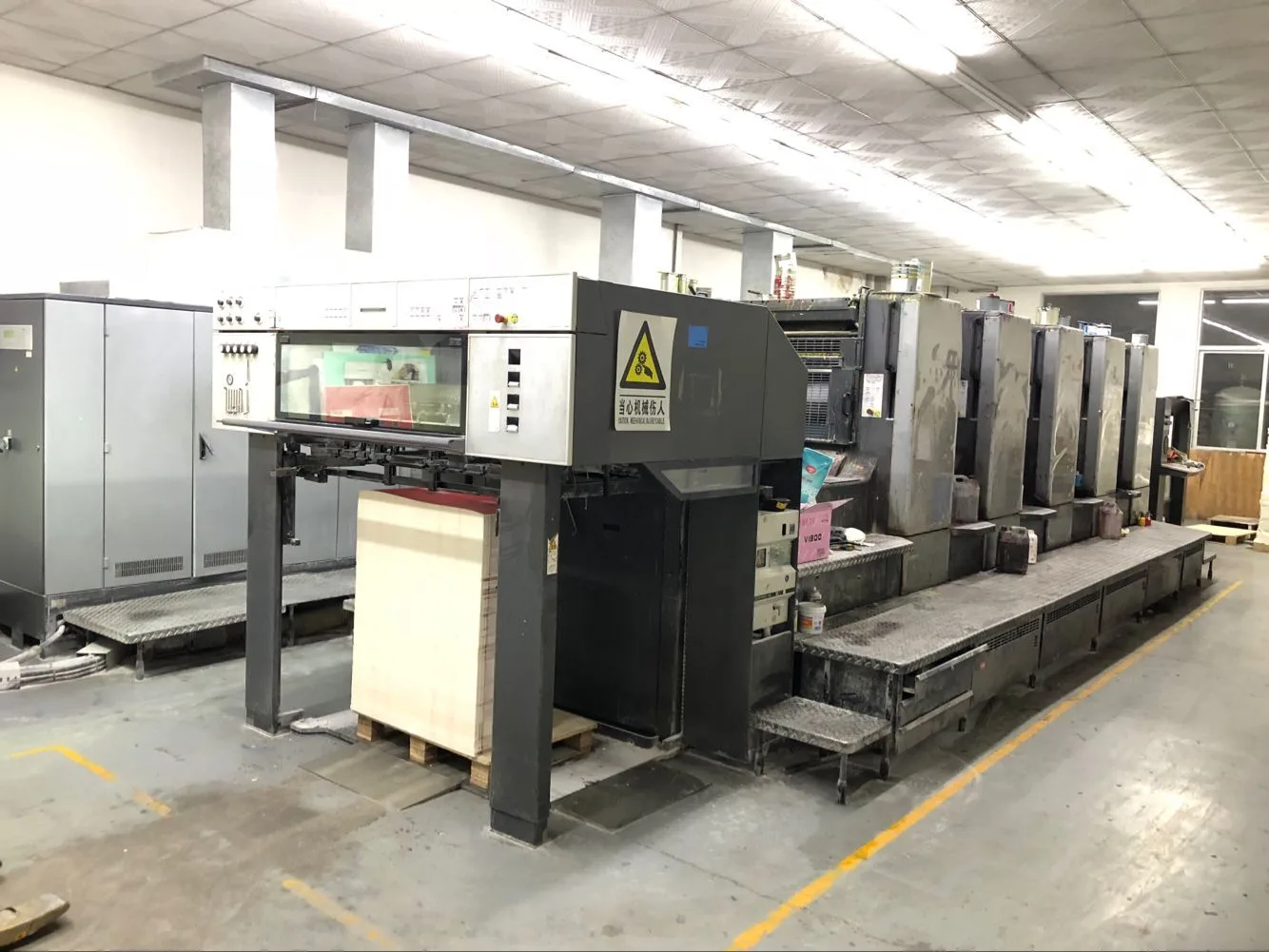
We approve a version and a scope, not a vague visual
We use a simple final review order. We inspect the document name and version first. We compare every panel with the approved copy source. We check the product name, variant, weight or volume, contact details, claim language, symbols, batch area, and barcode position that apply to the project. We then look at the dieline relationship. We make sure the primary display panel is correct when folded, the opening cue is useful, and the glue or score does not disrupt important content. We inspect the finish map last because it depends on stable geometry. We ask the reviewer to state whether the approval covers layout, copy, color direction, finish position, or all of them. This protects the team from using a white dummy to approve color or a screen PDF to approve emboss depth.
We retain the approval evidence with the release file. We save the marked PDF, proof, physical sample photos, comments, and final sign-off in one place. We make a new version whenever the file changes. We do not overwrite a release file with a silent correction. The PDF Association notes that PDF/X files are designed as controlled print-exchange files with defined requirements for fonts, colors, and content. We use a converter's requested PDF/X workflow where it applies, but we still check the practical job information outside the file. The board, finished size, packing orientation, required quantity, and sample route must agree with the artwork release. This small release packet gives the buyer, designer, and converter one shared reference when production questions appear.
| Approval item | Evidence we retain | Decision it supports |
|---|---|---|
| Layout | Marked final PDF | Panel order and information placement |
| Color and finish | Proof or agreed sample | Visual target and effect area |
| Structure | Dieline and folded dummy | Scores, closure, and glue zones |
| Release version | Named final files and sign-off | One production source of truth |
Sources and Related Reading
- 1 Folding cosmetic cartons. Internal carton structure and finishing options.
- 2 Packaging capabilities. Internal prepress, sampling, and production context.
- 3 Start an artwork brief. Internal route for sharing a dieline, files, and open production questions.
- 4 PDF standards. PDF Association overview of PDF/X print-exchange standards.
- 5 Print workflow and metadata. PDF Association resource on packaging processing-step data.
- 6 Reddit prepress discussion. Attributed community insight about submitting packaging artwork for print.
Conclusion
We lock the structure first, control every production layer, and approve one named release with evidence of what it proves.