
Print & Label Clarity guide
How Do We Approve a Cosmetic Carton Barcode Overlabel?
Printed cartons can carry an obsolete or incorrect barcode. A correction sticker can save the stock, but only if it identifies the right item.
We quarantine the affected cartons, confirm the correct item record and retailer permission, then trial an opaque barcode overlabel on a finished carton. We release only the traced lots that pass content, placement, adhesion, and scan checks.
We start with a decision about the stock, then look at the physical label. Both matter. A crisp symbol is little help when it points to the wrong shade or leaves required information covered.
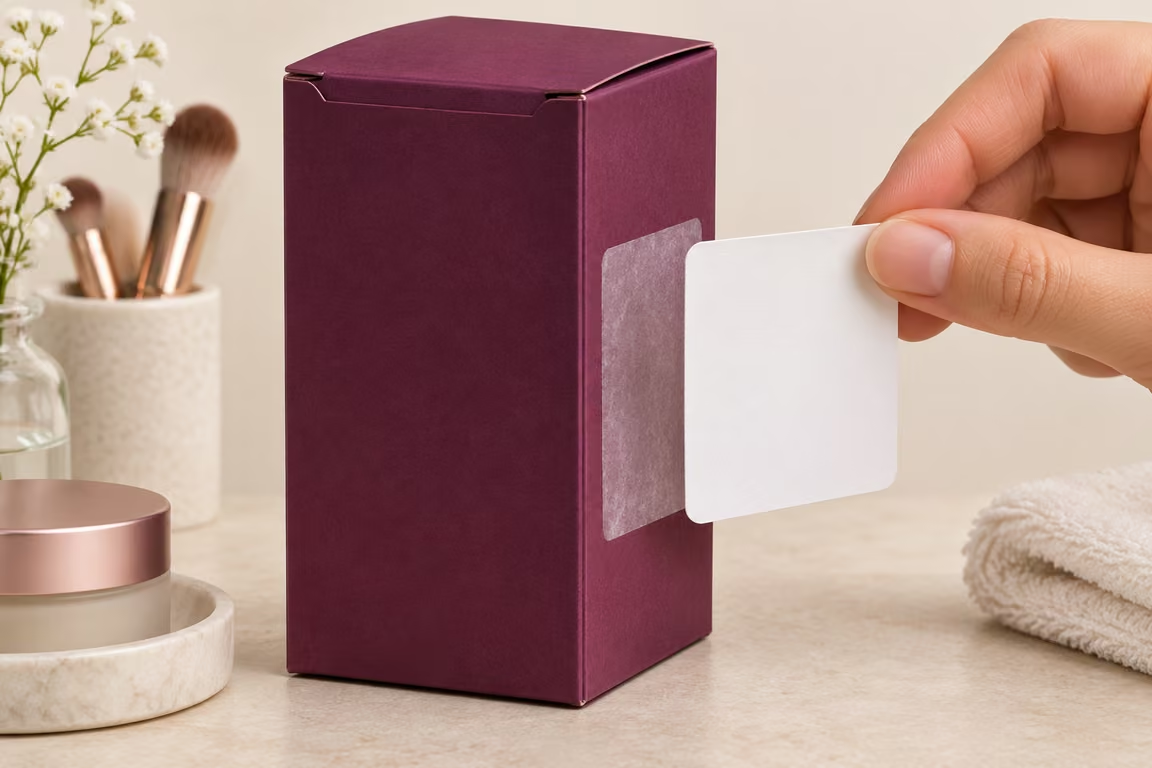
Can We Rework These Cartons or Should We Reprint?
When a launch is close, unused boxes look like a simple salvage job. An old box may carry more changes than the one visible barcode.
We compare the old carton against the approved item and artwork records. We decide whether one label can make the package accurate and readable. If the receiving partner refuses the change or other information would remain wrong, we keep that stock out of the rework plan.

Confirm what the box is meant to identify
We count and separate the stock by carton revision and item. We keep empty cartons apart from any finished goods until we have traced both. We list the code printed on the carton, the intended item code, and the variant names used in the brand and retailer records. We include the pack size and unit of sale. A multipack and an individual unit can have different identifiers even when the same shade sits inside both.
Then we ask why the correction is needed. A damaged print or wrong encoded number on an otherwise correct carton is a different problem from a changed brand, size, or declared content. The GS1 GTIN Management Standard helps decide whether certain trade item changes need a new identifier. We confirm that decision with the brand’s item owner before printing a label. We do not pick the nearest code from another item in the range.
We lay the carton flat and highlight what must stay readable. On US cosmetics, FDA guidance identifies required labeling information and where some elements belong. We ask the brand’s labeling owner to review the real panel for the intended market and product. If a correction label covers other needed content or the original art is also wrong, we stop and evaluate a different rework or a reprint.
We ask the retail partner to approve the rework where its rules require it. We provide photos and the proposed item record so the request is concrete. A Reddit post in r/Ulta about a product marked as a tester included confusion about how it scanned. We use it as a reminder to make the finished retail item unambiguous.
Sources for this section: GS1 GTIN Management Standard1, FDA cosmetics labeling summary2, Reddit discussion about a tester-marked product3
| Stock condition | First decision | Evidence |
|---|---|---|
| Correct carton apart from a symbol error | Consider rework | Approved art and correct item record |
| Different item or market art | Hold for review | Brand and labeling owner decision |
| No usable flat label area | Review alternative or reprint | Full-size carton proof |
Will the Correction Cover the Old Symbol and Stay Put?
A new label can look opaque on its liner and reveal the previous bars after it lands. A crease can also lift an edge.
We trial the actual label stock on the finished carton. We check that the old symbol is hidden, the new symbol has a clear border, and the adhesive stays flat through the intended handling. We verify the printed symbol under the channel’s agreed criteria.
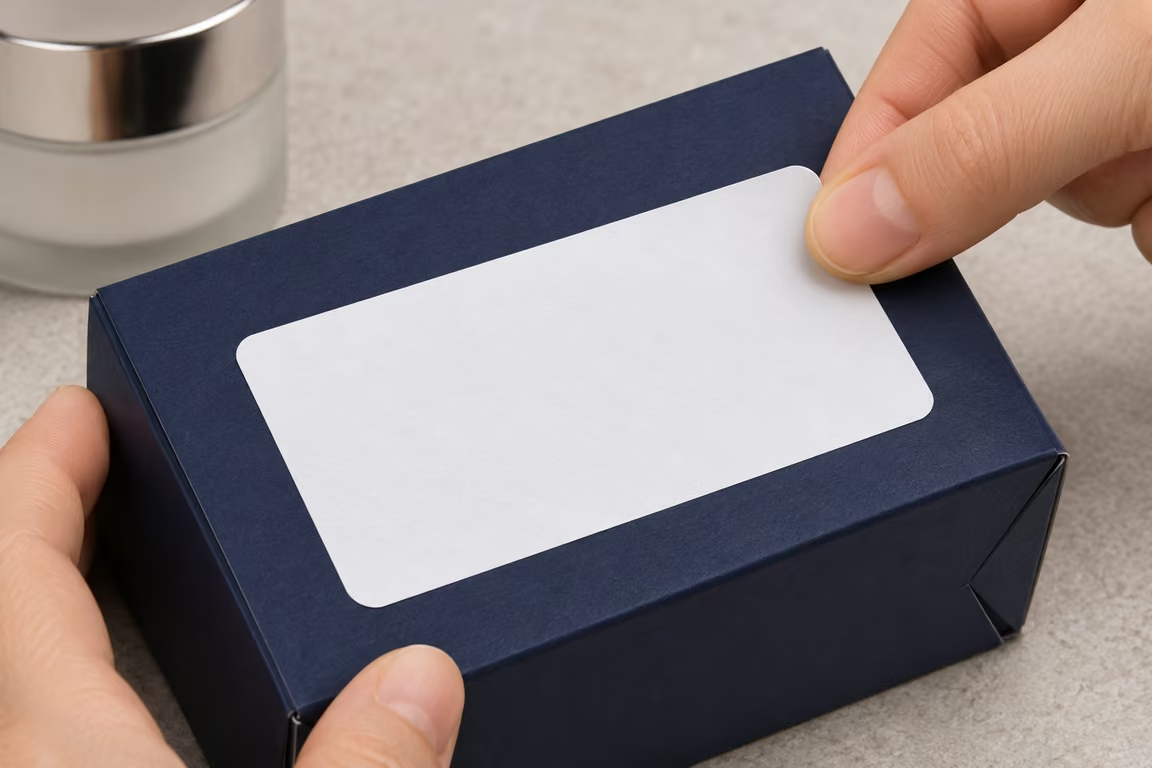
Use the board and finish from production
We take samples from the affected carton stock, including any meaningful finish or coating differences. We apply the proposed label at the normal bench with the tools the operator will have. We check the placement at the expected extremes so that a small placement drift cannot leave part of the old symbol exposed. We also try scanning from several useful angles to see whether another printed symbol remains active on the same package.
GS1 US barcode guidance explains why print contrast, adequate dimensions, and clear space matter. We choose the symbol and printing settings with the person responsible for barcode quality. We do not squeeze it to fit the corner. A larger label may cover the original symbol more comfortably, but we use it only if the extra area is clear of information the buyer must still see.
We look for lift at corners after the pack is handled, put into a case, and taken out again. We check a second time after the agreed hold and storage conditions. A matte film, textured paper, or coated board may call for a different label choice, so we judge the whole construction. We ask the label supplier which materials it intends to use and record the exact stock in the trial record.
We run a scan and compare the decoded value with the expected item. If the customer requires symbol verification, we arrange that separately under its chosen criteria. A scan on a phone is a useful bench check, but it does not tell us the grade or whether the customer’s register will retrieve the right item record.
Sources for this section: GS1 US barcode placement and printing guidance4, Finer Pack guide to verifying barcodes5
| Check | Trial setup | Stop condition |
|---|---|---|
| Coverage | Apply over the old symbol at placement limits | Old code can still be read |
| Readability | Use final print, size, and background | New symbol fails agreed checks |
| Adhesion | Handle as packed and stored | Edge lift, movement, or visible damage |
How Do We Keep Corrected and Uncorrected Stock Apart?
If a new and old carton return to the same bin, an approved sample cannot tell us which version actually reaches the shelf.
We issue a rework instruction for one item and revision at a time. We clear the bench between items, reconcile cartons and labels, and confirm the finished units against the correct item record before moving them into saleable stock.
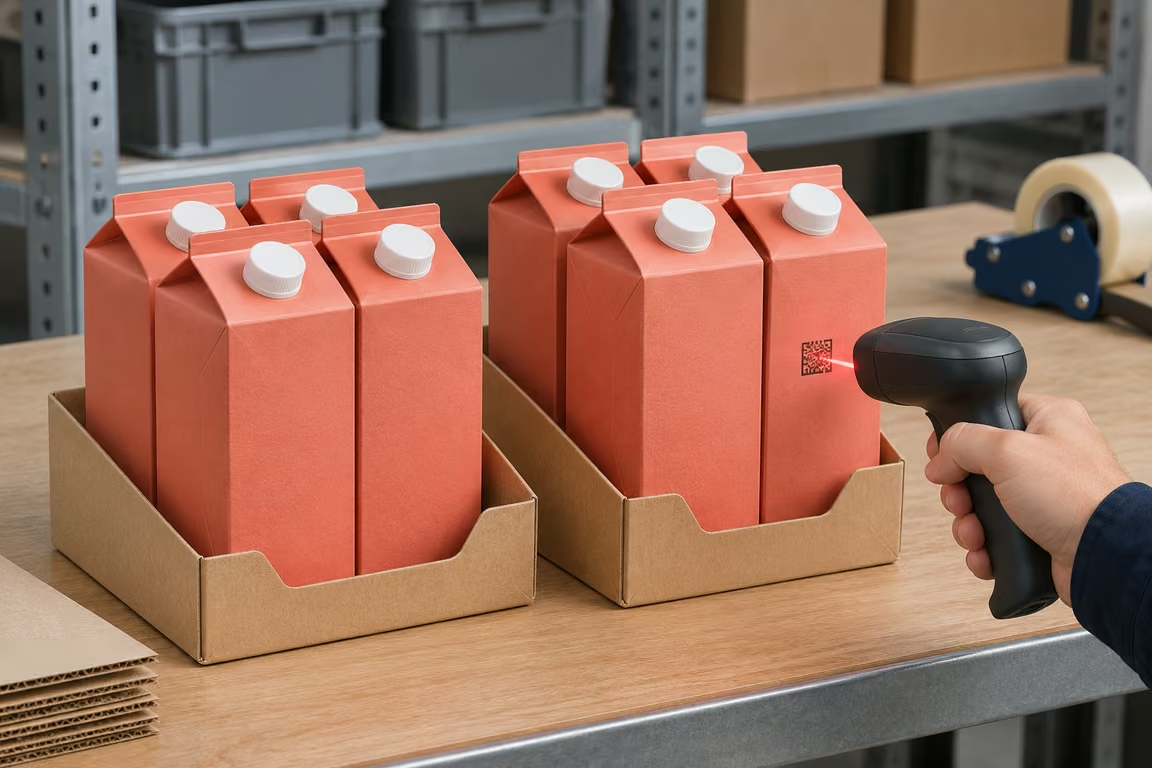
Give the warehouse a release record it can use
We mark the work order with the affected carton lot and the allowed label revision. We use a photo of the right position and the maximum drift allowed by the trial. The operator has an example of an unacceptable label as well as a good one. This can be as simple as a rejected sample with the edge of the old code still visible. We keep rejects out of both finished stock and unused carton stock.
At the start of each work order, we compare the first corrected piece against the actual shade or product going into it. We scan it and compare the result with the approved record. If the warehouse uses an internal code and the retailer uses a different system, we check both workflows as applicable. We also verify that any other scannable mark left on the carton serves the intended purpose.
We agree on the checks during the run and at closeout with the quality owner. A tally can show how many cartons were issued, corrected, held, or scrapped and how many labels remain. When the totals cannot be reconciled or the wrong label is found, we hold the relevant units and trace back to the last documented check. A carton from a different revision should not enter the job because it happens to look similar.
Finally, we update the print files or purchasing order that caused the rework. We ask the printer to confirm the correct symbol against the next proof. The purpose of the overlabel record is to release a known group of cartons and prevent the same issue from returning in the next print run.
Sources for this section: Finer Pack guide to cosmetic variant packing6
| Stage | Warehouse check | Release evidence |
|---|---|---|
| Start | Match stock and label revision | First-piece photo and decoded value |
| Run | Separate unchecked work from verified units | Checks and held quantities |
| Close | Reconcile stock and remaining labels | Signed lot release or hold |
Sources and Related Reading
- 1 GS1 GTIN Management Standard. Criteria for deciding when a trade item needs a new identifier.
- 2 FDA cosmetics labeling summary. US labeling topics and placement for required information.
- 3 Reddit discussion about a tester-marked product. One reported shopping experience with ambiguous product markings.
- 4 GS1 US barcode placement and printing guidance. Reference for contrast, dimensions and clear space.
- 5 Finer Pack guide to verifying barcodes. Review symbol quality on the finished pack.
- 6 Finer Pack guide to cosmetic variant packing. Keep similar variants and artwork revisions distinct at the bench.
Conclusion
We release corrected cartons only when the new code, the visible information, and the reworked lot can all be traced to the approved item.