
Refill systems guide
How Do I Design a Refillable Cosmetic Packaging System?
A refillable launch can disappoint when the outer case, cartridge, formula protection, and refill supply were never designed as one system.
We design refillable cosmetic packaging as a documented system. We define the reusable outer pack, the replacement unit, the lock and dispense path, the user steps, and the refill availability plan. We approve only the claims that this complete system can support.
We use these three questions to turn a reusable-pack idea into a practical brief that a brand, component supplier, and converter can sample together.
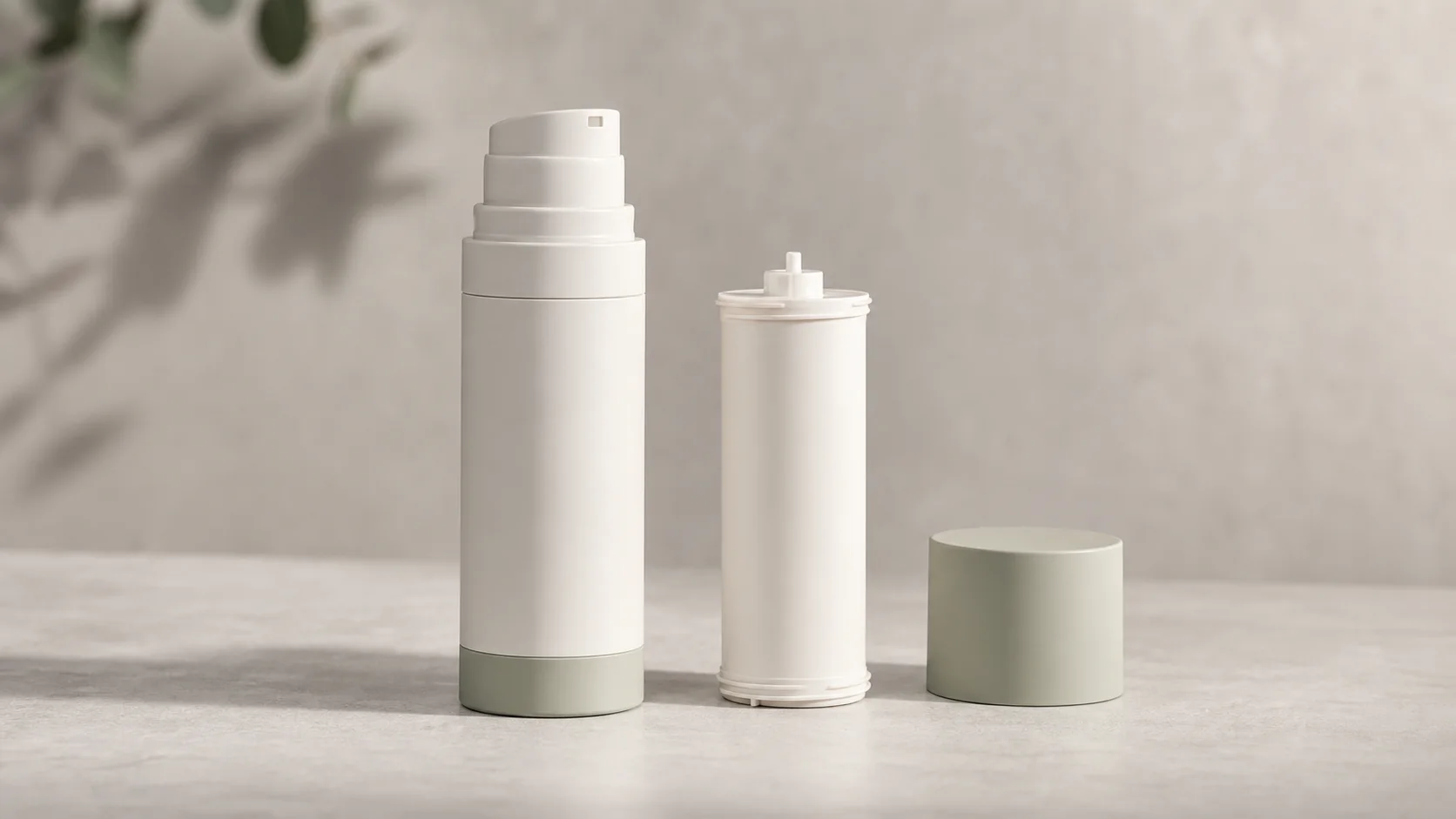
What Exactly Is Reused and Refilled?
A bottle can look refillable while the pump, cartridge, lock, and outer shell have no agreed role or replacement path.
We define the system boundary first. We list the durable outer case, dispensing part, refill cartridge, cap, label, and secondary pack. We then state which parts stay with the customer, which parts are replaced, and what makes one refill compatible with one parent pack.
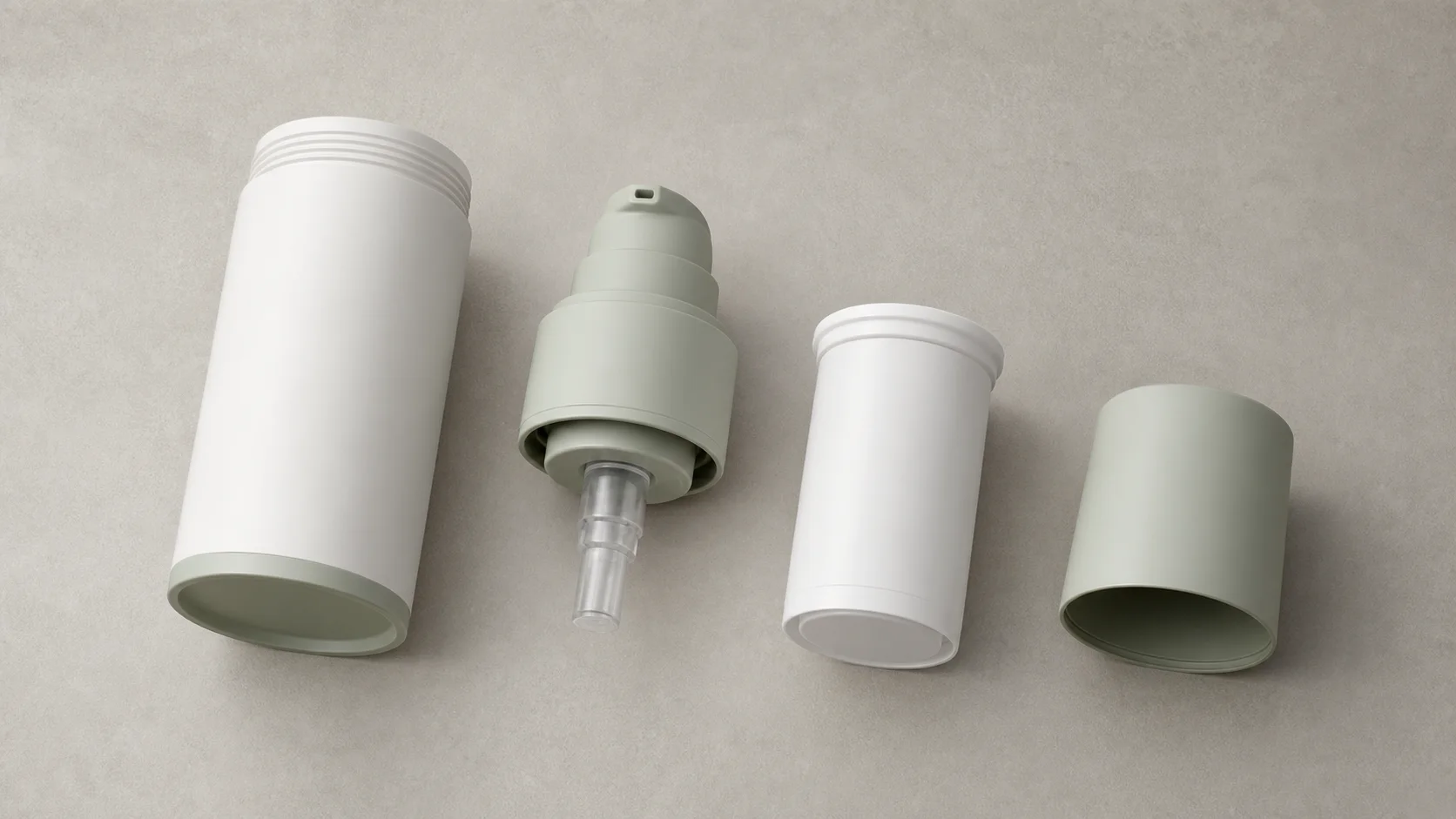
We write a component map before we draw a sustainability claim
We begin with the item that the customer keeps. We describe its material, finish, expected handling, opening direction, and visible parts. We then list every component that arrives in a refill. A refill may be a pouch, bottle, cartridge, pan, pod, or other defined unit. We do not call a pack refillable because a team can technically open it. We need a planned replacement action that uses a specified refill. We also identify the dispensing path. An airless pump, a jar, a dropper, and a simple cap create different risks and user actions. The outer case may stay with the customer while the cartridge and pump motor change together. Another system may retain the pump and replace only an inner bottle. Neither option is automatically better. We compare them against the formula, desired life of the outer pack, refill format, and ability to assemble without damage. Aptar describes one reloadable airless design that places a new motor in each refill cartridge. We use examples like that to ask a clear question: which part must be renewed to protect the formula and deliver the intended use? We record the answer in the bill of materials, not only in a campaign deck.
We also define the compatibility rule. The refill must fit the intended parent pack, but fit alone is not enough. We note the cartridge diameter, height, keying feature, thread or snap relationship, lock position, pump interface, cap relationship, and any visual orientation cue. We give each refill and outer pack a version or part code in the brief. This protects against a later situation where a new refill resembles the old one but does not lock, seal, or dispense as intended. The current EU Ecolabel criteria for cosmetic products promote refillable packaging and use assessment and verification requirements. We treat that as a useful discipline rather than a generic badge: we keep a clear description of the refill system, including the refill type and volume, when we need to explain the system. We also state what is outside the claim. A reusable outer shell does not prove that every component is reusable, recyclable, or lower impact. Clear scope gives the design team room to build a simple visual system while giving the buyer a precise approval target.
| System part | What we define | Decision risk |
|---|---|---|
| Outer pack | Expected retained life and opening method | A decorative case with no practical refill path |
| Refill unit | Format, volume, and interface | A replacement that only looks compatible |
| Dispense path | Pump, valve, closure, or aperture role | Formula exposure or poor use experience |
| Compatibility rule | Key, lock, dimensions, and version | A later refill that cannot assemble safely |
How Do I Test Refill Compatibility and Use?
A clean render cannot show whether a customer can remove the cartridge, lock the replacement, prime the pump, and close the pack correctly.
We test the real parent pack and refill as one action sequence. We check removal, insertion, lock feedback, closure, dispensing, leakage risk, appearance, and the condition of the outer pack after repeated handling. We approve only the test conditions that the sample actually represents.
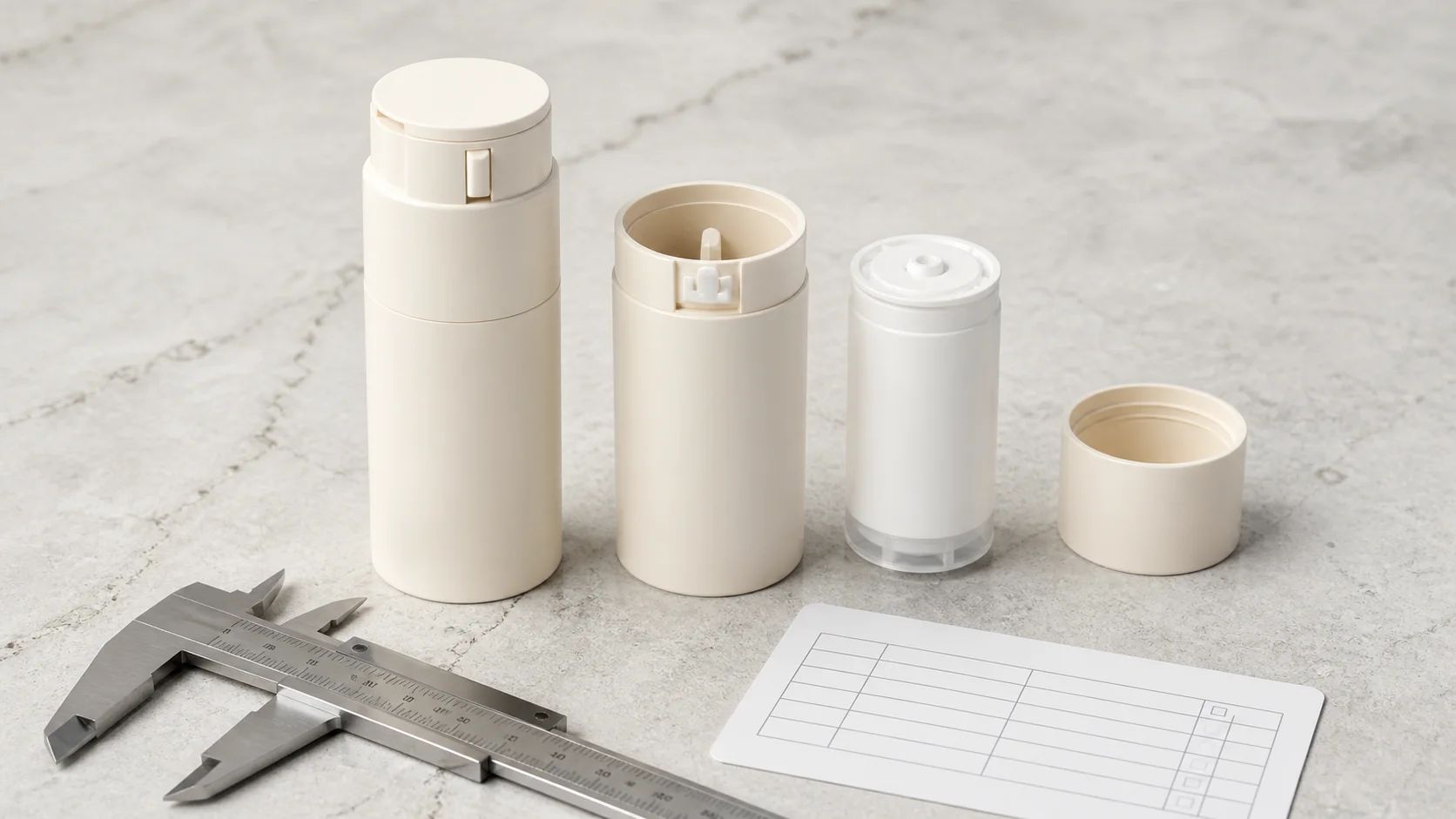
We test the customer sequence from sealed refill to finished use
We begin with the product and user path. We ask someone who did not design the pack to identify the refill, open the outer case, remove the spent unit, place the new unit, secure it, close the pack, and use the product. We watch for unclear orientation, sharp edges, loose parts, trapped fingers, and steps that need excessive force. We also check the visual result after assembly. A premium outer case can look misaligned if a cartridge sits too low or if a cap does not return to the same position. We keep the test sample tied to its component versions. We do not let a generic empty cartridge prove that the filled component will behave the same way. The formula owner should define any formula-specific compatibility, stability, filling, or leakage checks that the product requires. We do not invent a universal pass condition for cosmetics. We document the basic packaging observations separately from any technical product test. This makes the approval honest: the sample may prove fit and user handling, while a different agreed test may be needed to prove formula performance.
We repeat the review under the handling that matters for the launch. We inspect the refill's protective seal, the parent pack's closure, and the assembled item after normal opening and closing. We look for scuffs on the outer case, damage to a cartridge rim, a cap that traps a component, and a pump or closure that changes feel after replacement. We also check the information that helps the customer choose the right refill. The refill package needs a visible way to connect it to the compatible parent pack without making a broad environmental promise. A clear product name, shade or formula identifier, volume, and version reference can reduce the chance of buying the wrong unit. We use simple physical references during the review: a caliper for critical fit points, a dated sample record, photos of the assembled state, and a short issue list. We change one cause at a time where possible. If the lock changes, we retest the cartridge and cap. If the refill volume changes, we retest the parent fit and user sequence. This is slower than approving a render, but it keeps the system from relying on assumptions that only appear after launch.
| Test moment | What we inspect | What it can prove |
|---|---|---|
| Remove | Access, grip, and spent-unit release | Whether the user can begin the refill action |
| Insert and lock | Orientation, fit, and feedback | Whether the named refill fits the named outer pack |
| Close and dispense | Cap, pump, valve, or aperture | Basic assembled use under the sampled condition |
| Repeat handling | Scuffing, looseness, and alignment | How the reusable exterior responds to normal use |
How Do I Keep Refills Available and Claims Precise?
A reusable case loses value when compatible refills disappear, change without notice, or carry language that promises more than the system can show.
We plan the refill offer with the parent pack. We identify the compatible refill, volume, market, expected availability, and customer guidance. We keep refill, reuse, recycled-content, and recyclability statements separate, and we narrow every message to the records and market rules that support it.
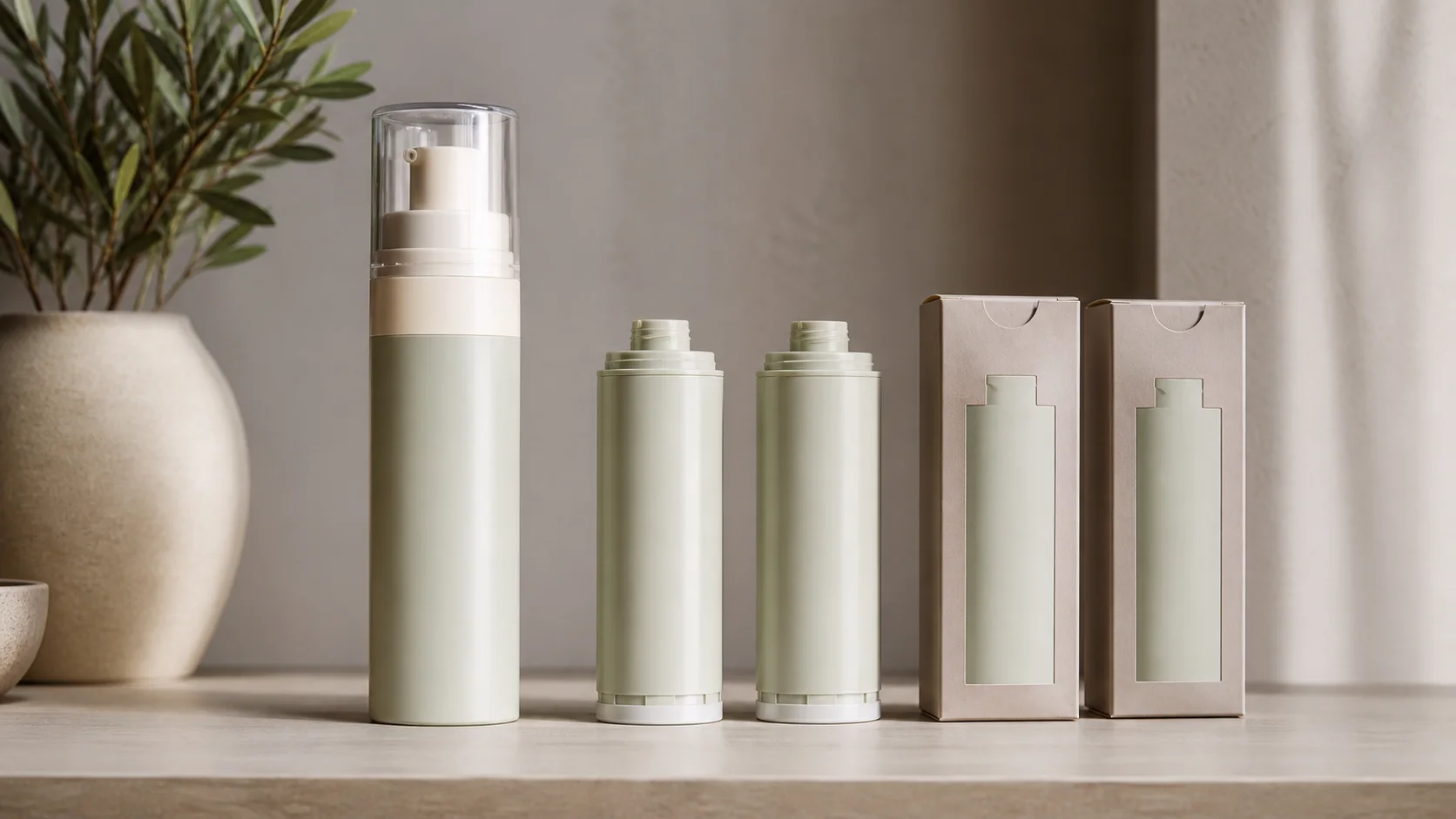
We treat availability and wording as product requirements
We put refill continuity in the launch brief. We name the parent pack, each compatible refill, volume, selling market, and planned replenishment channel. We ask the brand owner to decide how customers will find the refill after the first purchase. That could mean a product page, retailer listing, in-store fixture, subscription route, or a clear reference on the outer pack. We do not assume that a launch kit proves a durable refill offer. Community feedback on Reddit makes the practical point clearly: some users object when a brand sells an expensive refillable case but does not keep compatible refills available or changes the refill format. We use that as attributed customer perspective, not as evidence of market size or environmental performance. It is still useful design input. We ask whether the customer can identify the correct refill, whether the size remains consistent, and how a change will be communicated. If the company cannot answer those questions, we avoid building the launch message around a long-term refill promise.
We then separate the words that often get bundled together. Refillable describes a replacement path. Reusable describes continued use of a component. Recycled content describes a material input. Recyclability depends on the component, local collection and sorting conditions, and market guidance. We do not let one of these phrases stand in for the others. The European Commission says that the Packaging and Packaging Waste Regulation entered into force in 2025 and generally applies from 12 August 2026. That is market context, not a universal product claim or a substitute for a legal review in the sales market. We keep the system description, component records, artwork version, and approved wording together. If a supplier changes a cartridge, pump, material, label, or refill source, we reopen the relevant review. We also give the buyer a modest fallback. If a refill will be delayed or restricted to one market, we do not hide that constraint behind a global graphic. We would rather make a narrower, supportable statement and keep the customer informed than use a broad claim that the system cannot maintain.
| Launch record | Question we answer | Claim or service risk |
|---|---|---|
| Compatibility list | Which refill fits which parent pack? | Customers buying an incompatible replacement |
| Availability plan | Where and for how long is the refill offered? | A reusable case with no practical replenishment |
| Component evidence | What is reused or replaced? | Calling the whole pack reusable without scope |
| Approved wording | What does the claim say in this market? | Combining refillable, recycled, and recyclable claims |
Sources and Related Reading
- 1 Premium paperboard cartons. Internal options for the secondary carton that can identify and protect a refill or parent pack.
- 2 Finer Pack capabilities. Internal sampling and packaging-development context.
- 3 Start a refill-system brief. Internal route for sharing product, component, market, and refill questions.
- 4 EU Ecolabel cosmetic-product criteria. Official EU criteria that promote refillable packaging and define assessment and verification context.
- 5 Aptar Gaia reloadable airless. First-party example of a reloadable airless system with a refill-specific protection design.
- 6 Reddit refillable-packaging discussion. Attributed community discussion about refill availability and customer experience; not a factual authority.
Conclusion
We define the refill system precisely, test the real user sequence, and keep availability and claims tied to the components and markets we can support.