
Sourcing & Launch Costs guide
How Do I Plan Small-Batch Cosmetic Boxes Across Several SKUs?
A small launch can become a large packaging commitment when every variant needs a separate setup. We need a plan before we compare prices.
We plan a small cosmetic-box launch by separating shared structure from variant artwork, listing quantities by SKU and comparing complete cost bases. We review stock-plus-branding and custom options where suitable. We confirm minimums, samples and delivery terms for the exact proposal.
We use three questions to keep the launch brief practical while protecting the information that distinguishes each product.
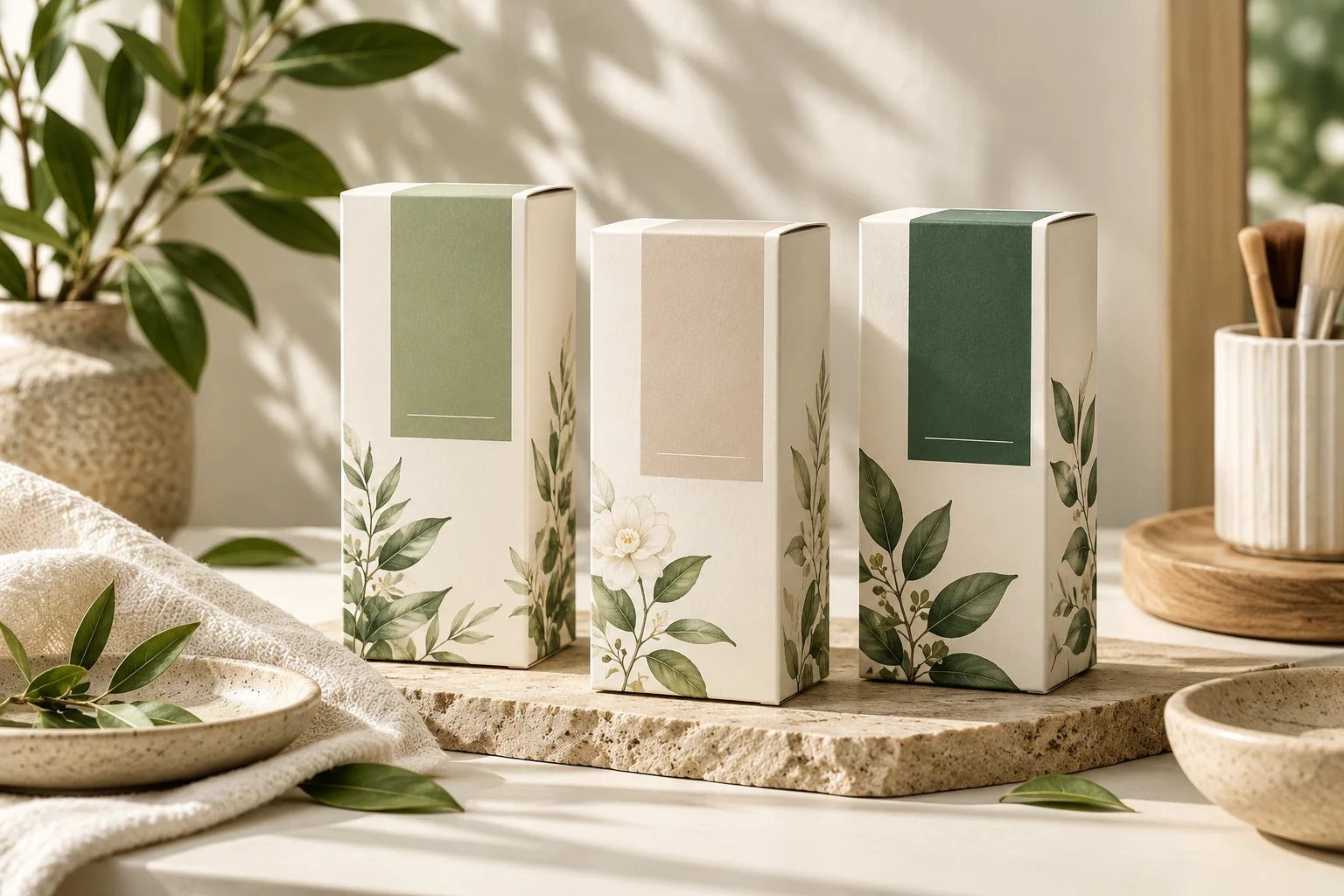
Which Parts of My Carton Can Several SKUs Share?
We can save one setup and create a packing mistake. We need to separate useful common parts from product-specific requirements.
We share carton geometry only when the filled products and packing requirements fit the same approved structure. We keep variant names, approved label copy and product identifiers distinct. We compare the largest container, weight and access needs before we propose a common dieline.
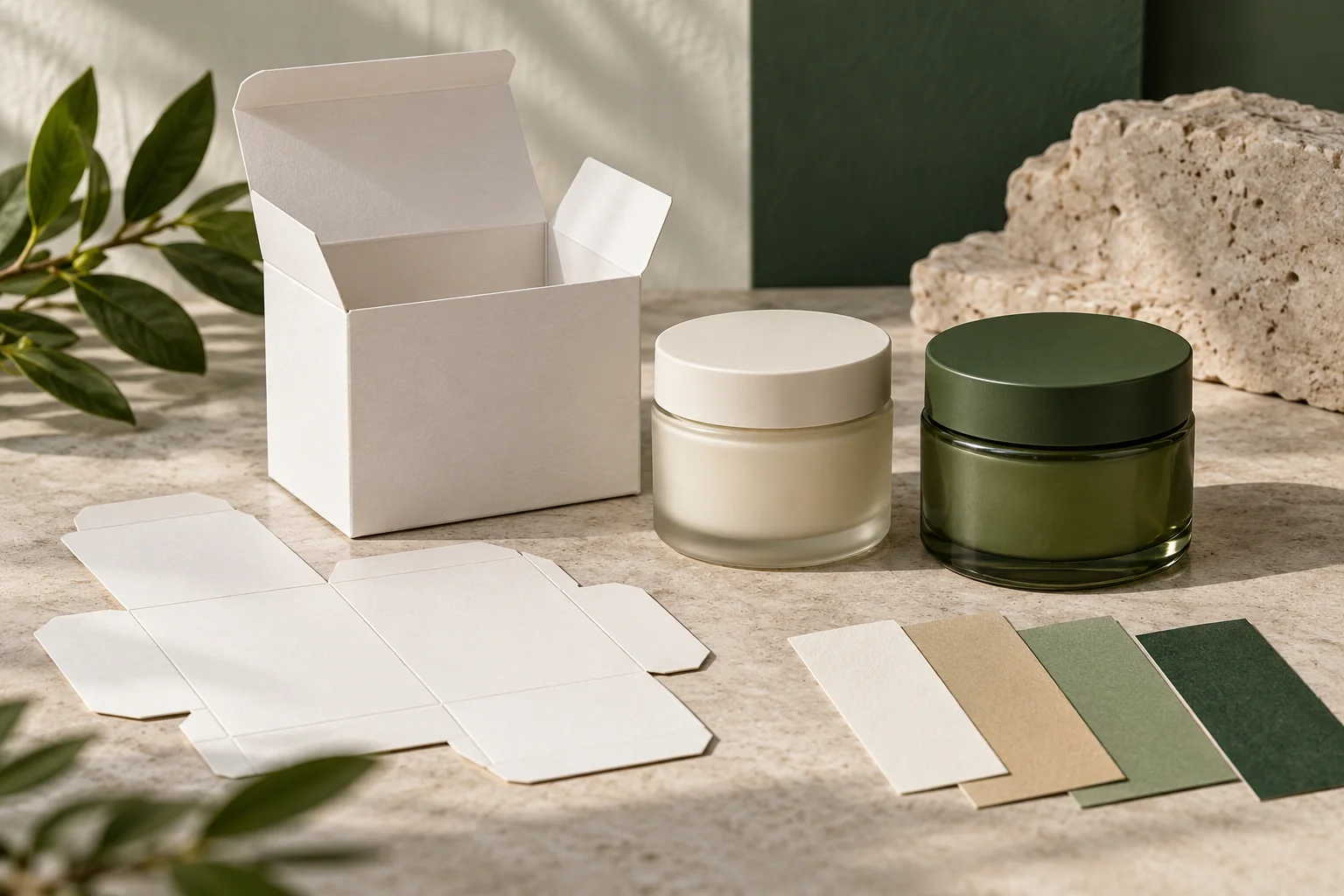
We build a range map before the artwork
We start with a list of the products in the launch. We write the filled dimensions, weight, closure type and planned quantity for each SKU. We note where the containers are truly the same and where they only look similar. We also record different delivery channels or gift uses. We cannot choose a common carton from a shared logo alone. We need the physical requirements and the information requirements on the same range map.
We then ask which structural parts can be shared. We can review the same outer geometry for containers with compatible envelopes, but we do not assume the same insert fits every item. We check the tallest cap, the widest shoulder and the heaviest filled product. We ask whether the common format leaves one item loose or difficult to remove. We use a sample for each relevant product configuration. We would separate structures if a shared cavity creates an avoidable fit problem.
We treat artwork as a related but distinct decision. We can keep a common layout while changing the product name, variant and approved information. We check which print layers and finishes are the same and which need separate handling. We ask the supplier to explain the setup basis in the quote. We do not call a shared dieline a promise of identical unit costs. We need the quantity split and production method to understand what can actually be shared.
We also think about packing errors. We keep a clear way to match the carton to the filled product. We use words, product references and the required identifiers, rather than color alone. We ask how the team will separate similar cartons during assembly. We read GSC interest in folding cartons and custom quotes as evidence of relevant questions, not proof that our own shared format will sell. We make the range map a practical input for the packaging proposal.
Sources for this section: Finer Pack folding cartons4
| Decision | What we check | Approval record |
|---|---|---|
| Common structure | Size, weight and closure compatibility | SKU fit matrix |
| Variant information | Name, approved copy and identifiers | Artwork version list |
| Packing | Carton-to-product match | Range handling plan |
When Should I Compare Stock Boxes With Custom Cartons?
We may pay for a custom format before demand is clear. We need options that match the launch stage and the product.
We compare stock boxes with added branding and fully custom cartons against fit, label space, packing work and reorder needs. We ask for samples and complete terms for each option. We do not assume stock is always cheaper or custom always requires the same minimum.
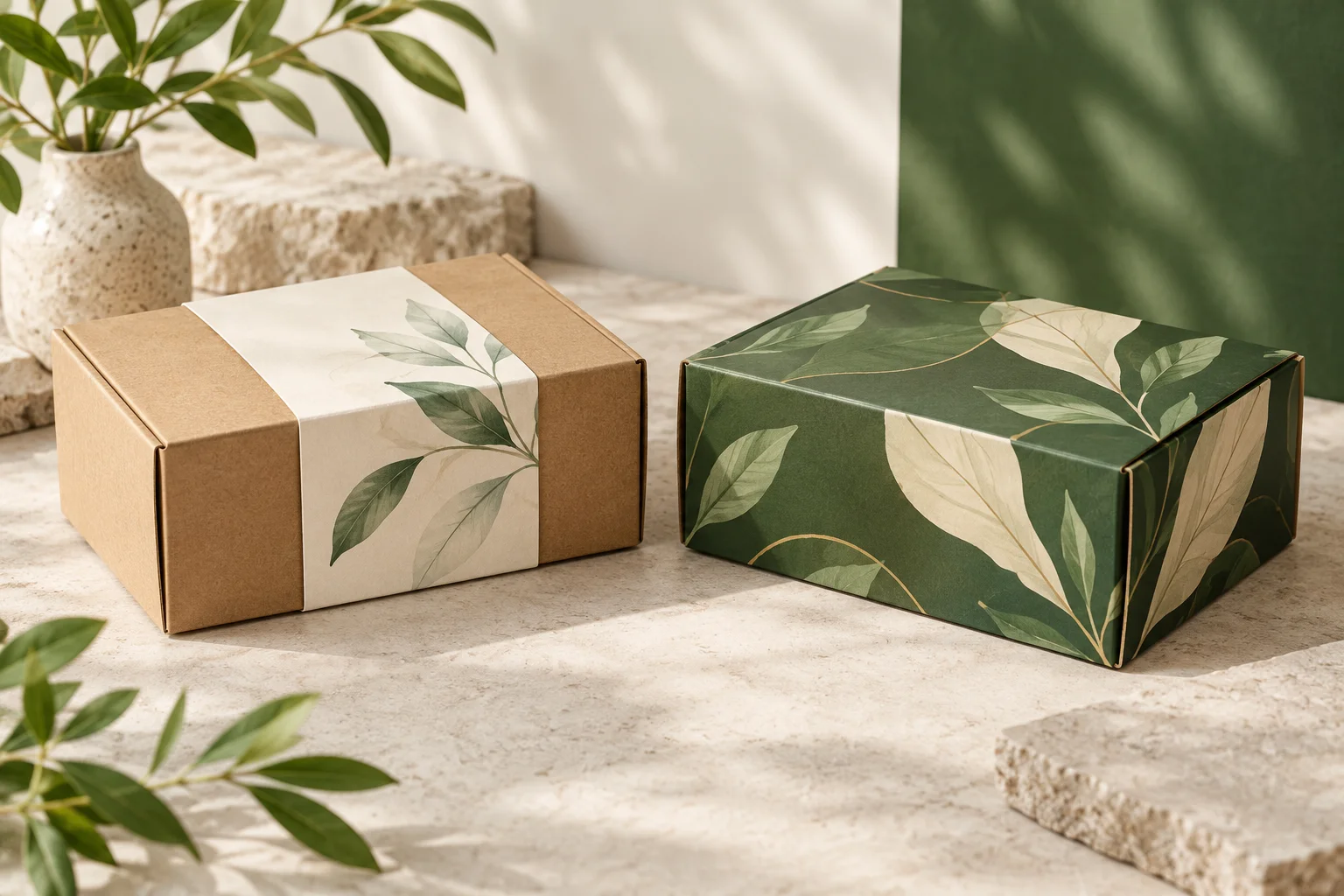
We compare the work behind the pack
We first ask what the launch needs to learn. We may need a small retail test, a photographed gift offer or a sample set for buyers. We keep that purpose separate from the final long-term packaging vision. We consider a stock carton with an appropriate label or sleeve if it can meet the product and information requirements. We also consider a custom carton where stock sizes or panel layouts do not work. We do not select an option solely because it sounds suitable for small businesses.
We compare the work each option creates. We ask who applies the label or sleeve, how it is positioned and whether it adds a packing step. We review fit and the finished appearance with the product inside. We also check whether the branding layer hides an identifier or creates confusion between variants. We include those tasks in the cost review. A lower empty-box price can come with work that matters to a small fulfilment team.
We use Shopify’s packaging guide as a general reference for comparing unbranded and custom-branded approaches. We avoid copying its example costs into our own quote. We need supplier terms for the specific size, artwork and quantity. We also read a Reddit small-business discussion about minimum order concerns. The thread includes primary jars as well as custom packaging, so we keep its lesson narrow: we must ask which minimum applies to which component and customization level.
We plan the next version before we approve the first one. We ask whether the structure can be reused if the artwork changes. We review how a later product addition might affect the layout. We do not order a large batch only to obtain a better quoted unit price. We weigh the commitment against the launch’s confirmed requirements. We use a sample to check the option we actually intend to buy, and we record which design decisions remain open for later orders.
Sources for this section: Shopify packaging guide1, Reddit small-business packaging question3
| Decision | What we check | Approval record |
|---|---|---|
| Stock plus branding | Fit, label space and added labor | Completed branded sample |
| Custom carton | Dieline, artwork and setup | Specification-based quote |
| Next order | Range changes and remaining stock | Reorder plan |
How Do I Compare Launch Costs Without Chasing a Headline MOQ?
A low minimum can hide separate charges or SKU limits. We need the full commitment before we place an order.
We compare quantities by SKU, one-time setup, sample costs, unit prices, packing, freight and delivery terms on the same basis. We ask what happens when quantities or artwork change. We confirm the proposed minimum instead of treating a listing value as a binding offer.
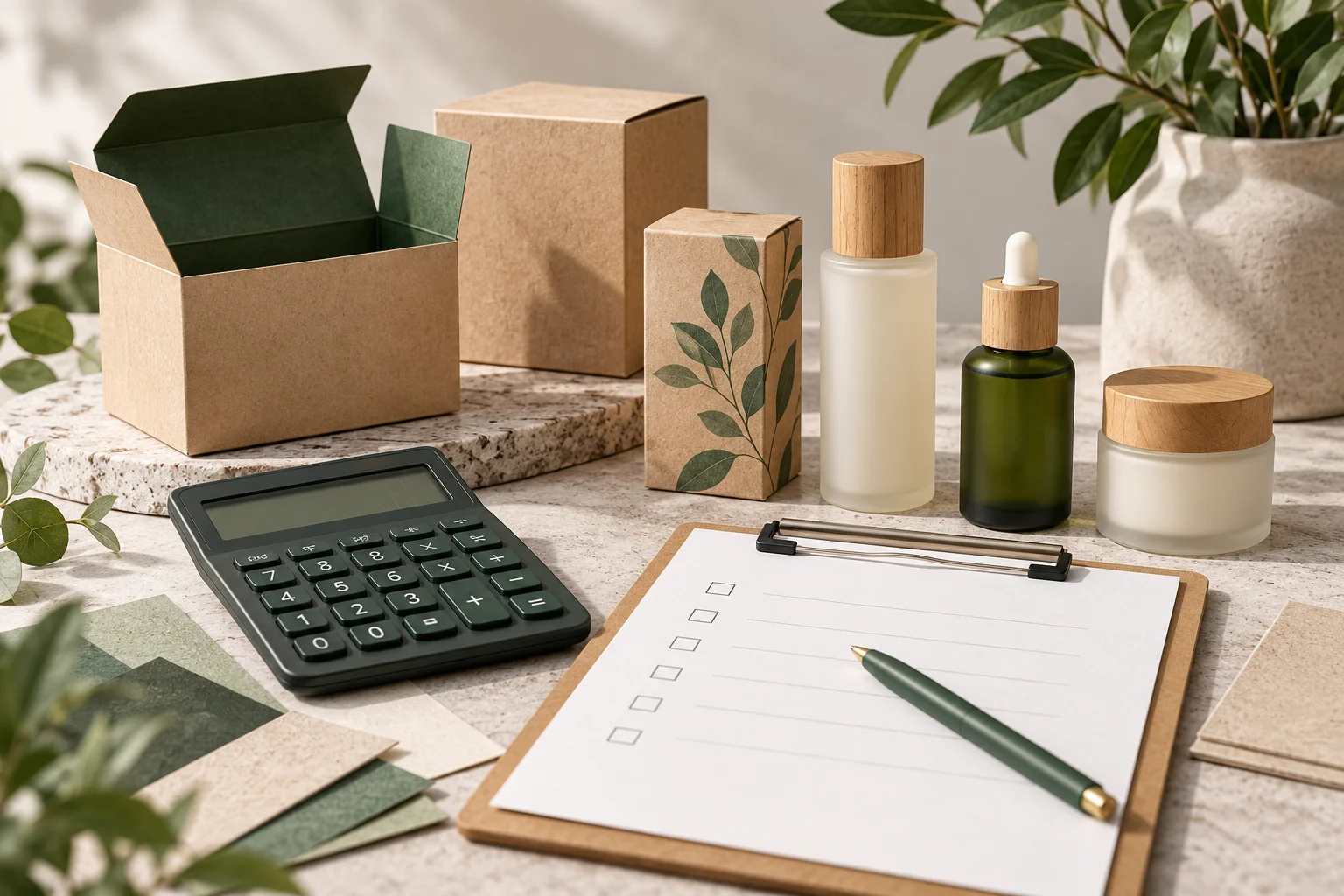
We separate the price from the commitment
We begin with the quantity split. We state how many cartons we want for each SKU and which versions share structure or artwork elements. We ask whether the supplier’s minimum applies to the total order, each printed version or another part of the production process. We do not assume the same rule from one product listing to another. We want the proposal to name the exact order mix, rather than leave the split for later messages.
We then separate one-time costs from repeat costs. We ask about structural development, samples, tooling and the selected print or finish setup. We also ask which costs recur when we reorder or change the artwork. We request the unit price on the agreed quantity basis and note what is included. We check how cartons will be supplied and packed. We cannot compare an assembled gift box with a flat carton only by the displayed per-piece number.
We add delivery and internal work to the review. We ask for freight and delivery terms that fit the destination and timing. We include any labeling, assembly or storage tasks our team must perform. We use the SBA's startup-cost planning guidance to keep inventory and supplies in the wider launch budget. We do not turn a general startup checklist into a precise packaging cost model. We build the model from our own approved inputs and quotes.
We finish by checking the commitment if the launch changes. We ask whether the quantities can be revised before production and what approval locks the specification. We note the risk of unused version-specific packaging if demand shifts. We compare that risk with the value of a better fit or a stronger presentation. We use Finer Pack’s contact brief to provide the SKU matrix and open questions. We want the final decision to reflect the complete order, not only a low minimum printed on a card.
Sources for this section: SBA business planning2, Finer Pack project brief5
| Decision | What we check | Approval record |
|---|---|---|
| Quantity | Total and per-artwork minimums | Confirmed SKU split |
| Costs | Setup, samples, units and packing | Itemized comparable quote |
| Delivery | Destination, freight and timing | Agreed terms |
Sources and Related Reading
- 1 Shopify packaging guide. Platform-owned overview of stock and branded packaging; its example prices are not Finer Pack quotes.
- 2 SBA business planning. Primary small-business guidance on startup costs and inventory planning.
- 3 Reddit small-business packaging question. Community minimum-order concern that includes primary jars; not a universal carton MOQ.
- 4 Finer Pack folding cartons. Internal structure and specification options.
- 5 Finer Pack project brief. Internal route to a SKU-specific quotation.
Conclusion
We keep a small launch practical by mapping SKUs, comparing complete options and confirming the exact quantity and cost basis before production.