
Manufacturing and quality planning
Custom Cosmetic Packaging Manufacturing Process
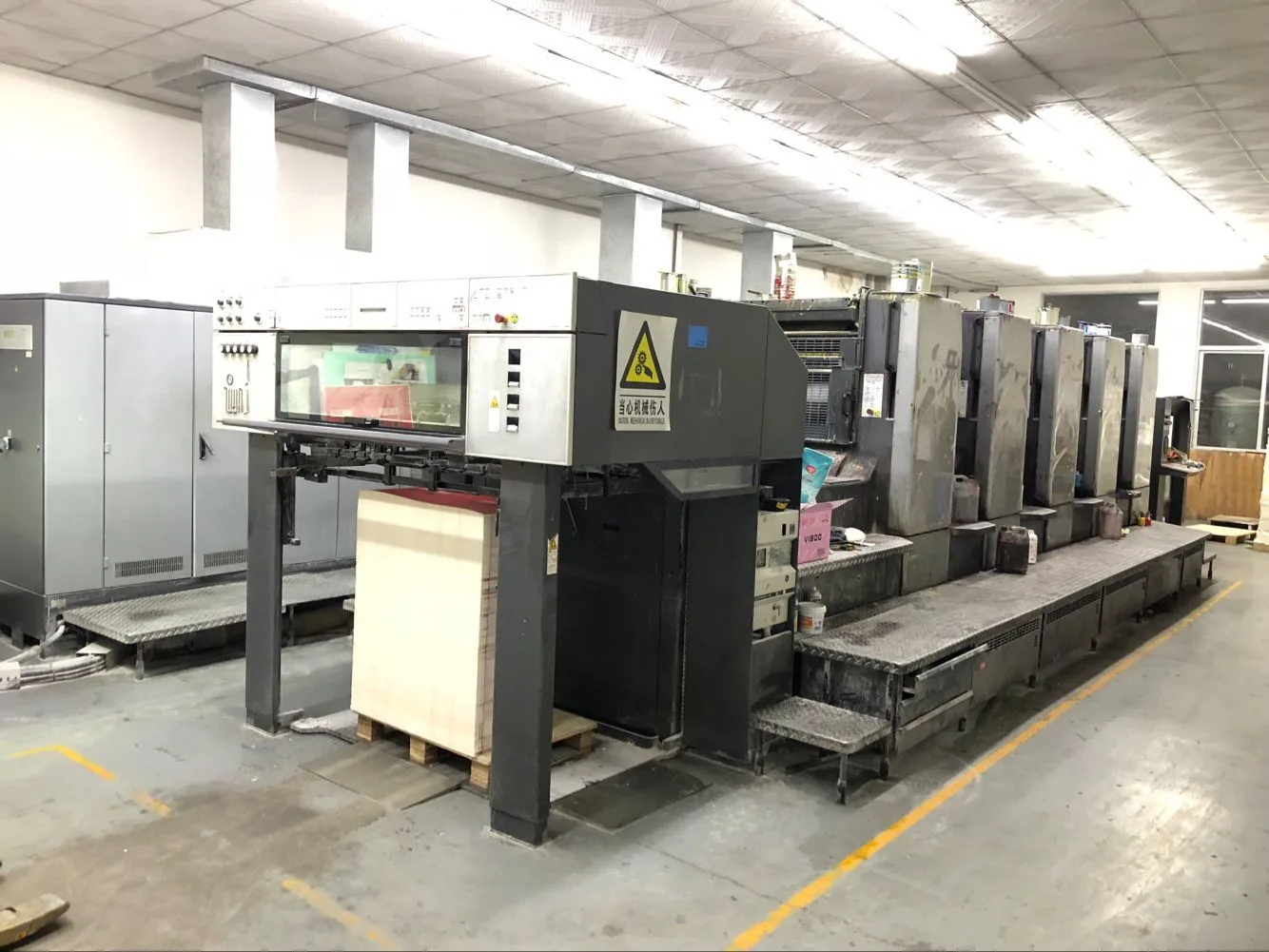
Good cosmetic packaging depends on a controlled handoff from the product brief to the finished box. Finer Pack coordinates structure, inserts, artwork, samples, print and production so fit, readable information and presentation requirements stay connected to the approved specification.
01 · Decision guide
Translate the packaging problem into a specification
Our structural and dieline support helps turn product movement, excess bulk or gift-presentation concerns into decisions the team can review.
- Define filled product size, weight, quantity by SKU, packing method and delivery route.
- Develop the box and insert together, including removal access and opening sequence.
- Identify readable-copy areas, barcode space and any requested seal placement.
- Confirm the sample route, material and artwork version before final production release.
02 · Decision guide
Carry appearance standards into production
Material, color, finish and construction checks follow the approved references for the order.
- Confirm board, wrap, artwork revision and agreed color reference.
- Review print and finish registration, especially around small text, folds and edges.
- Check scoring, glue, wrap alignment, closure and insert seating.
- Agree surface and corner appearance criteria for presentation-led packs.
03 · Decision guide
Plan finished-box protection before shipment
The delivery plan matters to the condition of the packaging as well as the product it holds.
- Confirm flat or assembled supply, packing count and outer-carton layout.
- Specify surface protection for finished rigid boxes and decorated panels where needed.
- Agree inspection scope, findings and route-relevant packed checks before shipment.
- Retain the approved specification and production reference for reorders.
04 · Decision guide
Compare options around your launch budget
Construction and process choices are reviewed against the intended quantity rather than a universal MOQ or lead-time promise.
- Provide planned quantities for each size and artwork version.
- Compare shared board choices and selective finishes where suitable.
- Confirm tooling, inserts, sample charges, packing and delivery basis in the quotation.
- Agree production timing after approvals and material requirements are known.
Buyer FAQ
Questions to settle before sampling.
When is a production dieline created?
It is created after the product dimensions and structure direction are confirmed, then checked through the agreed structural sample route before final artwork release.
How is cosmetic packaging color approved?
Critical color is reviewed against the agreed reference on the intended substrate and finish. A screen value alone is not treated as a complete production standard.
What determines production timing and MOQ?
Construction, material availability, tooling, print and finish complexity, quantity, packing and approval status all affect the plan. Exact timing and MOQ are confirmed after the specification is reviewed.
Does an FSC material option mean the whole box is recyclable?
No. FSC material documentation and local recyclability answer different questions. Inserts, coatings, windows, magnets and local collection systems affect disposal. Confirm the selected components and any product-level claim for the order.
How do you support a consistent reorder?
Retain the approved physical sample, dieline, artwork version, board and finish specification. Changes to materials or construction should trigger review of the affected fit, appearance or performance requirements.